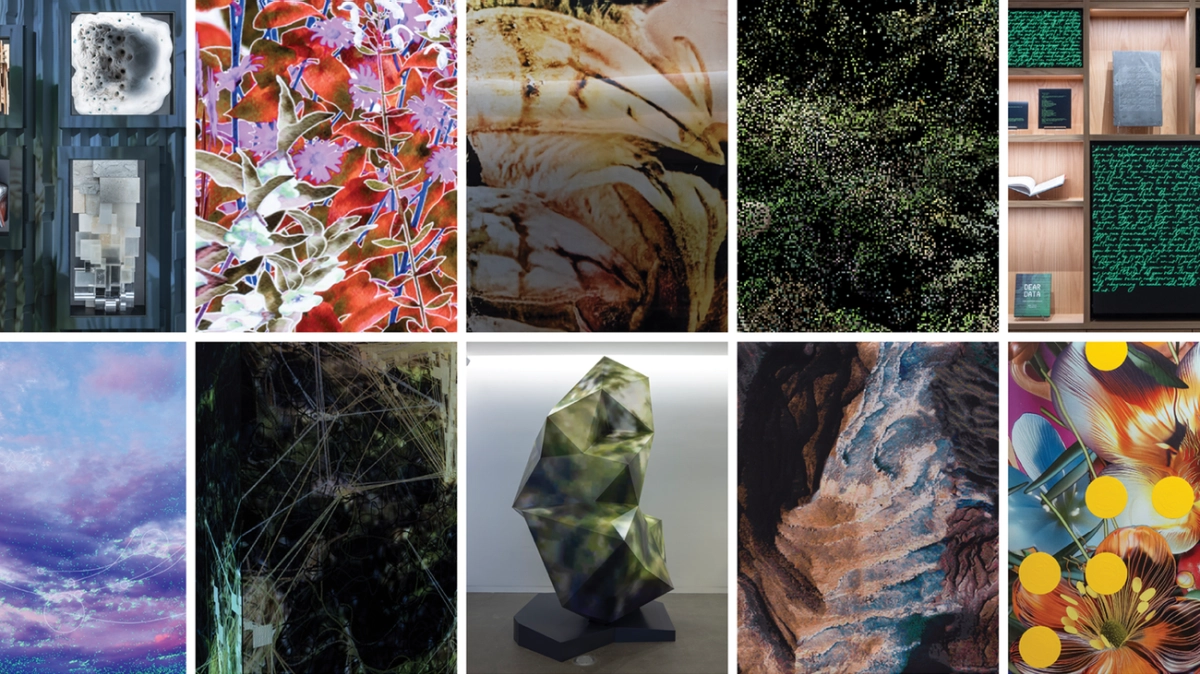
Google has unveiled "Gradient Canvas," an exhibition celebrating over a decade of Google AI art collaborations. This initiative showcases 13 new artworks, emphasizing AI's role as a bridge between human perception, machine vision, and the natural world. It marks a significant milestone in the ongoing dialogue between technology and creativity.
The exhibition, available both physically and online via Google Arts & Culture, features multidisciplinary artists who leveraged Google's AI tools. Their works are deeply inspired by the Bay Area's local ecology, exploring how different forms of intelligence interpret our surroundings. This curated collection underscores Google's sustained investment in the intersection of art and artificial intelligence.
This isn't a new venture for Google. According to the announcement, the company's commitment to supporting artists dates back to early efforts like the Google Arts & Culture Artist-in-Residence programs. The genesis of this movement can be traced to DeepDream ten years ago, which ignited public fascination and paved the way for initiatives like Artists + Machine Intelligence (AMI), fostering a unique partnership between creators and AI. This long-term engagement positions Google as a key facilitator in the evolving AI art landscape.
Beyond the Canvas: AI's Broader Influence
The "Gradient Canvas" project extends beyond mere aesthetic display; it's a strategic move to demonstrate AI's practical application in expanding human creativity. By commissioning established artists, Google validates AI as a legitimate creative partner, not just a tool for automation. This approach encourages a deeper understanding of AI's potential to augment, rather than replace, human artistic expression, setting a precedent for future industry collaborations.
Looking ahead, Google's stated focus is on expanding this creative canvas by supporting the next generation of visionary voices and democratizing access to cutting-edge AI tools. This commitment suggests a future where advanced AI capabilities become more readily available to a broader spectrum of creators, potentially lowering the barrier to entry for complex artistic endeavors. The implication for users is a richer, more diverse digital art ecosystem, driven by accessible, powerful AI.
Gradient Canvas serves as a powerful statement on the maturity of Google AI art collaborations. It highlights a decade of evolution from experimental algorithms to sophisticated co-creative partners. This exhibition not only celebrates past achievements but also charts a clear course for AI's integral role in shaping the future of art and human-machine interaction. The industry will watch closely to see how this accessibility push impacts the broader creative economy.