

Google is aggressively integrating its generative AI capabilities directly into the core ChromeOS education stack. The rollout of Gemini in Chrome to all Chromebook Plus devices signals a major shift, moving AI from an optional tool to a fundamental utility embedded in the browser experience. This move is designed to streamline productivity for both educators and students, focusing heavily on content digestion and administrative efficiency.
The primary utility of Gemini in Chrome centers on instant insights and summarization. According to the announcement, the AI can quickly parse long articles, dense PDFs, or educational videos, extracting key concepts to accelerate lesson preparation or student research. This side-panel integration is critical; by allowing users to access powerful summarization and Google app integrations (like Calendar scheduling) without leaving the active page, Google minimizes context switching, a notorious productivity killer in digital learning environments.
Crucially, this advanced functionality is restricted to Chromebook Plus devices. This isn't just a software update; it’s a strategic hardware push. Google is using high-value AI features like Gemini, Text Capture, and Quick Insert Image Generation as incentives for schools to upgrade their fleets. The Chromebook Plus designation ensures the necessary processing power is available, but it also guarantees continued revenue streams in the highly competitive K-12 device market.
The AI Interface as the Default Learning Tool
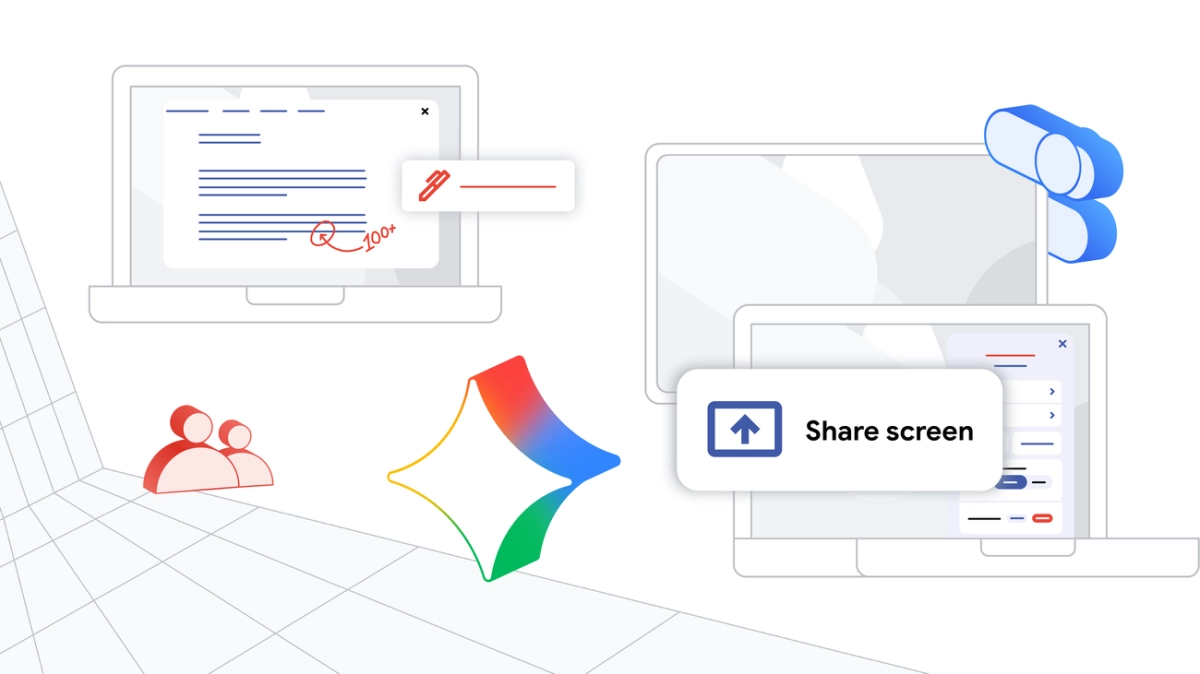
Beyond Gemini, the simultaneous update to Class tools reinforces Google's ecosystem dominance. Features like teacher-led screen sharing, screen annotations, and the new display app create a tightly managed, interactive learning environment. These tools, available with Google Workspace for Education Plus, ensure that the entire classroom workflow, from content delivery to real-time monitoring, remains within the ChromeOS perimeter.
When combined with Gemini's ability to instantly generate lesson materials or summarize complex texts, the ChromeOS platform becomes a comprehensive, end-to-end management and content creation system. This deep integration makes migration to competing platforms significantly harder, effectively locking in institutions that rely on the efficiency gains provided by the unified AI and management features. The introduction of new Chromebox OPS devices further extends this ecosystem control to existing classroom displays, ensuring every screen is a ChromeOS endpoint.