

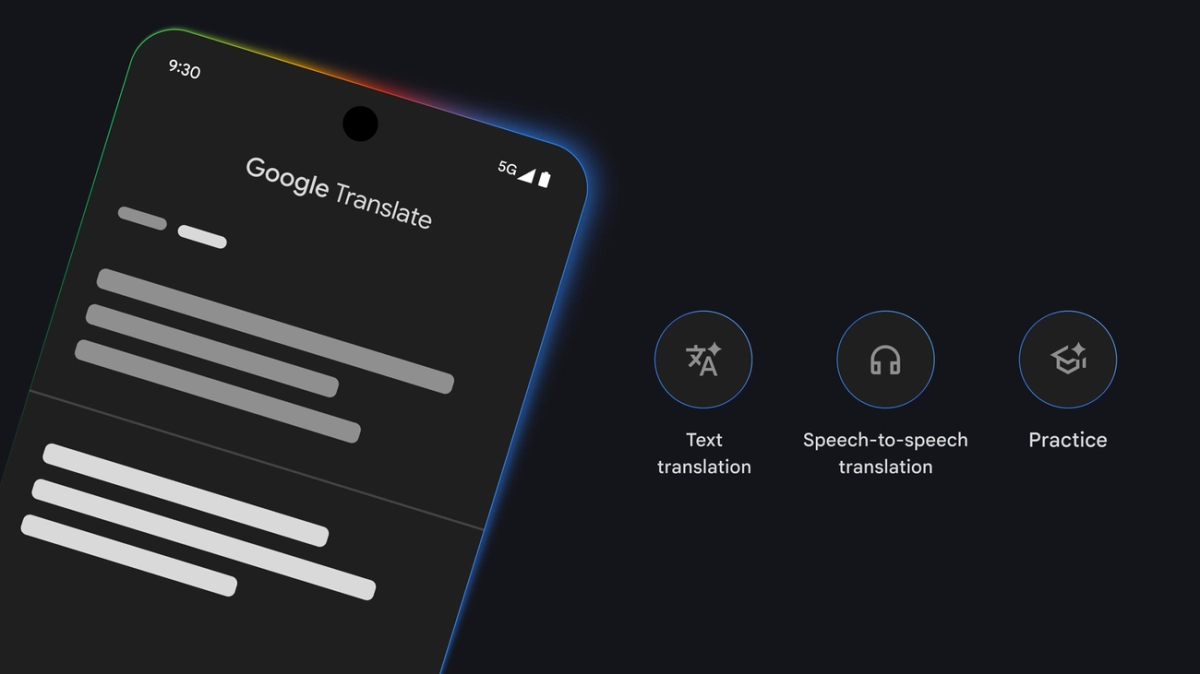
Google Translate is undergoing a significant transformation, integrating Gemini's advanced AI capabilities to deliver more natural and accurate translations. This update moves beyond literal word-for-word conversions, aiming for a deeper understanding of context and cultural nuance. The enhancements span text translation, real-time speech-to-speech, and expanded language learning tools.
The core improvement in Gemini Google Translate lies in its ability to parse complex phrases like idioms and local expressions. According to the announcement, translating "stealing my thunder" now yields a contextually appropriate equivalent, rather than a nonsensical literal interpretation. This shift represents a critical leap for natural language processing, making translated content genuinely more comprehensible and less stilted. The initial rollout targets the U.S. and India, covering English and nearly 20 other languages across mobile apps and web.
Real-Time Understanding with Gemini
Beyond text, Gemini Google Translate introduces a beta for live speech-to-speech translation directly to headphones. This feature promises to preserve the speaker's tone, emphasis, and cadence, fostering more natural conversations. It aims to bridge communication gaps in real-time, whether for international travel, academic lectures, or foreign media consumption. This capability, initially available on Android in select regions, signifies a major step towards seamless cross-lingual interaction.
The strategic implications are substantial. For users, it means a more reliable and less frustrating experience, particularly in dynamic, real-world scenarios. For Google, it reinforces its leadership in AI-driven language services, leveraging Gemini's power to differentiate its offerings from competitors. This isn't just about translating words; it's about translating meaning and intent, a long-standing challenge in AI.
Furthermore, Google is expanding its language learning features within the Translate app. Users will now receive improved feedback on speaking practice and can track their learning streaks, promoting consistency. This integration of learning tools alongside enhanced translation capabilities positions Gemini Google Translate as a more comprehensive language companion. It moves beyond a simple utility to a platform for genuine linguistic skill development.