

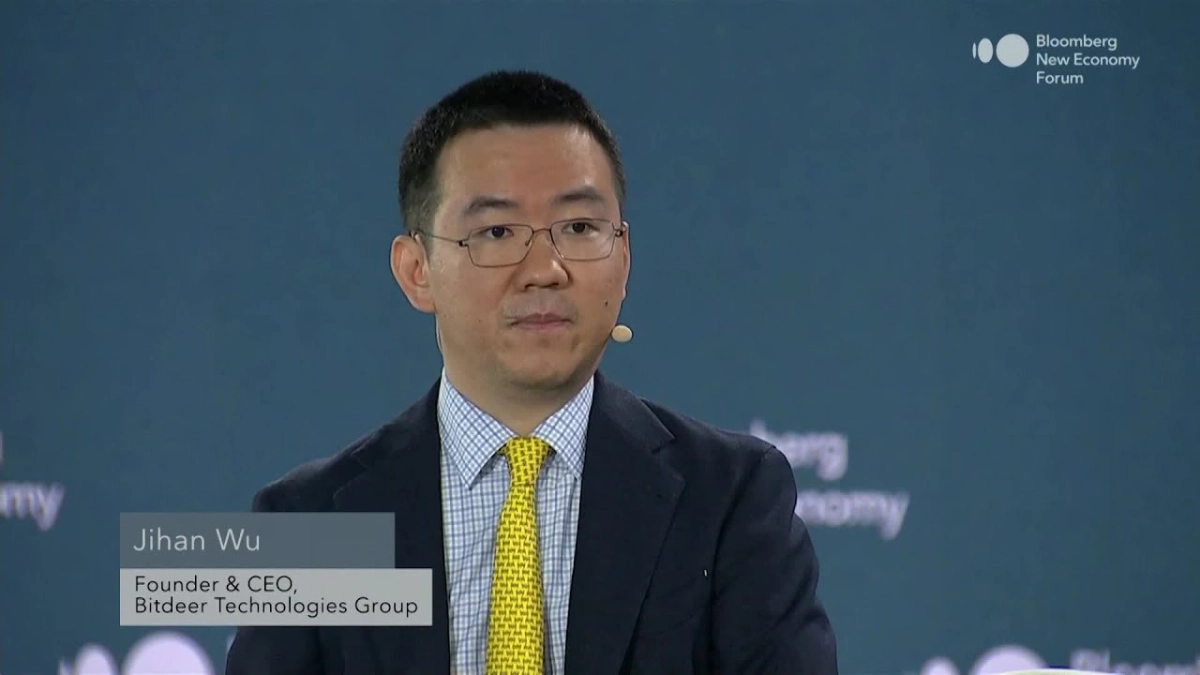
The intersection of Bitcoin mining and artificial intelligence might seem unlikely, yet it represents a potent new frontier for infrastructure development. Jihan Wu, Founder and CEO of Bitdeer Technologies Group, offered a compelling vision of this convergence during his interview with Bloomberg Television Anchor Shery Ahn at the Bloomberg New Economy Forum in Singapore. Wu articulated how Bitdeer, a leader in Bitcoin mining, is uniquely positioned to transition its vast power infrastructure and operational expertise to meet the burgeoning demands of AI megacenters, highlighting a strategic pivot that could redefine the compute landscape.
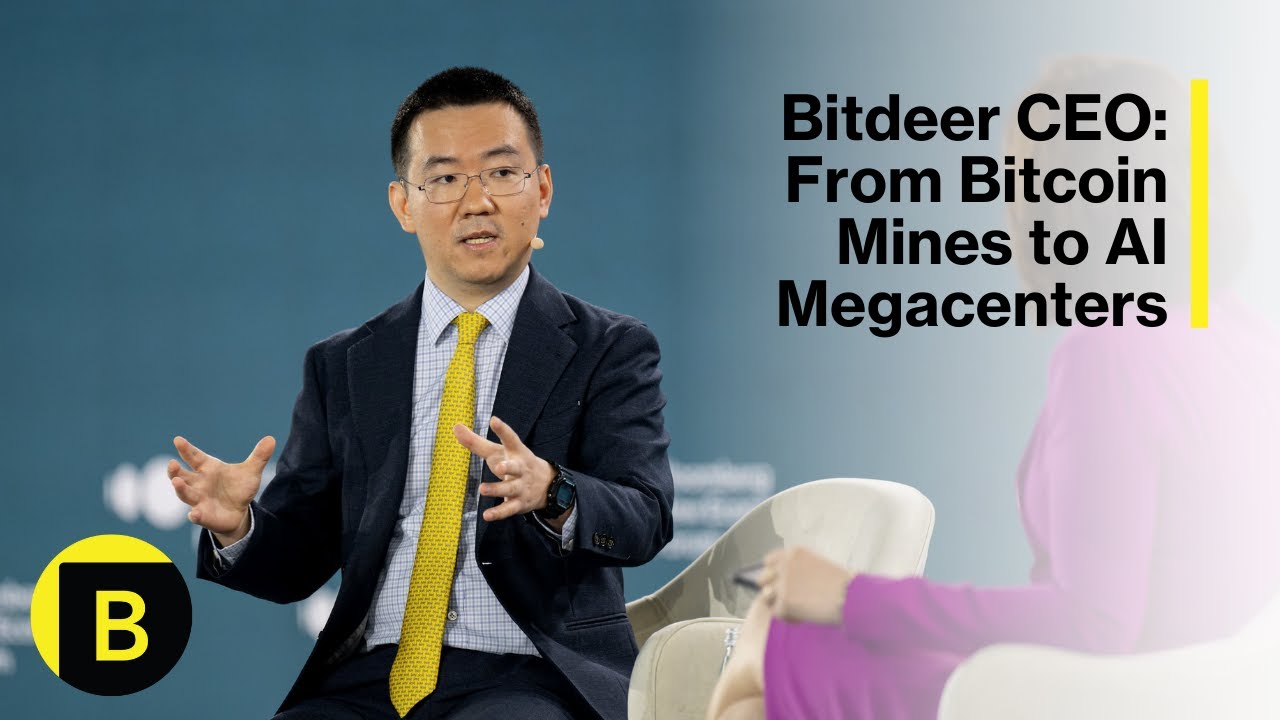
Bitdeer’s core advantage lies in its existing, substantial energy infrastructure. Wu revealed the company commands "three gigawatts of power lands worldwide, and two gigawatts sits inside the United States," much of which is "immediately, very quickly available" for conversion. This capacity isn't just raw power; it represents fully developed sites with crucial components like transmission lines, substations, and a trained labor force, all prerequisites for AI data centers that typically require years to establish from scratch. The ability to repurpose this infrastructure offers an unparalleled speed-to-market, collapsing multi-year development cycles into a fraction of the time.
The sheer efficiency of this repurposing is a game-changer. Wu estimates that converting their existing facilities into AI data centers could take as little as one year for the fastest sites, with longer conversions spanning two to three years. This accelerated timeline directly addresses one of the most significant bottlenecks in AI development: the rapid deployment of massive compute resources. New data center construction is a capital-intensive, time-consuming endeavor, often hampered by regulatory hurdles, land acquisition, and grid connection delays. Bitdeer bypasses many of these obstacles by leveraging an established footprint.
Crucially, Bitdeer isn't abandoning its roots in Bitcoin mining. This dual-pronged strategy serves as a sophisticated financial hedge. While the demand for AI compute is skyrocketing, the long-term stability and profitability of such massive investments remain subject to market dynamics and potential "AI bubbles." By continuing Bitcoin mining, Bitdeer maintains a flexible, revenue-generating load that can utilize its power capacity until AI demand fully materializes. Wu explicitly stated, "Possibly that we will mine Bitcoin first before we signing up deals and convert into AIDC again." This approach provides a steady cash flow, mitigating the risks associated with the heavy capital expenditures required for AI infrastructure.
The strategic decision to maintain Bitcoin mining operations also reflects a deep understanding of market cycles and capital allocation. Wu acknowledges the inherent uncertainties in the AI demand curve, noting, "the demand for AI data centers make got us an kind of uncertainty, especially in timing wise." In this environment, the ability to generate revenue from an existing, optimized operation like Bitcoin mining, even amidst market fluctuations, offers a buffer. It allows for a more measured and opportunistic expansion into the AI sector, ensuring that investments are made when demand is robust and long-term contracts are secured.