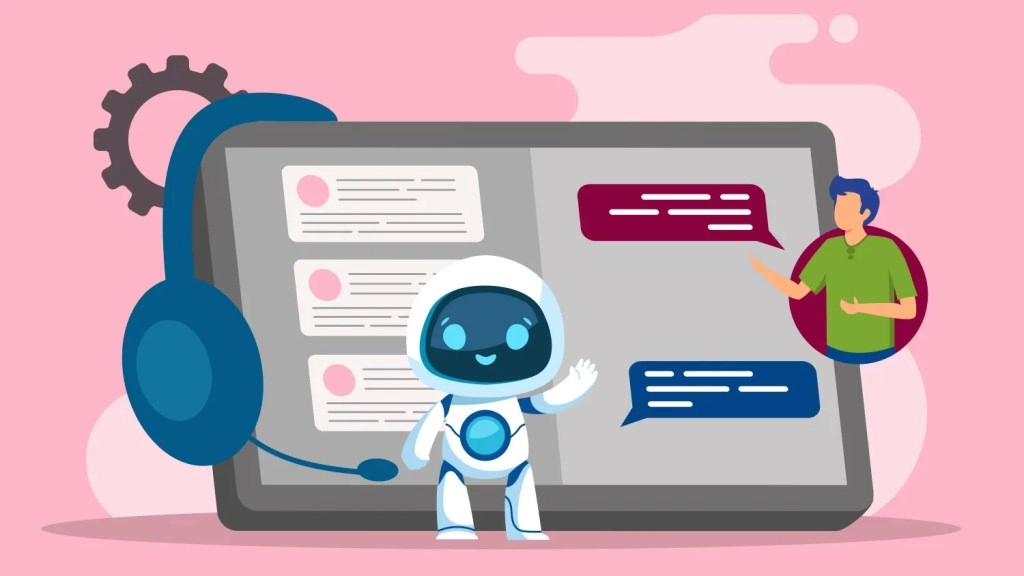
The era of frustrating, rules-based chatbots is rapidly ending. The next generation of customer service technology centers on Autonomous AI agents capable of understanding context, formulating action plans, and resolving issues independently across multiple channels. This shift fundamentally redefines the role of automation, transforming AI from a simple deflection tool into an active member of the service team.
The critical distinction for these new systems, exemplified by tools like Salesforce’s Agentforce, is their departure from preprogrammed scenarios. Utilizing advanced Natural Language Processing (NLP), these agents parse intent and context, allowing them to engage in conversational, appropriate responses. This capability enables them to handle complex, non-linear customer inquiries that previously required human intervention, significantly increasing the scope of issues solvable via automation. Unlike older systems that required rigid scripting, these Autonomous AI agents can be taught using natural language instructions, making deployment and iteration far simpler for service organizations.
The true power of Autonomous AI agents lies in their pervasive deployment across the entire channel ecosystem. While self-service portals remain crucial, 61% of customers prefer them for simple issues, AI is now integrating seamlessly into live chat and, most notably, voice channels. This represents a technological leap past legacy Interactive Voice Response (IVR) systems, which historically frustrated users; the new AI can understand the inquiry and initiate resolution steps directly, rather than forcing customers through rigid menus. For human agents, the AI acts as a virtual assistant, surfacing relevant knowledge articles or summarizing calls, boosting productivity across all communication methods.
The Necessity of Unified Data for Agent Intelligence
Autonomy is meaningless without accurate, personalized data grounding the model. To function effectively, these agents must connect service channels with both historical customer data and unique business knowledge, often residing in disparate systems. This unified knowledge base ensures that the AI generates accurate, personalized responses, whether it is guiding a customer through a lost credit card process or drafting a case wrap-up summary for a human representative. Without this data unification, the AI remains a generalized tool, incapable of delivering the personalized experience customers now expect.
The primary operational impact of deploying Autonomous AI agents is economic efficiency and strategic resource allocation. By deflecting repetitive tasks, which the source notes Agentforce is designed to do, human service representatives are freed to concentrate on high-value, complex, or sensitive interactions. This not only lowers the cost-to-serve, especially by shifting expensive phone calls to cheaper channels like chat, but also ensures that the AI continuously improves its ability to help customers by learning from every interaction. This self-improvement loop is the core advantage over static, traditional automation.