


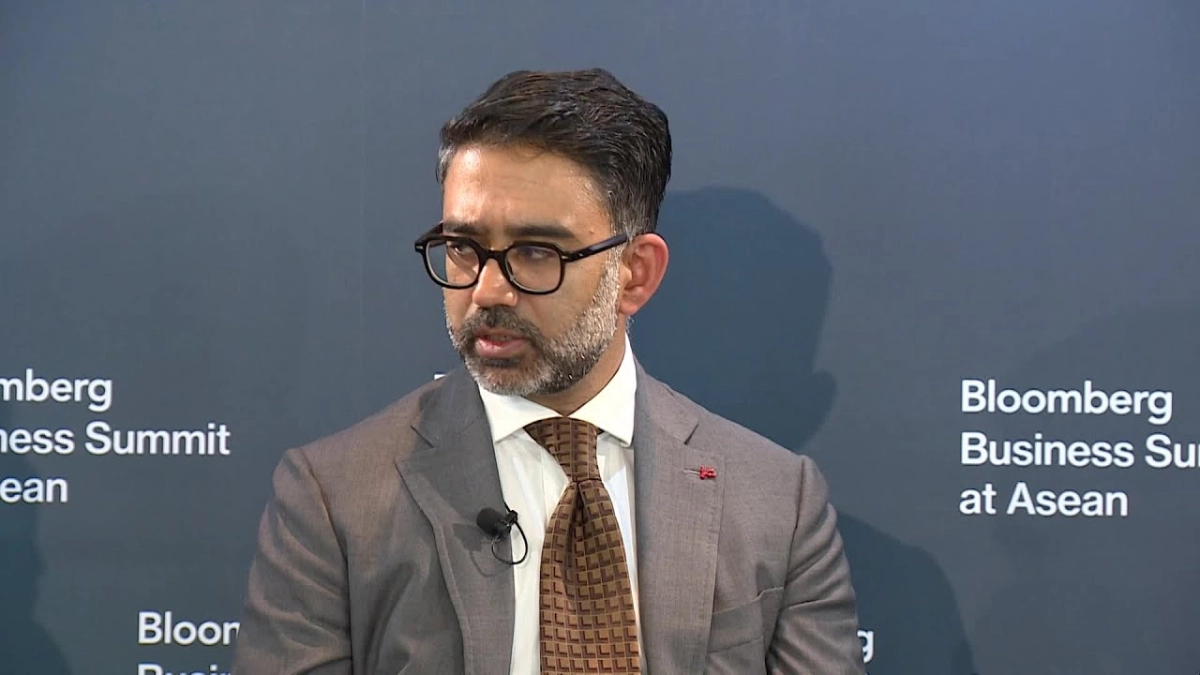
The insatiable demand for Artificial Intelligence is reshaping the global technological landscape, and Asia's data centers find themselves at the epicenter of this transformative shift. At the Bloomberg Business Summit at ASEAN in Kuala Lumpur, Bloomberg's Ram Anand moderated a panel featuring Prashant Murthy, Managing Director, Capital & Strategy, AirTrunk; Rebecca Ng, Deputy Group Chief Financial Officer, ST Telemedia Global Data Centres; and Mahathir Said, CEO, TM Nxera. Their discussion illuminated how data center operators in the region are strategically expanding capacity and upgrading infrastructure to meet the surging requirements of AI and cloud services within ASEAN's rapidly evolving digital economy.
The underlying forces driving this data center expansion are multifaceted. Prashant Murthy of AirTrunk articulated that the growth is "both" a result of ASEAN’s historical role as a trade hub and its inherent demographic advantages. The region, encompassing a third of the world's population, boasts a "significant underlying demand" for digital services, fueled by a young and dynamic populace. This massive, digitally native demographic naturally propels high adoption rates for AI and other digital technologies, creating a robust local demand that complements ASEAN’s strategic position as a global connectivity nexus with numerous submarine cable landing stations.
Beyond sheer numbers, strategic market selection is paramount for data center operators. The panelists highlighted a shift in investment criteria, moving beyond traditional connectivity to focus on fundamental infrastructure. Prashant Murthy succinctly captured this, stating that the new priority is "where is power? Where is electricity? Where is the grid the strongest, where is it the most stable, where is it the most abundant?" This emphasis on reliable, scalable power infrastructure, coupled with supportive government policies and regulatory clarity, is steering investment towards locations like Johor in Malaysia, which has rapidly emerged as a key data center hub due to its advantageous position relative to Singapore and its abundant resources.
However, this rapid growth is not without its complexities and challenges, particularly concerning sustainability. Data centers are often criticized for being energy-intensive, a perception Rebecca Ng of ST Telemedia Global Data Centres believes is "oversimplified." Industry leaders are actively working to position themselves as catalysts for a low-carbon transition. AirTrunk, for instance, reports that 72% of the electricity powering its data centers is green in nature, alongside a proactive commitment to achieve net-zero emissions by 2030. Similarly, ST Telemedia Global Data Centres links all its financing to green or sustainability metrics, demonstrating a self-regulatory push towards environmental responsibility.
Related Reading
- How labor shortages may delay data center plans
- Aon CFO Edmund Reese on AI's Infrastructure Boom and Catastrophe Bonds
- AI's Insatiable Energy Appetite Fuels Uranium Miners
Another critical challenge facing the industry is the availability of a skilled workforce and a resilient supply chain. While data centers may not directly create a vast number of jobs post-construction, the panelists underscored the importance of the broader ecosystem that develops around these facilities. Efforts are underway to foster local manufacturing of data center components within the region, which not only accelerates equipment supply but also generates indirect employment. Furthermore, addressing the talent gap is crucial, with initiatives like sponsoring students in data center foundation modules and collaborating with educational institutions to integrate relevant curricula into undergraduate and postgraduate programs.
Ultimately, the leaders stressed the imperative of an integrated, collaborative approach. Mahathir Said of TM Nxera encapsulated this ethos, urging the industry to "run the business responsibly and find a win-win situation for all parties. Winners can't take all." This holistic perspective acknowledges the intricate web of stakeholders—from regulators and local authorities to contractors, customers, and the communities in which data centers operate. Navigating these challenges successfully requires a blend of capital, robust supply chains, and a highly skilled workforce, all within a stable and supportive political climate.

