

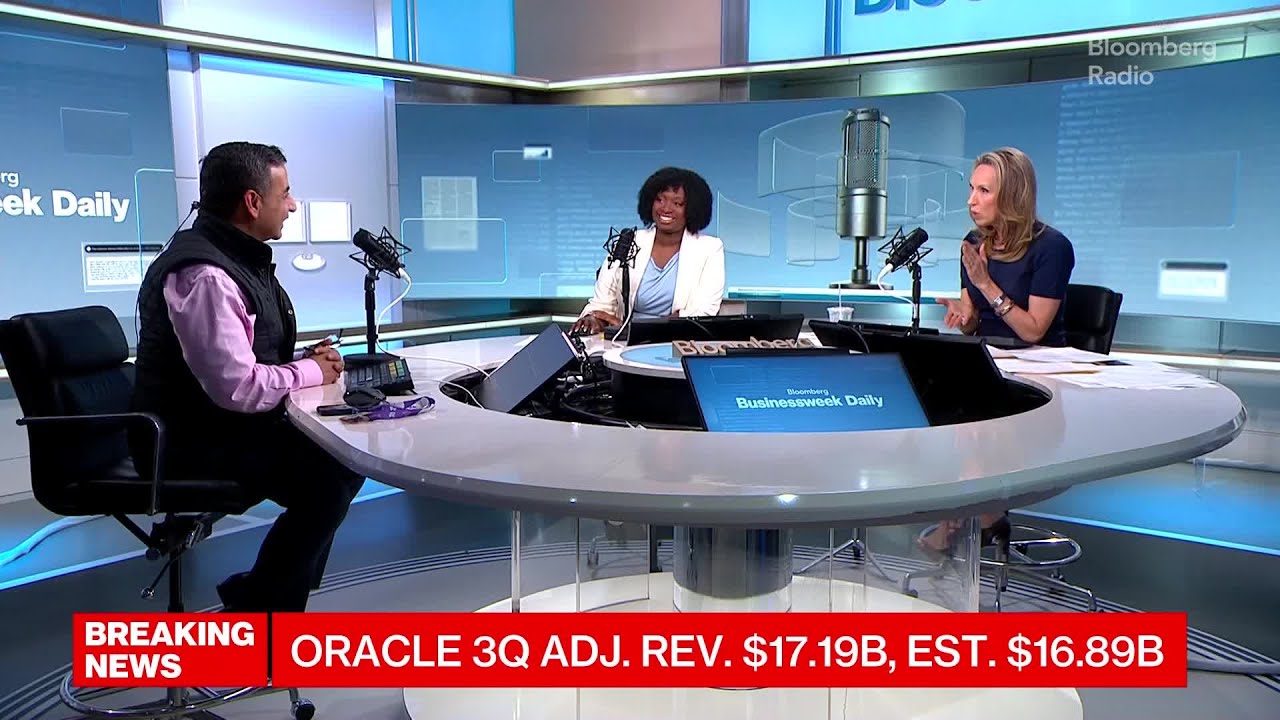
Anurag Rana, Senior Technology Analyst at Bloomberg Intelligence, joined a discussion on Bloomberg's 'Businessweek Daily' to dissect Oracle's burgeoning strategy in the AI cloud infrastructure market. The conversation highlighted Oracle's aggressive expansion efforts, significant capital commitments, and its competitive positioning against established cloud giants.
Anurag Rana's Expertise
Anurag Rana is a respected voice in technology analysis, with a focus on enterprise technology, cloud computing, and the semiconductor industry. His insights are valued for their depth and clarity, providing a critical perspective on the strategies and financial health of major tech players. His role at Bloomberg Intelligence involves deep dives into market trends, financial performance, and competitive landscapes, making his commentary particularly relevant for understanding the strategic moves of companies like Oracle in the rapidly evolving AI sector.
Oracle's AI Infrastructure Push
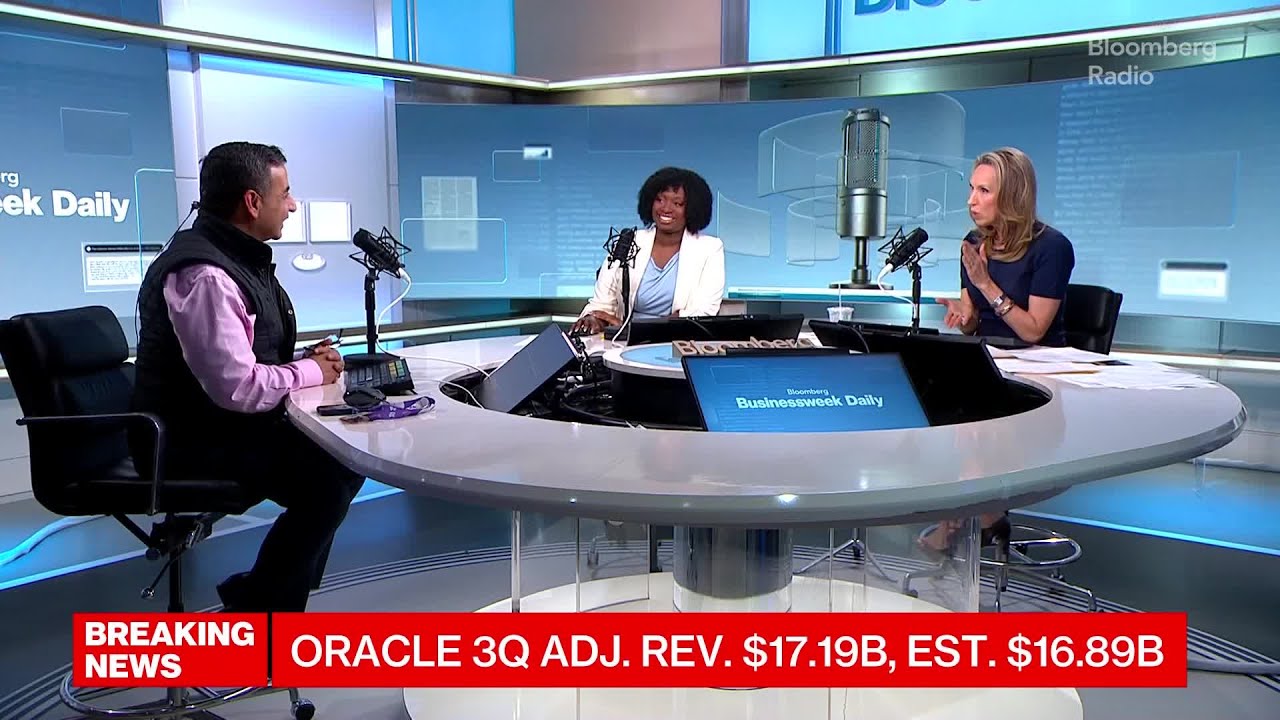
The core of the discussion revolved around Oracle's substantial investments in AI cloud infrastructure. Rana pointed out that the company's financial results for the third quarter showed revenue exceeding expectations, but the more significant development was the company's forward-looking capital expenditure plans. Oracle has signaled a significant ramp-up in its capital spending, projecting fiscal year 2026 capital expenditures to be between $45 billion and $50 billion. This substantial investment is primarily aimed at building out the infrastructure necessary to support the burgeoning demand for AI services.
The full discussion can be found on Bloomberg Podcast's YouTube channel.
Rana emphasized that this investment is not merely about capacity expansion but is a strategic move to capture a significant share of the AI market. A key piece of this strategy, as revealed during the discussion, is Oracle's major deal with OpenAI, the creator of ChatGPT. This partnership involves Oracle providing its cloud infrastructure to support OpenAI's operations, a move that underscores the enterprise's commitment to becoming a foundational provider for leading AI companies.
Competitive Landscape and Oracle's Position
The conversation also touched upon the highly competitive nature of the AI cloud market. Rana noted that Oracle is directly challenging established players like Amazon Web Services (AWS), Microsoft Azure, and Google Cloud. Historically, Oracle was not considered a primary player in this infrastructure race, but its recent strategic shifts, including significant data center expansions and the OpenAI deal, indicate a determined effort to disrupt the status quo.
Rana highlighted that while companies like Microsoft and Google have long-standing relationships and infrastructure built for AI, Oracle is making substantial efforts to catch up. The scale of Oracle's projected capital expenditures, reaching tens of billions of dollars, signals a serious commitment to competing for AI workloads. This includes not only the physical infrastructure but also the necessary software and services to support these advanced computing needs.
Financial Implications and Investor Scrutiny
The significant capital outlay naturally brings scrutiny from investors. Rana suggested that while the revenue growth was positive, the market will be closely watching how Oracle's massive capital expenditures translate into long-term profitability and return on investment. The analyst pointed out that AI revenue, while high-growth, often comes with lower initial margins compared to more mature cloud services. This means that for Oracle to maintain or improve its overall profitability, it will need to efficiently manage its operational costs and ensure its AI services offer a compelling value proposition to customers.
Rana also noted the importance of the contracts Oracle is securing. The partnerships, such as the one with OpenAI, are crucial for validating Oracle's infrastructure capabilities and driving adoption. However, the long-term sustainability of these high growth rates and the profitability of these deals will be key metrics for investors to track. The question of how long the current high demand for AI infrastructure will persist and how Oracle will manage its capital spending in the face of potential market shifts remains a critical area of focus.
The AI Talent and Infrastructure Paradox
The discussion also touched upon the broader ecosystem. Rana mentioned that while many companies are experiencing layoffs, the demand for AI talent and infrastructure remains robust. This creates a paradox where some sectors of the tech industry are contracting, while others, particularly those focused on AI, are expanding rapidly. Oracle's massive capital expenditure and hiring in AI-related fields reflect this broader industry trend.
Rana concluded by emphasizing that Oracle's aggressive stance in the AI cloud market is a significant strategic pivot. The company is leveraging its existing enterprise customer base and its database expertise to position itself as a viable alternative for AI workloads. The success of this strategy will hinge on its ability to execute on its ambitious infrastructure plans, secure further significant contracts, and manage the financial complexities of scaling in a highly competitive and rapidly evolving market.


