

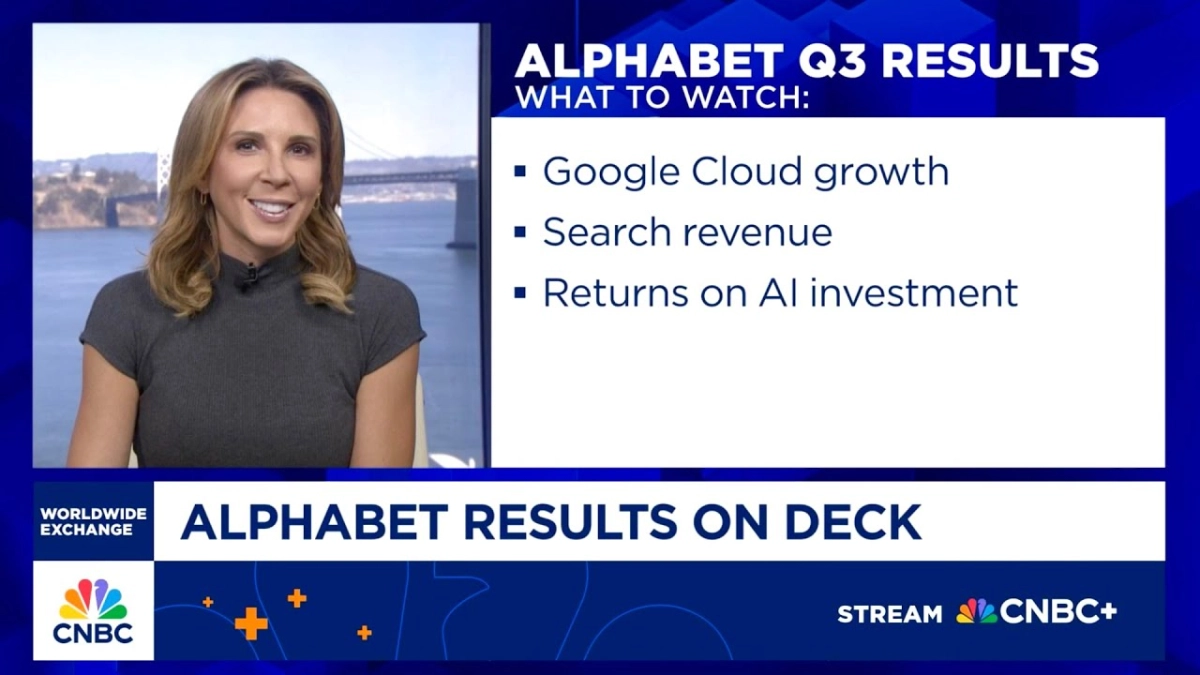
The burgeoning influence of artificial intelligence presents a dual narrative for tech giants, particularly Alphabet, as it navigates both profound opportunities and existential threats to its established revenue streams. As CNBC’s MacKenzie Sigalos reported on "Worldwide Exchange," ahead of Alphabet's recent earnings call, the company finds itself at a critical juncture, balancing the burgeoning momentum of Google Cloud with the evolving durability of its cornerstone search business amidst the rapid AI shift. Sigalos framed the company’s current state succinctly: "The company is writing two very different AI storylines." One narrative speaks to growth and competitive advantage, while the other grapples with potential disruption and the imperative for reinvention.
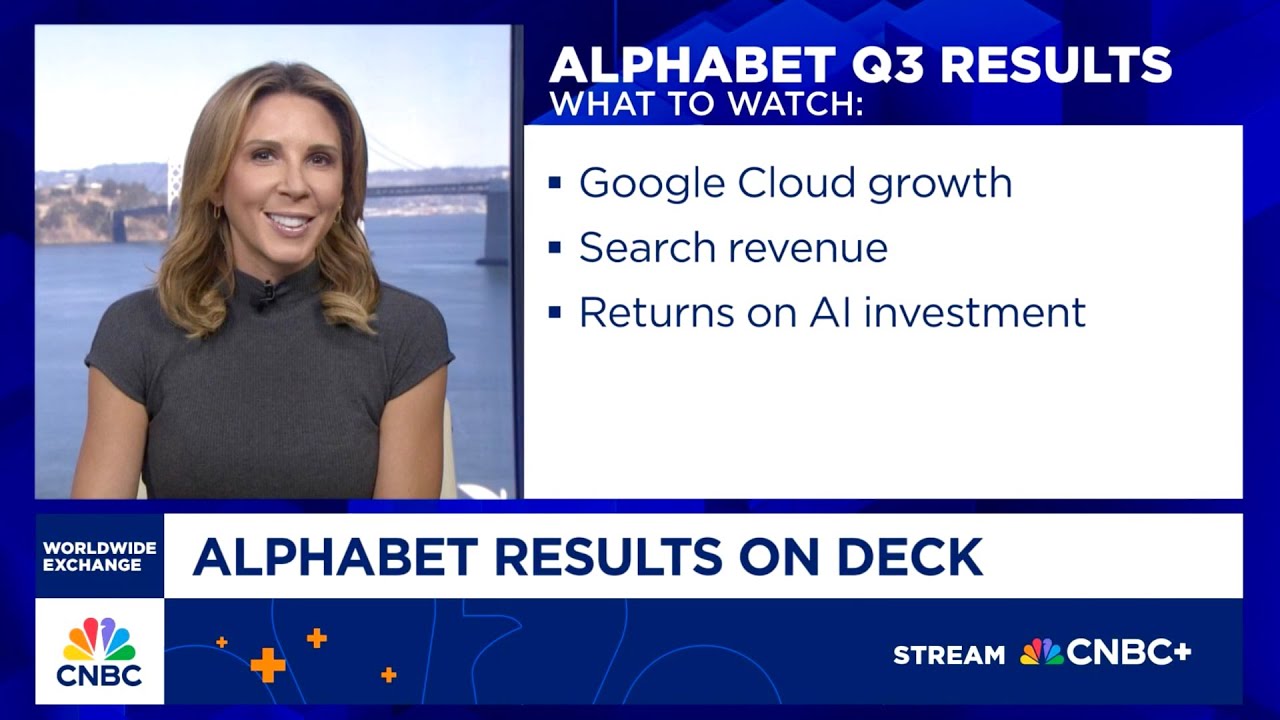
Google Cloud is unequivocally a bright spot in Alphabet's portfolio, demonstrating robust expansion in an increasingly competitive landscape. Sigalos highlighted Google’s success in "gaining momentum" in the cloud sector, particularly as rival Amazon Web Services experiences a deceleration. This is evidenced by Google Cloud securing a significant $10 billion contract with Meta and actively migrating Anthropic’s workloads away from Amazon. Such strategic wins underscore Google Cloud's enhanced capabilities and growing enterprise appeal, positioning it as a potent force against established market leaders. Analysts at Truist project over 30% growth for Google Cloud this quarter, attributing this to strong enterprise demand and a healthy sales pipeline. Bank of America further reinforced this positive outlook, noting that recent deals are expected to bolster backlog and reiterating a "buy" rating on Alphabet stock, citing Cloud as "an increasingly valuable contributor to the stock." This segment’s performance is not merely about market share; it’s about Google demonstrating its prowess in providing the foundational infrastructure and advanced AI services that modern enterprises demand.
The larger challenge, however, looms over Google's foundational search business. Its durability in an AI-first world is now under intense scrutiny.
Search, the engine that built Google's empire, now faces an unprecedented test from generative AI. Sigalos articulated this tension directly, stating, "The bigger test here is search, and whether AI is starting to erode the very business that made Google dominant." While Truist anticipates a slight deceleration in global search revenue growth to 11% year-over-year, the underlying concern is more profound than a mere dip in advertising spend. The advent of sophisticated AI models like OpenAI's ChatGPT and Perplexity AI introduces new paradigms for information retrieval, threatening to disintermediate Google's traditional ad-supported search model. As users increasingly turn to AI chatbots for summarized answers and direct information, the volume of casual browsing queries that once drove traffic and ad impressions could diminish, impacting Google's long-term revenue projections.
Yet, a critical distinction emerges within the search paradigm: not all queries are created equal. Sigalos pointed out that "queries that lead to purchases, the one that advertisers care most about, still remains Google's stronghold." This insight is vital for understanding Google's strategic resilience. While AI might capture informational queries, the intent-driven, transactional searches, those directly leading to e-commerce or service bookings, remain largely within Google's domain. Advertisers are willing to pay a premium for these high-value clicks, and Google’s established ad ecosystem, with its sophisticated targeting and vast advertiser base, offers a robust framework that AI-native search alternatives have yet to replicate effectively. Google's advantage here lies in its deep integration with the commercial web, its ability to surface relevant product listings, and its trusted brand as a gateway to online commerce.