

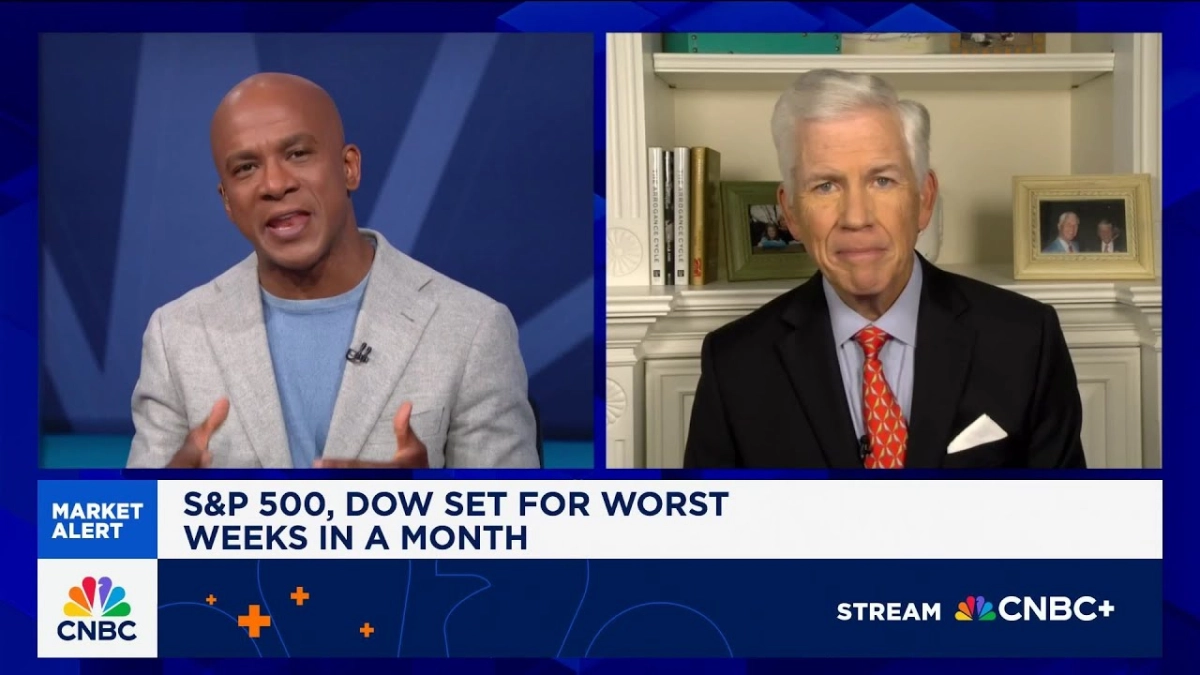
"We're in the second innings of this," declared Stephanie Link of Hightower Advisors on CNBC's Closing Bell Overtime, referring to the burgeoning artificial intelligence trade. Her commentary, delivered amidst a flurry of recent earnings reports, offered a nuanced perspective on the market's current fixation with AI, particularly concerning the substantial capital expenditures undertaken by major technology players. Link spoke with Frank Holland about the day's market action and the latest slate of earnings, emphasizing that while investor sentiment remains hypersensitive to spending, the underlying demand and long-term strategic investments in AI are undeniable.
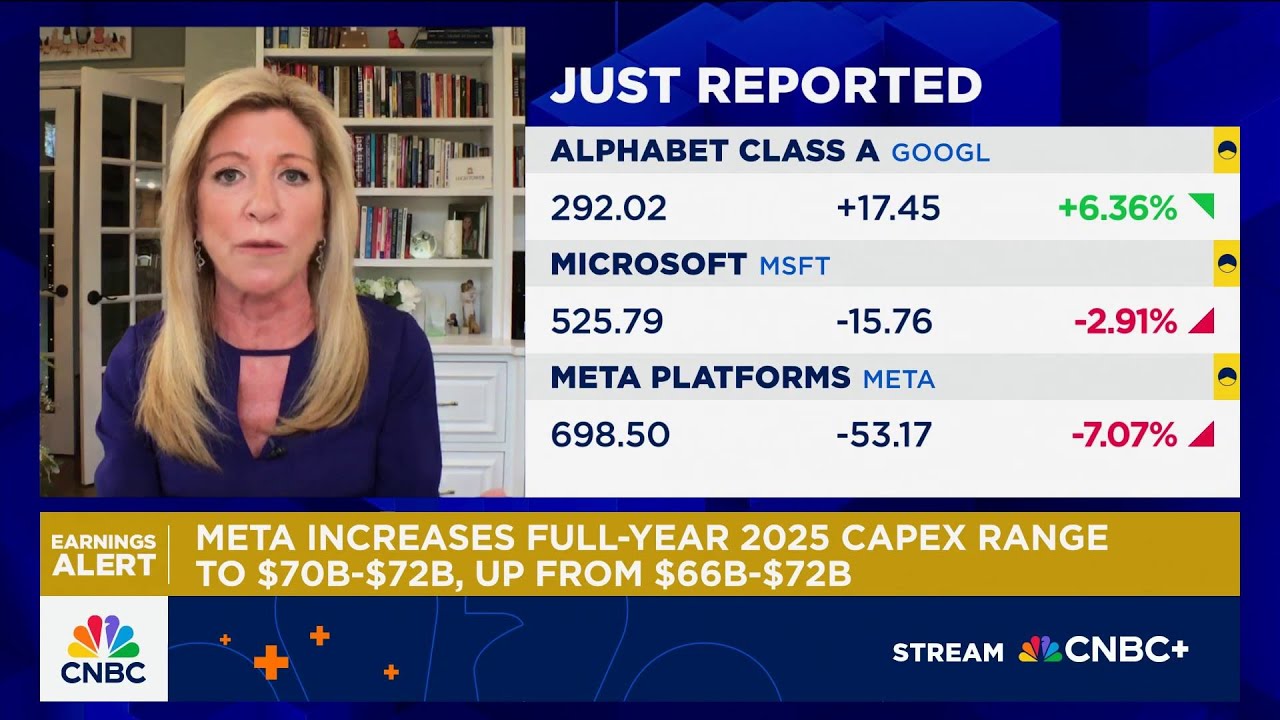
The market's reaction to Meta Platforms' latest earnings underscored this dichotomy. Despite reporting strong growth and beating revenue and EPS estimates, Meta’s stock took a hit, plummeting over 6%. The primary culprit was the company’s revised capital expenditure outlook, projecting a significant increase for 2025 and an even "notably larger" spend in 2026. This immediate negative response highlights a persistent tension: investors desire growth and innovation, but they also crave operating leverage and efficient capital deployment.
Link acknowledged the market's historical sensitivity to Meta's spending, stating, "people have always been very sensitive to this excessive spend." She articulated the common investor desire: "We just want to see operating leverage at this company." However, she quickly contextualized Meta's strategy, noting that the company is "building out data centers up the wazoo" and "hiring all kinds of talent for AI." These are not frivolous expenditures but foundational investments aimed at securing long-term growth and competitive advantage in the AI race.
Crucially, Link pointed out that Meta is already demonstrating tangible returns from its AI investments. She highlighted a 14% increase in ad impressions and a 10% rise in pricing, asserting, "That shows that they're monetizing AI." This monetization, she argues, distinguishes Meta from many other companies investing in AI. They are not merely spending speculatively but are actively integrating AI to enhance their core business and generate revenue.
The broader AI narrative, according to Link, extends far beyond the immediate concerns of big tech's CapEx. She posits that the AI trade is still in its nascent stages, a "second inning" with immense potential. This means opportunities are not confined to the Magnificent Seven, but permeate a vast ecosystem of industries. She encouraged investors to look "downstream in terms of technology," citing semiconductor giants like Nvidia and Broadcom, and even less-discussed players such as Teradyne, which saw a 20% surge on the day.