


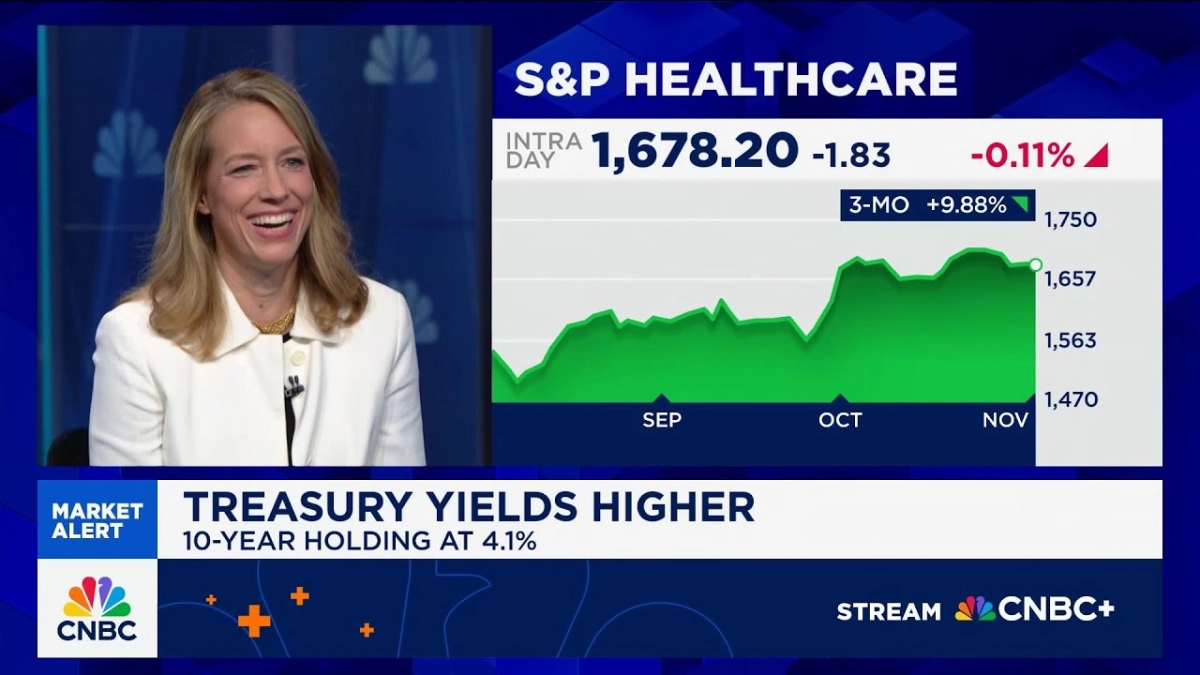
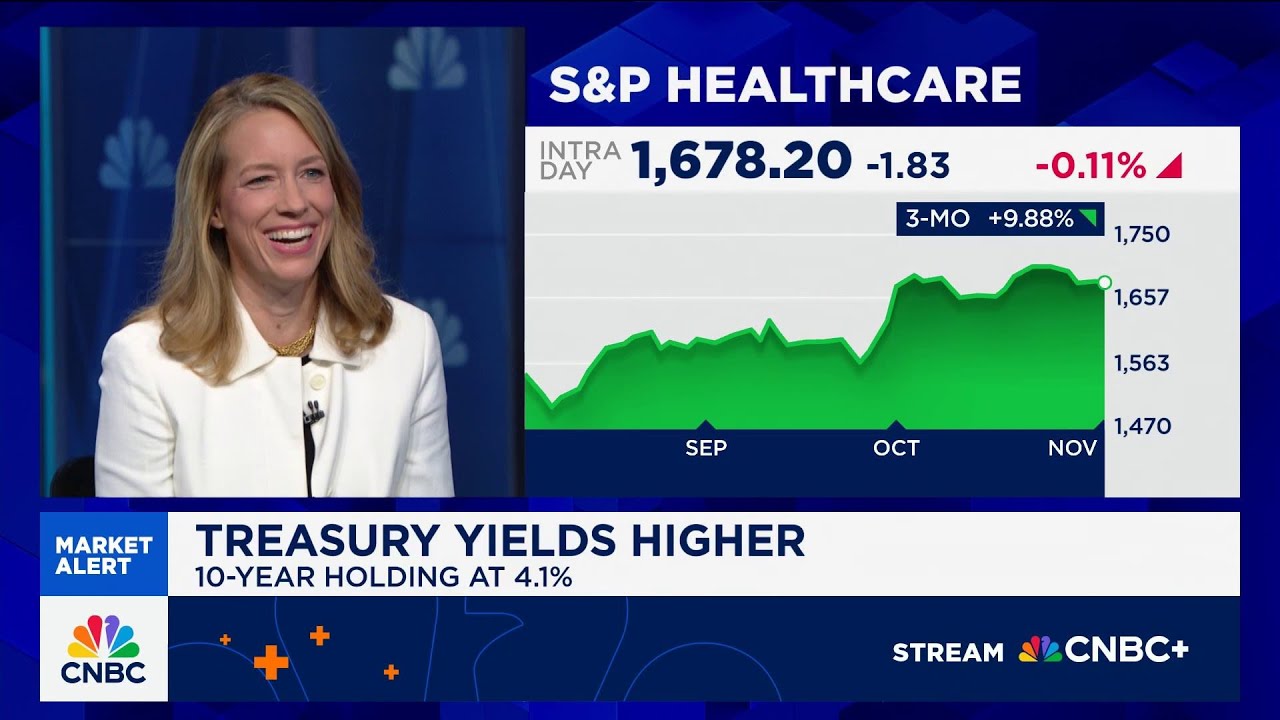
The undeniable surge in artificial intelligence has profoundly reshaped market dynamics, with its trajectory now inextricably linked to the fortunes of a singular entity: OpenAI. This pivotal insight emerged from a recent discussion on CNBC’s "The Exchange," where Ulrike Hoffmann-Burchardi, UBS Global Head of Equities, offered sharp analysis on the state of the AI trade, the economic landscape, and key investment opportunities. Hoffmann-Burchardi spoke with the interviewer about the escalating influence of AI, the imperative for monetization, and the broader implications for both technology and traditional sectors.
The AI trade, which has significantly buoyed the S&P 500's recent performance, is increasingly reliant on OpenAI's sustained success. Hoffmann-Burchardi articulated this dependency, stating, "The AI trade that has underpinned the incredible run in the S&P is now more and more tethered to the success of OpenAI." This observation underscores a critical concentration risk within the burgeoning AI sector. While the broader market benefits from the enthusiasm surrounding AI, the sheer scale of investment required to fuel this innovation—trillions committed to AI infrastructure over the coming years—demands a clear path to profitability. The question is not merely about technological advancement, but about financial viability.
OpenAI, despite not being publicly traded, has already achieved a monumental feat: capturing consumer attention on a massive scale, boasting 800 million weekly average users. This user base represents a formidable asset, a fertile ground for monetization. However, the costs associated with developing and maintaining cutting-edge AI models are staggering, necessitating substantial revenue generation. Hoffmann-Burchardi emphasized this economic reality, posing the crucial question for investors: "The key question now for the market will be how and how quickly will OpenAI monetize... to be able to pay for those infrastructure expenses." This financial imperative means that the revenue streams generated by OpenAI, through subscriptions or API usage, are not merely incremental but will likely shift spending away from other digital platforms, creating a competitive redistribution of consumer dollars.
The market's perception of AI is undergoing a significant transformation. Initially characterized by a widespread belief that "everyone is going to win" and driven by the sheer "promise of AI," the narrative is now evolving. Investors are demanding tangible results and proven business models. This transition marks a shift towards a "second stage of AI," as Hoffmann-Burchardi described, "where we're going to ask what is the proof that works and who can actually win." This signals a more discerning investment environment, one where hype alone will no longer suffice. Companies must demonstrate clear pathways to profitability and sustainable growth beyond mere technological prowess.
In an era of high valuations, particularly within the tech sector, tighter risk management becomes paramount. Hoffmann-Burchardi cautioned against complacency, noting that "markets don't correct just because of high valuations, they correct because fundamentals disappoint." This highlights the importance of scrutinizing underlying business health and operational efficiency, rather than solely relying on market sentiment. The focus for investors should be on companies with robust fundamentals that can deliver on the promises of AI, not just those riding the wave of speculative enthusiasm.
Related Reading
- OpenAI’s $38 Billion AWS Deal Reshapes AI Cloud Landscape
- OpenAI Forges $38B AWS Alliance, Signaling Multi-Cloud Future
- Amazon's AI Vision Captivates Investors Amidst Hyperscaler Spending Spree
Beyond the immediate tech giants, specific sectors stand to benefit significantly from AI integration. Healthcare, in particular, presents a compelling opportunity. This sector has demonstrated resilience, with a strong showing in recent earnings seasons. "Healthcare has actually been one of the sectors that has done best this earnings season... Nine out of ten healthcare companies in the US beat expectations," Hoffmann-Burchardi observed. Areas like next-gen immunology, obesity treatments, and oncology are showing particular strength. The potential for AI to revolutionize drug discovery and clinical trials offers a powerful catalyst. The cost of bringing a new drug to market has soared dramatically over the past decade, increasing more than tenfold. If AI can substantially reduce these costs, from initial discovery to clinical trials, it could fundamentally alter the operating margins and profitability for pharmaceutical companies. This application of AI moves beyond consumer platforms to impact core industries, unlocking significant value.
The broader economic backdrop, including potential government shutdowns, adds another layer of complexity. The Congressional Budget Office estimates that a shutdown costs the economy $250 million daily in unrecoverable losses, creating mounting pressure for political resolution. While not directly tied to AI, such macroeconomic uncertainties can influence investor confidence and capital allocation, underscoring the need for a comprehensive understanding of market forces. The current environment demands a strategic and fundamentally-driven approach to investment.

