

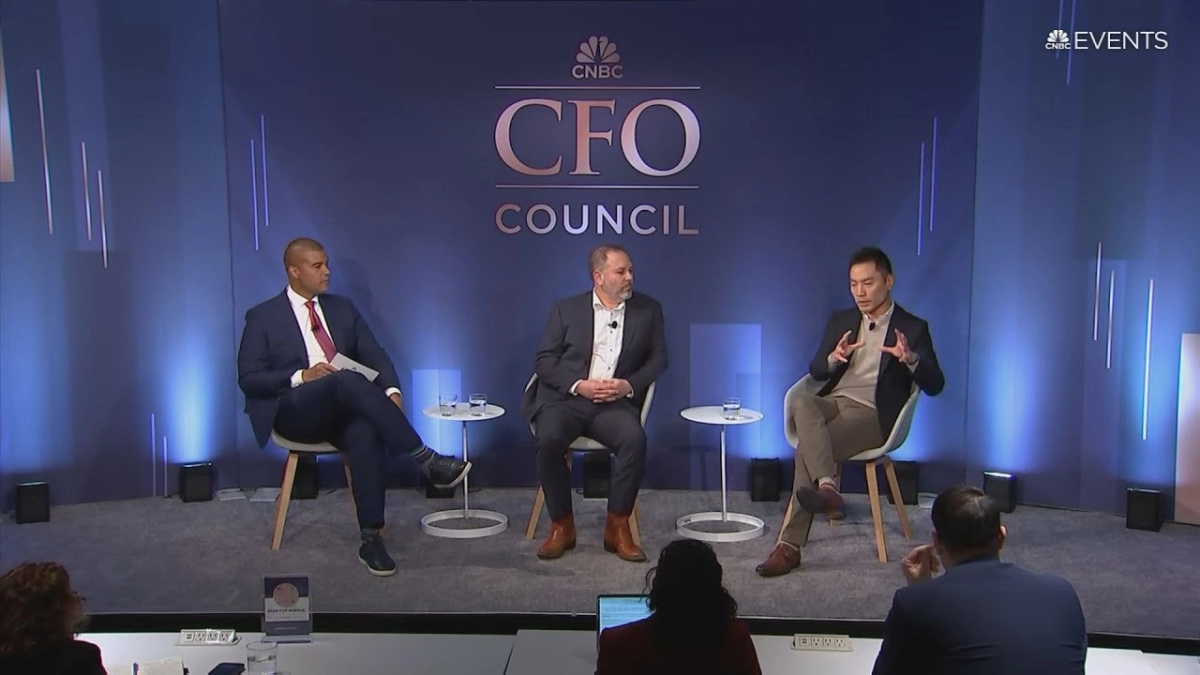
"70% of the skills required for your job today will change by 2030." This stark pronouncement, delivered by Frank Wu, VP, Head of Global Talent Analytics at LinkedIn, underscores the profound and accelerating impact of artificial intelligence on the global workforce. The future of work is not merely evolving; it is being fundamentally redefined, demanding an urgent re-evaluation of talent strategies and organizational structures across all sectors, particularly within the strategic realm of finance.
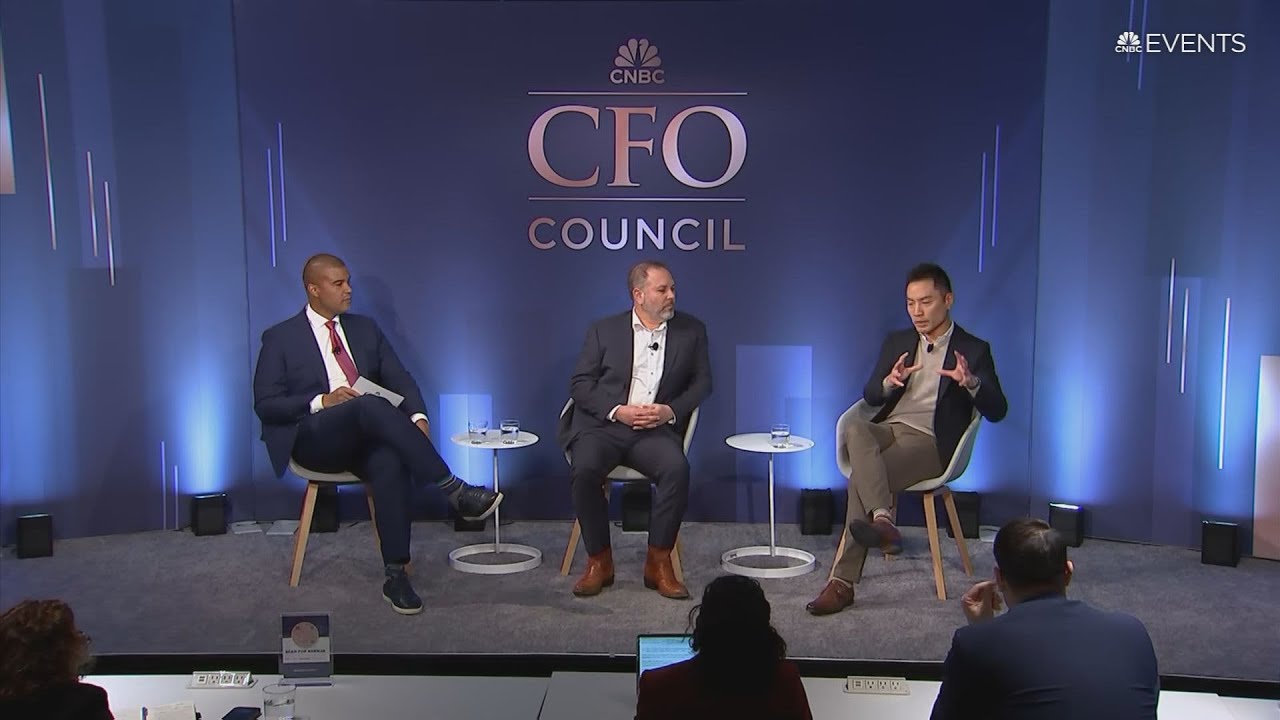
This critical discussion unfolded during a recent CNBC CFO Council panel, where Frank Wu, alongside a CFO panelist, engaged in a candid exchange moderated by a CNBC host. The central theme explored the strategic implications of AI for Chief Financial Officers, dissecting the challenges and opportunities presented by this transformative technology. The conversation moved beyond theoretical constructs, delving into the practicalities of change management, skill development, and resource allocation in an AI-driven economy.
Wu's insights, drawn from LinkedIn’s vast dataset of 1.3 billion members and 70 million companies, painted a vivid picture of this rapid transition. He highlighted that the increase in AI skills appearing on job postings is already surging at 70% year-over-year. This is not a gradual shift but a swift, seismic change. The pace at which jobs are changing, he noted, "is absolutely... moving much faster than we've seen historically." This necessitates a proactive approach to skill development, recognizing that individual job roles will look dramatically different by the decade's end.
The core insight here is that AI is not solely about job displacement but about job transformation and augmentation. Instead of fearing AI as a replacement for human labor, the focus must shift to how humans, equipped with AI tools, can achieve unprecedented levels of productivity. This symbiosis, Wu posited, will ultimately "create more productivity, more GDP," a development he views as unequivocally positive for humanity. The challenge, then, lies in preparing the existing workforce for this augmented future.
From the perspective of a finance leader, the approach to AI adoption is necessarily more calibrated. The CFO panelist articulated a strategy focused on controlled implementation rather than a broad, unfocused embrace of every new AI tool. He acknowledged that the finance organization itself is unlikely to be the primary innovator in core AI technology. "I personally don't believe that we're going to figure out how to crack the nut on how AI is going to change the finance organization," he stated, adding, "I'm going to outsource that problem to a lot of other places." This pragmatic stance reveals a strategic outsourcing model, where generalized AI solutions are procured externally, allowing internal teams to concentrate on higher-value applications.