

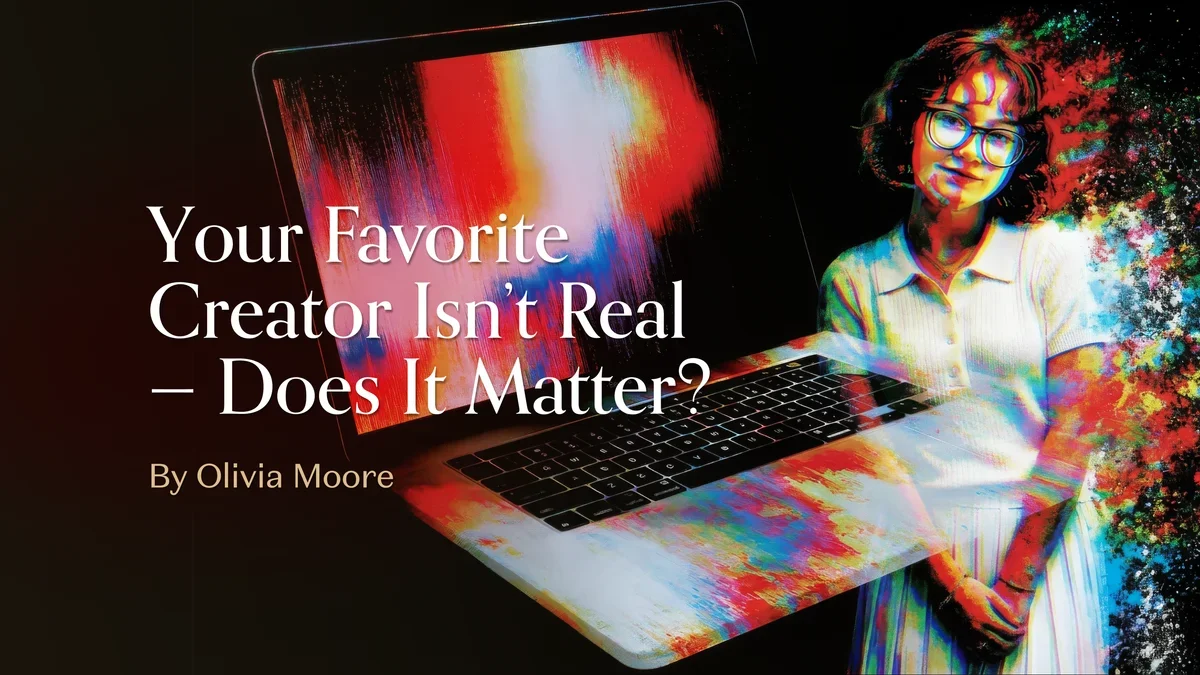
AI Influencer Fakes Sorority Rush

An AI sorority influencer experiment on TikTok revealed audience skepticism and engagement with artificial personas, raising questions about authenticity.

Split image showing a real sorority student and an AI-generated sorority influencer.
a16z Blog
Visual TL;DR
AI Sorority InfluencerCore
fictional 19-year-old Janie, generated entirely by AI, captivated TikTok
From the article 6 mentionsThe experiment suggests that while the next AI influencer might be impossible to spot, the real story will be the human behind the screen.
Experiment GoalContext
explore audience interaction with AI-generated content, known or concealed
From the article 6 mentionsThe line between human and AI creators continues to blur, with a recent experiment showcasing just how quickly audiences can detect and engage with artificial personas.
Janie's CreationCore
From the article 9 mentionsJanie's creation involved generating an image of a sorority girl using ChatGPT, then refining her appearance to be distinctive, short, frizzy hair and large glasses, to maximize engagement.
Rapid EngagementEffect
amassed 1,300 followers and tens of thousands of views per video
From the article 2 mentionsStartupHub.ai data shows TikTok, the platform where this experiment unfolded, holds a strong score of 81/100, reflecting its massive user engagement and influence.
Media AttentionOutcome
Daily Mail crowned her Alabama's 'most popular sorority star'
From the article 2 mentionsEight of Janie's twenty videos were eventually tagged as "Contains AI-generated media," with no discernible impact on performance or viewer comments.
Audience SkepticismDriver
revealed audience skepticism and engagement with artificial personas
From the article 7 mentionsThe experiment, detailed on the a16z Blog, aimed to explore audience interaction with AI-generated content, both when its nature is known and when it's concealed.
Authenticity QuestionsOutcome
raising questions about authenticity and the blurring human-AI line
From the articleThe core question remains: as AI becomes indistinguishable from human creation, does the origin matter less than the human intent and creativity behind it?
Contents(4)

The line between human and AI creators continues to blur, with a recent experiment showcasing just how quickly audiences can detect and engage with artificial personas. During the University of Alabama's intense sorority rush week, a fictional 19-year-old named Janie, generated entirely by AI, captivated TikTok. This AI sorority star, born from a single ChatGPT image and guided by AI-generated scripts and movements, quickly amassed 1,300 followers and tens of thousands of views per video. The Daily Mail even crowned her Alabama's "most popular sorority star," demonstrating the potent allure of a well-crafted digital identity, according to the a16z Blog.

The Genesis of Janie

The experiment, detailed on the a16z Blog, aimed to explore audience interaction with AI-generated content, both when its nature is known and when it's concealed. Janie's creation involved generating an image of a sorority girl using ChatGPT, then refining her appearance to be distinctive, short, frizzy hair and large glasses, to maximize engagement. Scripts and movements were then generated using models like Minimax 3 and Grok Imagine 1.5, with ElevenLabs providing sound effects. Notably, the creator opted not to explicitly label Janie's videos as AI-generated, a violation of TikTok's terms of service, to observe how many the platform would flag autonomously. Eight of Janie's twenty videos were eventually tagged as "Contains AI-generated media," with no discernible impact on performance or viewer comments.

Audience Detection and Engagement

This wasn't the first foray into AI-driven sorority rush; a previous AI persona named Tinsley, while less sophisticated, also garnered attention. However, a year's advancement in AI video models meant Janie's output was almost too realistic. Viewers, now more attuned to AI's presence after months of spotting it in microdramas and online ads, were quick to dissect Janie's digital existence. Within her first video, which garnered nearly 100,000 views, comments were split between adoration and accusations of artificiality. By day two, a Reddit thread was meticulously cataloging discrepancies: mismatched dressers, gibberish text on clothing, and an inconsistent avatar. This heightened audience awareness illustrates a growing digital literacy around AI, with users actively seeking out AI-generated content and scrutinizing its origins. StartupHub.ai data shows TikTok, the platform where this experiment unfolded, holds a strong score of 81/100, reflecting its massive user engagement and influence.

The Narrative Arc and Disclosure

As Janie's AI origins became more apparent, the narrative shifted. The creator leaned into the AI aspect, introducing fictional "recursive" and "agentic" best friends and staging a "paid partnership" with a made-up "The Skirt Shop." This led to a warning from TikTok for an undisclosed ad, highlighting the platform's evolving moderation policies. The experiment culminated in a dramatic finale where Janie, after opening a bid, walked through a Truman Show-esque door to find the RushTok audience, only to glitch and disappear when she could no longer entertain them. This meta-commentary on parasocial internet culture resonated deeply, even after the creator revealed their own identity.

The "Does It Matter?" Question

The most striking outcome was the audience's reaction post-reveal. Instead of backlash, there was kindness and a request for the creator to return for a third year, with some viewers even asking for guidance on using AI tools. This suggests a potential shift in how audiences perceive and interact with AI content. While the source material notes that AI-generated content often carries the stigma of "slop," the experiment indicates that transparency, rather than outright concealment, might foster a healthier relationship between creators and audiences. Concealing AI usage violates an implied social contract, but showing the work allows for a different kind of appreciation, akin to valuing a reproduction print of a painting. The core question remains: as AI becomes indistinguishable from human creation, does the origin matter less than the human intent and creativity behind it? The experiment suggests that while the next AI influencer might be impossible to spot, the real story will be the human behind the screen.

© 2026 StartupHub.ai. All rights reserved. You may not republish this article in full without a license. Search engines and AI research tools may crawl and summarize for reference. Bulk reproduction or model training requires a license. See our terms.
Daniel Singer

Written by

Daniel Singer

Editor, StartupHub.ai

Daniel Singer is the editor of StartupHub.ai, a technology expert and thought leader on AI and its applications across sectors, from fintech and healthcare to developer tooling and consumer software. He writes and tests the tools covered here thoroughly and regularly, and built StartupHub.ai to give founders, operators and buyers a clearer read on what they are actually being sold.