

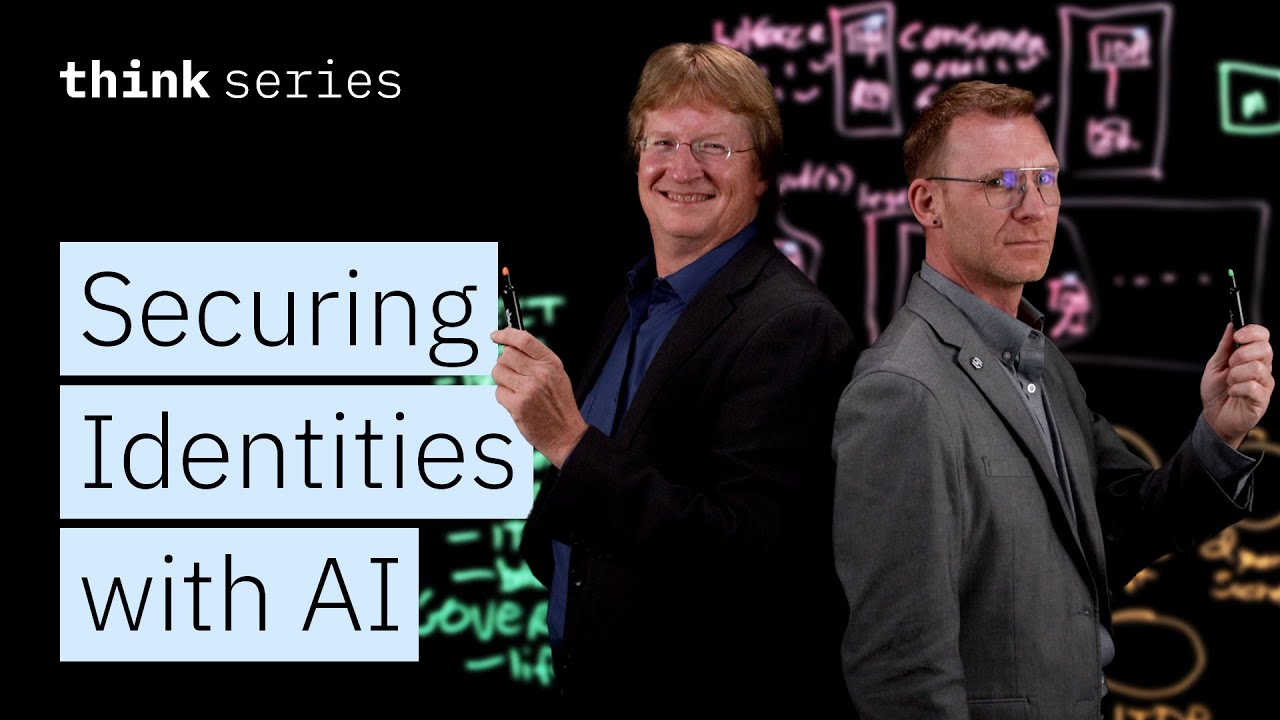
"Hackers aren't just hacking in anymore. They're logging in." This stark reality, articulated by Tyler Lynch, Field CTO at IBM, underscores the critical shift in modern cybersecurity. In a recent discussion, Lynch and Bob Kalka, IBM's Global Identity Lead, delved into the evolving landscape of identity and access management (IAM), highlighting the urgent need for a unified approach to secure both human and non-human identities. Their insights revolved around the concept of an "Identity Fabric," a strategic framework designed to integrate existing security tools with advanced AI capabilities.
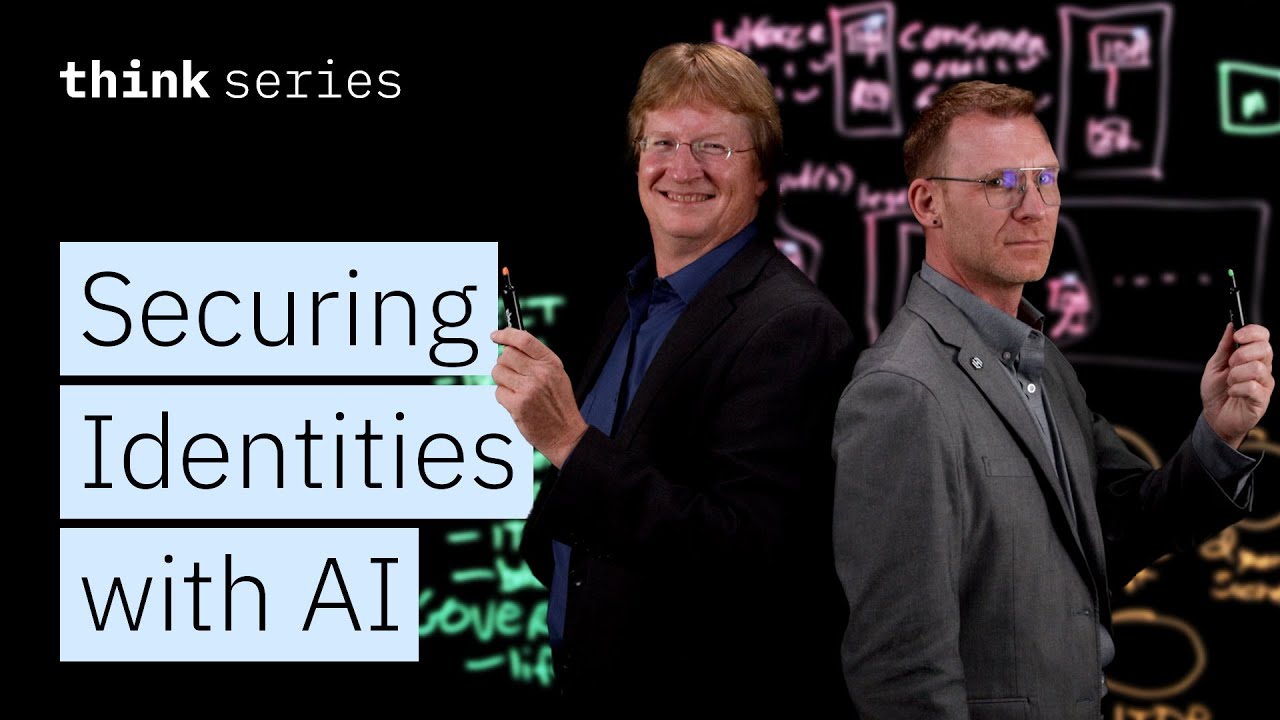
Kalka and Lynch, speaking as part of an IBM *Think Series* on Cyber Trust, illuminated a significant disconnect prevalent in many organizations. Typically, IT teams manage human identities, while DevOps and platform engineers handle non-human identities. This siloed approach creates vulnerabilities, evidenced by Kalka's revelation that "80% of all cyber attacks today involve identity somehow." The traditional solution of simply replacing old tools with new ones is deemed "not pragmatic at all."
The Identity Fabric proposes leveraging current technologies, augmented by AI, to create a seamless security mesh. One crucial aspect is Identity Observability, or Identity Security Posture Management (ISPM). This capability allows organizations to detect "sloppy implementations of human and non-human identities that could lead to an attack being more effective," as Kalka explained. This includes uncovering hidden shadow directories or hard-coded secrets within applications, which IT teams might not even know exist.
Another pivotal area is Frictionless Access, which aims to enhance user experience by eliminating traditional usernames and passwords, while simultaneously boosting security through methods like passkeys. Parallel to this is the critical need for Centralized Secrets Management. Lynch emphasized the shift from static secrets, often left unchanged and vulnerable to exposure on platforms like GitHub, to "just-in-time created credentials when needed," known as dynamic secrets. This dynamic approach drastically reduces the window of opportunity for attackers.
Finally, the discussion covered Privileged Access Management (PAM) and Identity Threat Detection and Response (ITDR). PAM focuses on securing the most sensitive accounts, but many organizations still have a large percentage of privileged users unprotected. ITDR, a burgeoning field, moves beyond traditional security information and event management (SIEM) tools by focusing on detecting and responding to identity-specific threats in real-time. This includes identifying policy bypasses, such as unauthorized access to applications without multi-factor authentication. As Kalka succinctly put it, citing a CISO, "If you can't see it, you can't secure it." The ability to detect these anomalies in seconds, rather than days, is paramount.