


Walk into any modern building and you’re surrounded by invisible systems: the plumbing, the HVAC, the electrical grids. These complex networks didn't materialize by magic; they are the product of architects, engineers, and contractors coordinating on designs. Yet, the software underpinning this $13 trillion global industry, the Architecture, Engineering, and Construction (AEC) sector, largely hasn't evolved since 1997. This reliance on outdated technology, as detailed by a16z Blog, costs the industry billions annually in errors, rework, and delays.
The AEC ecosystem is notoriously fragmented. Developers, architects, MEP consultants, general contractors, and specialty trades all operate with disconnected tools. Most of this software is desktop-bound, requiring manual data transfer and leading to significant inefficiencies. Professionals spend over 14 hours a week on non-productive tasks like hunting for information or resolving conflicts arising from miscommunication.
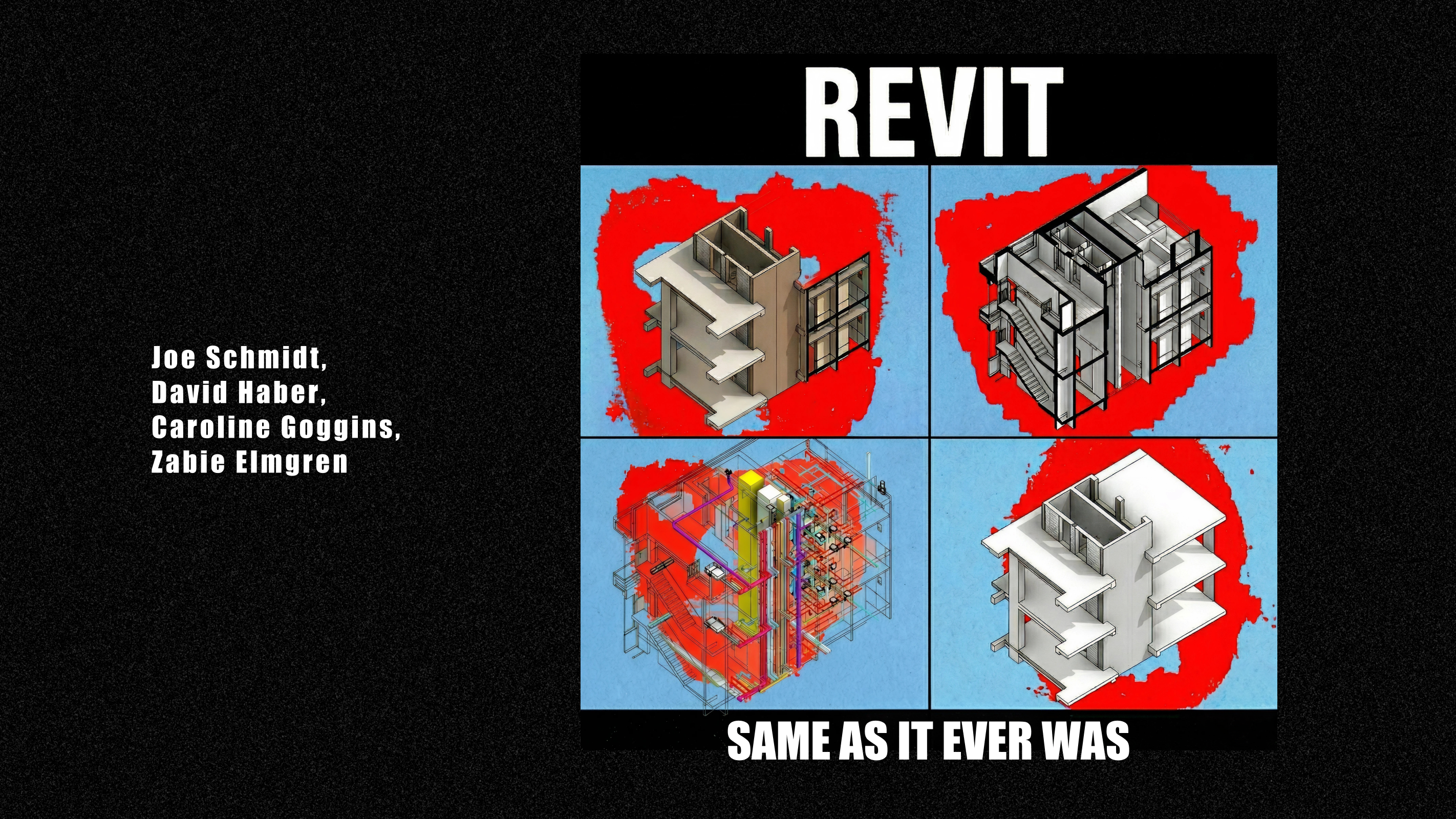
The core issue stems from a foundational tool: Autodesk's Revit. Launched in 1997 and acquired by Autodesk in 2002, Revit pioneered Building Information Modeling (BIM). It became the industry standard, taught in every architecture and engineering school, and now commands over 95% market share. Its proprietary file formats and lack of cloud-native collaboration lock in decades of firm-specific data and prevent seamless information flow between stakeholders.
The Monopoly's Stagnation
Despite its dominance, Revit's core functionality has seen minimal updates in two decades. Collaboration remains a manual process of syncing local files, leading to cascading errors. A structural beam change on Tuesday might not be discovered by MEP consultants until Friday, by which point ductwork is already routed through it.
This inefficiency has tangible consequences: 85% of construction projects exceed budgets, and three-quarters finish late. Rework and miscommunication, often traced back to design errors, cost the US industry $177 billion annually. The problem isn't just the software's age; it's that it struggles to truly *understand* a building's physics and interdependencies.