Visual TL;DR
OpenAI's Jalapeno ChipCore
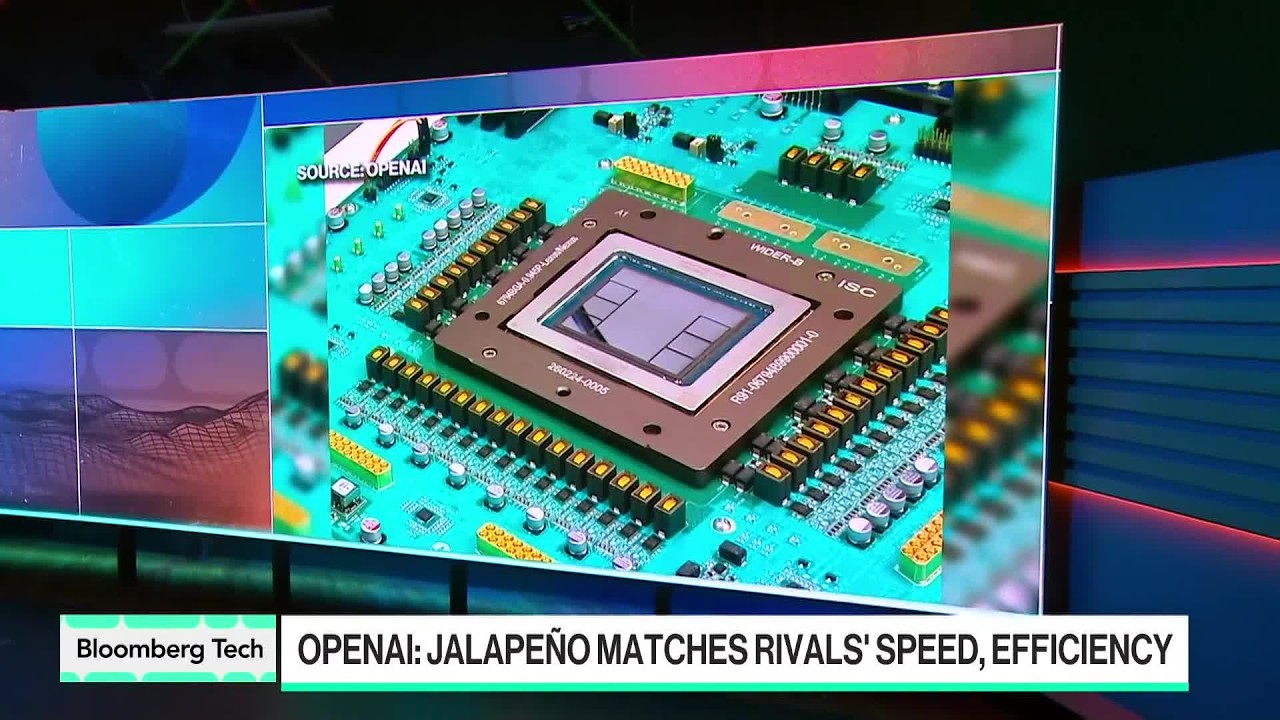
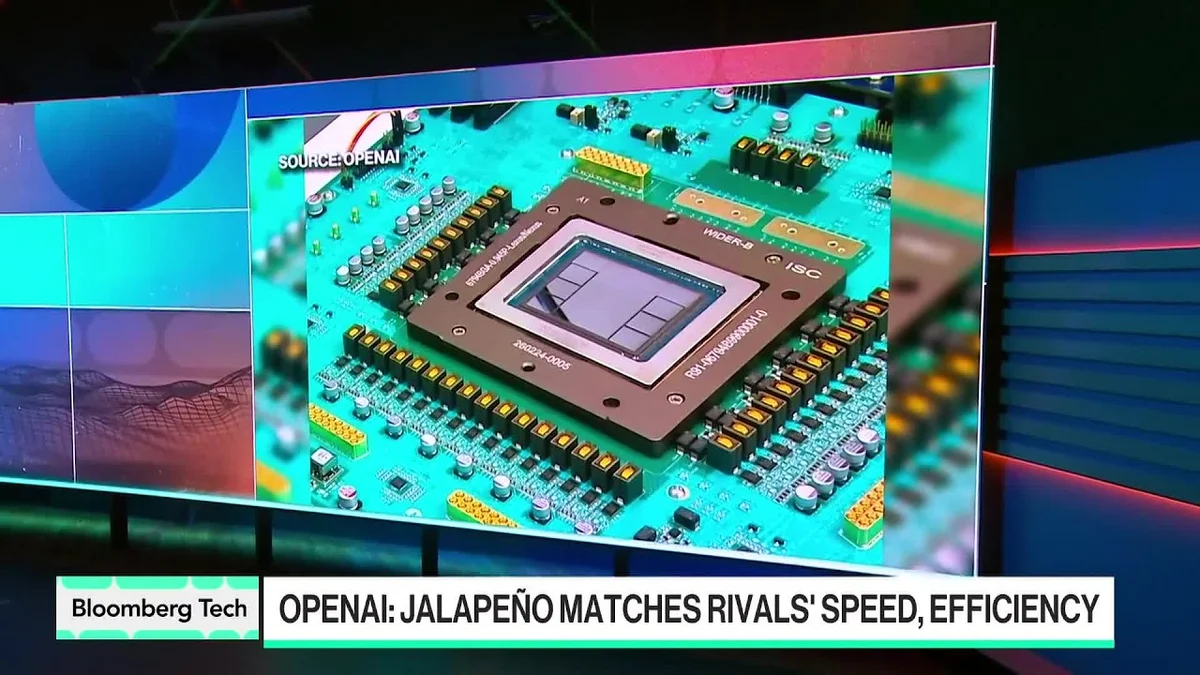
From the article 7 mentionsOpenAI is making a significant move into the hardware arena with the unveiling of its first custom inference chip, codenamed Jalapeno.
Lower Compute CostsOutcome
serving many customers with tokens much cheaper than current solutions
From the article 2 mentionsThis development marks a crucial step for the AI giant as it seeks to optimize its compute infrastructure and potentially lower costs for its rapidly growing user base.
Outperforms NvidiaEffect
From the article 4 mentionsIn a recent interview, Richard Ho, OpenAI's Vice President of Hardware, revealed that preliminary tests indicate the new chip is not only faster but also more efficient than Nvidia's GB300 system.
Challenges Nvidia DominanceOutcome
significant move into hardware arena, disrupting established market leader
OpenAI's Jalapeno ChipCore
From the article 7 mentionsOpenAI is making a significant move into the hardware arena with the unveiling of its first custom inference chip, codenamed Jalapeno.
Outperforms NvidiaEffect
From the article 4 mentionsIn a recent interview, Richard Ho, OpenAI's Vice President of Hardware, revealed that preliminary tests indicate the new chip is not only faster but also more efficient than Nvidia's GB300 system.
Novel ArchitectureContext
designed for high throughput and low latency simultaneously, an industry first
From the article 3 mentionsHe highlighted that this integrated approach, where memory and cores are tightly coupled, is a novel aspect of Jalapeno's design.
Full Stack ControlEffect
OpenAI gains control over hardware and software for better optimization
From the articleOpenAI's venture into custom silicon stems from a desire for complete control over its AI stack, from the models themselves down to the hardware.
Optimized AI InferenceContext
focus on serving AI models, not training them, for specific workloads
From the article 7 mentionsWhen questioned about not benchmarking against Nvidia's latest production system, the Blackwell, Ho clarified that the GB300 data was used because it was publicly available and optimized.
Faster Response TimesOutcome
low latency provides very fast response times for user interactions
From the article"Low latency gives you very, very fast response times.
Lower Compute CostsOutcome
serving many customers with tokens much cheaper than current solutions
From the article 2 mentionsThis development marks a crucial step for the AI giant as it seeks to optimize its compute infrastructure and potentially lower costs for its rapidly growing user base.
Challenges Nvidia DominanceOutcome
significant move into hardware arena, disrupting established market leader