
Dust AI, a startup focused on making artificial intelligence a team sport within enterprises, has closed a $40 million Series B funding round. The investment, led by Abstract and Sequoia, aims to scale Dust’s platform for human-agent collaboration.
The company argues that most enterprise AI adoption remains siloed, with individual employees using AI assistants whose context and outputs don't compound across teams. This 'single-player AI' approach limits organizational intelligence gains.
Multiplayer AI for the Enterprise
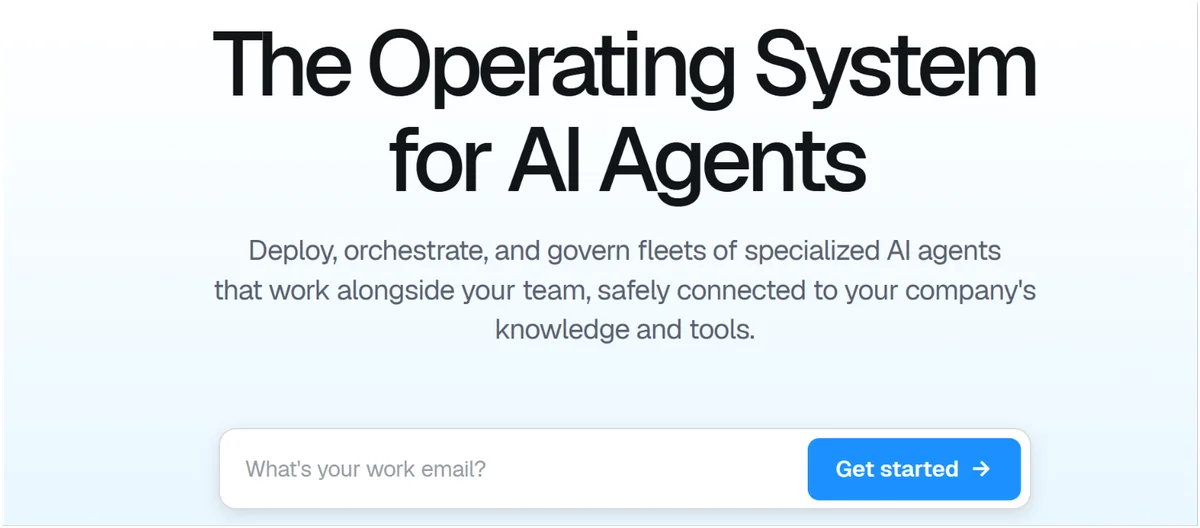
Dust’s platform is designed to break down these silos by creating a shared environment where AI agents and human teams operate with the same context and goals. This 'multiplayer AI' concept aims to foster compounding impact across the organization.
The funding round saw participation from Snowflake and Datadog, bringing Dust’s total funding to over $60 million. Dust AI $40M Series B signifies a significant step in its mission to redefine enterprise AI workflows.
Traction and Vision
Dust reports serving over 3,000 organizations, with 70% weekly active usage among its customers and zero churn in 2025. The platform has deployed over 300,000 agents.
Co-founder and CEO Gabriel Hubert stated that the next phase of enterprise AI transformation will come from systems that provide shared, governed access to information and capabilities, enabling true human-agent collaboration.
This funding will accelerate development in areas like self-improving agents, enhanced collaboration primitives, and scalable governance infrastructure. Dust AI $40M Series B is positioned to fuel this next wave of collaborative AI.



