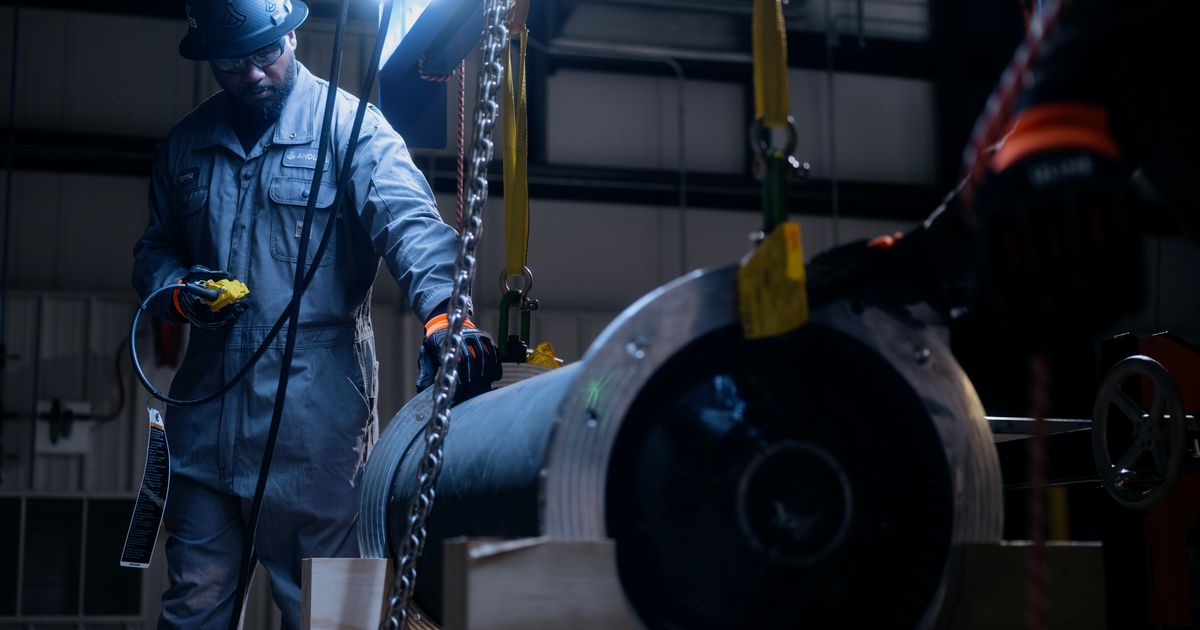
Boeing Anduril midrange interceptor has advanced in the U.S. Army competition, according to Anduril.
According to the source, the Boeing-Anduril team cleared the latest down-select. No test results, schedules or contract values were disclosed.
That thin disclosure is the story. In a program built on live-fire proof, advancing without public performance data invites scrutiny.
Anduril brings software-defined autonomy and rapid prototyping. Boeing brings interceptor heritage and production scale. The Army wants both, and this pairing is designed to check those boxes.
Why this matters for AI and startups
Midrange interceptors are becoming software problems as much as missile problems, with autonomy, sensor fusion and battle management deciding wins.
Anduril's pitch has always been that startups can field faster than primes, then borrow scale partnerships to get to production. This advance, alongside moves like Skydio Pushes Multi-Drone DFR Operations Scaling, shows how defense buyers are rewarding that hybrid model over pure prime bids.
What the Boeing Anduril midrange interceptor update leaves out
According to the source, there is no detail on what was demonstrated to earn the advance, or what the next evaluation requires.
A smart reader wants the test envelope, the competitive field still in the running, and whether this was a paper down-select or a flight result. Without that, builders cannot gauge risk or timing.




