



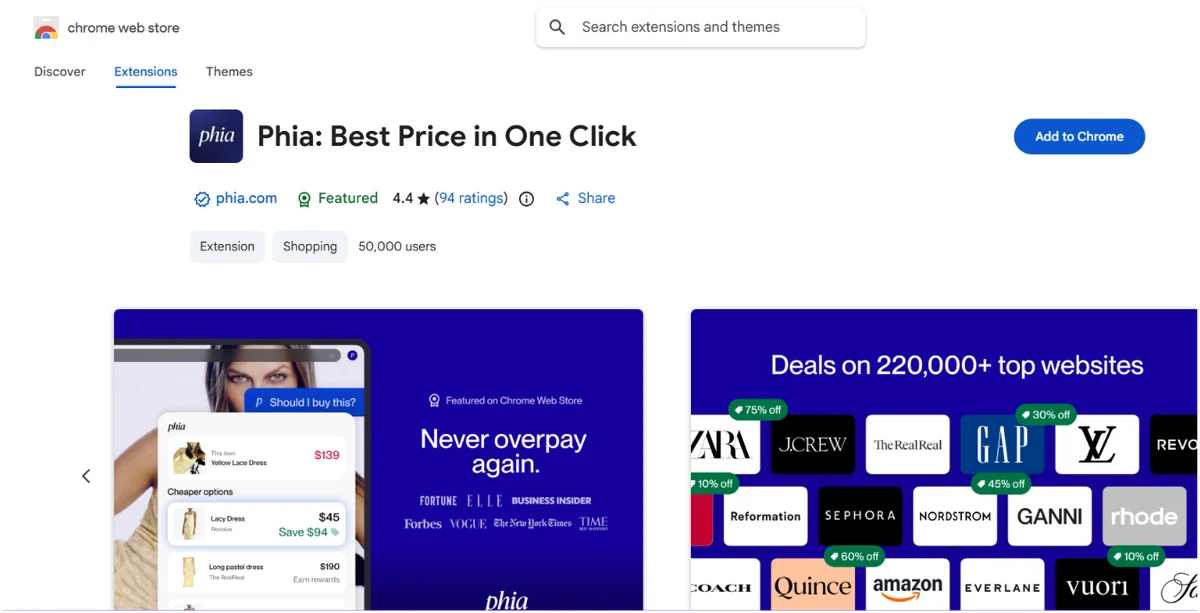
Phia, the AI shopping assistant co-founded by Phoebe Gates and Sophia Kianni, is facing serious allegations of affiliate commission manipulation. Launched in January 2023, the startup quickly garnered attention and significant funding, positioning itself as an innovative tool for smarter, more sustainable shopping.
The Core Allegations
A Bloomberg investigation in July 2026 revealed that Phia’s browser extension allegedly engaged in a practice known as "cookie stuffing." Researchers and competitors found that the extension would inject Phia’s affiliate tracking cookies during the checkout process on major retail sites. This often overrode existing affiliate codes from legitimate sources like publishers and content creators.
This tactic, also referred to as attribution hijacking, allows a company to claim commissions on sales it did not directly influence. It violates the terms of service for most affiliate networks and merchants, who rely on accurate tracking to compensate genuine referrers.
Phia's Defense and Prior Issues
Phia has responded by stating that the behavior resulted from a December 2024 code change and was not intentional. The company claims the issue was fixed immediately upon notification and the offending functionality removed. Despite these assurances, Impact.com suspended Phia’s account pending its own investigation.
This is not the first time Phia has faced scrutiny. In November 2025, security researchers discovered that an earlier version of the extension transmitted full HTML snapshots of visited webpages to Phia’s servers. This included sensitive, non-shopping pages, raising significant AI shopping assistant privacy concerns, a practice deemed "highly unusual" by experts.


