Visual TL;DR
Escalating AI & DronesDriver
AI and drone tech rapidly shaping modern conflicts
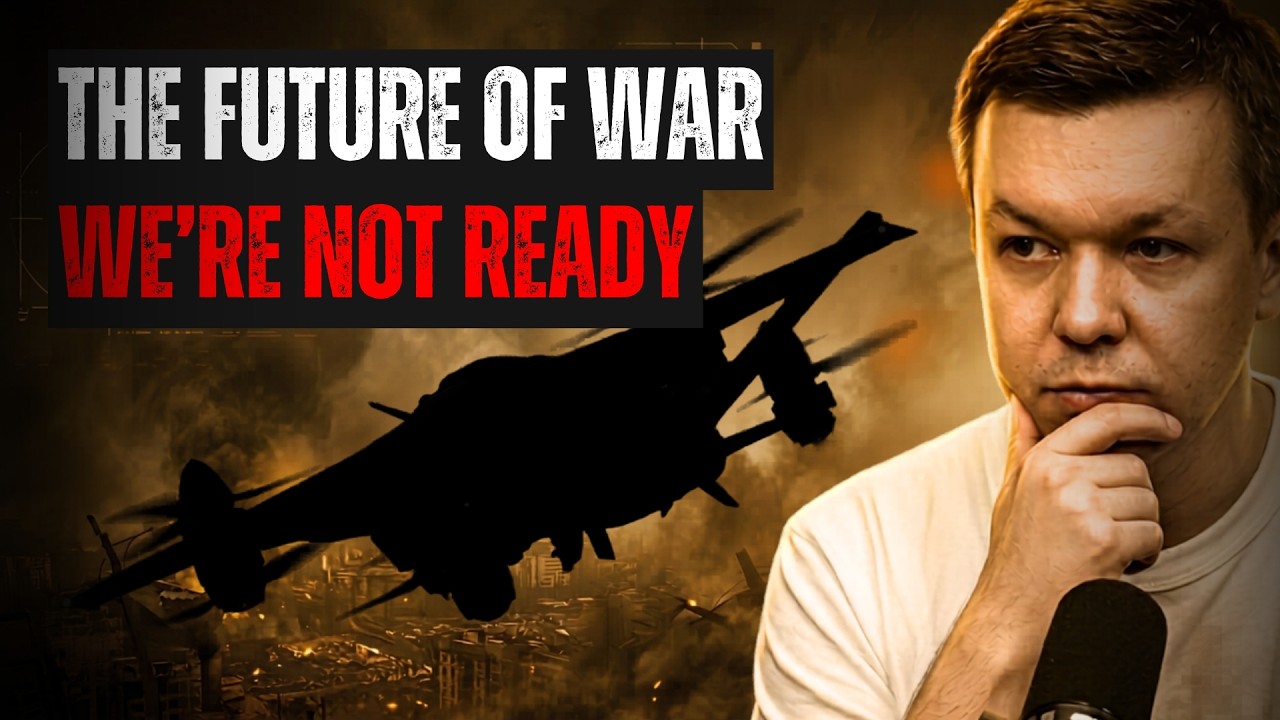
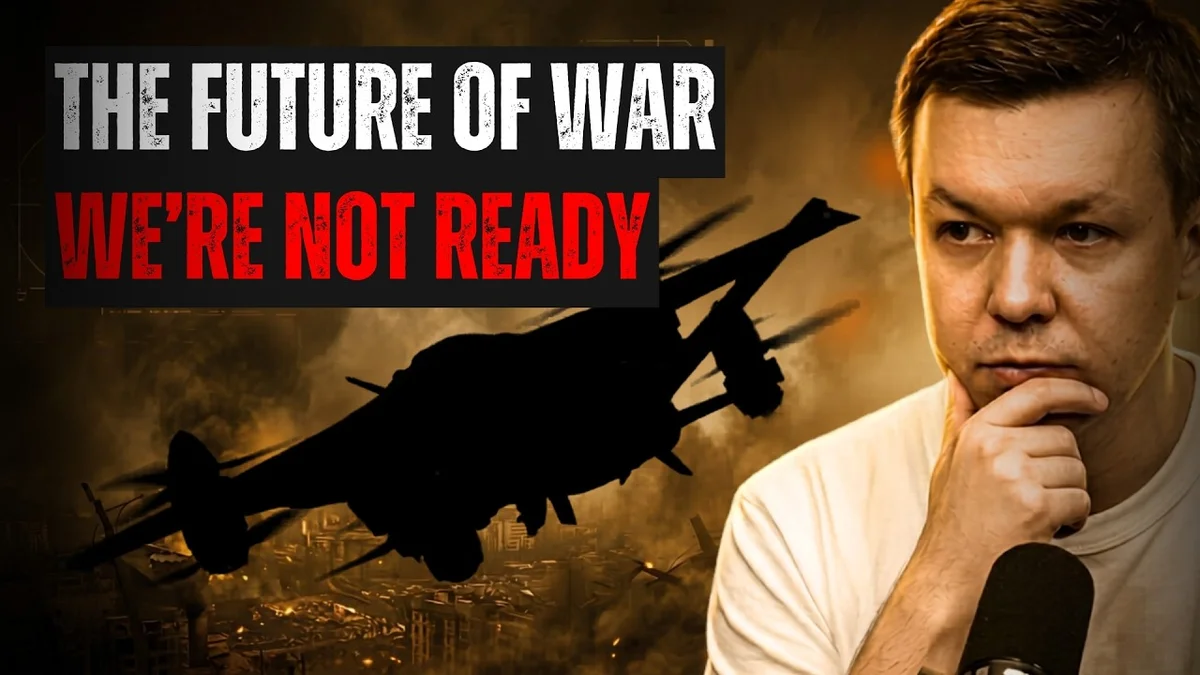
From the article 8 mentionsIn a sobering discussion titled "The Next War Is Already Here -- Yaroslav Azhnyuk, The Fourth Law & Noah Smith, Noahpinion," experts Yaroslav Azhnyuk, founder and CEO of The Fourth Law, and Noah Smith, writer for Noahpinion, delve into the rapidly evolving nature of modern warfare, with a particular focus on the escalating role of artificial intelligence and drone technology.
Drone RevolutionCore
FPV drones ubiquitous on battlefield, 4M produced by Ukraine
From the article 8 mentionsThe discussion highlights the sheer scale of drone production, particularly the emergence of FPV (first-person view) drones as a ubiquitous tool on the modern battlefield.
AI's Transformative RoleCore
AI enhancing capabilities from targeting to logistics
From the article 2 mentionsThis shift signifies the dramatic repurposing of technology for warfare, where AI plays a crucial role in enhancing the capabilities of these unmanned systems.
Moral ImperativeContext
Urgent need to address ethical implications of new tech
From the articleAzhnyuk articulates a powerful moral stance, stating, "That's the only morally right thing to do is to fight back.
China's Production MightDriver
Vast manufacturing capacity for drone components and systems
From the article 2 mentionsHowever, he contrasts this with China's immense production capacity, capable of manufacturing 4 billion FPV drones, underscoring the vast industrial advantage China holds in this sector.
Autonomous WarfareContext
The next frontier, raising moral and ethical questions
From the article 7 mentionsThe integration of AI allows for more sophisticated targeting, autonomous navigation, and real-time battlefield analysis, fundamentally changing how wars are fought and won.
Race for SupremacyOutcome
Nations competing for technological dominance in warfare
From the article 2 mentionsUltimately, the discussion underscores a global race for technological supremacy in the domain of AI and drone warfare.