


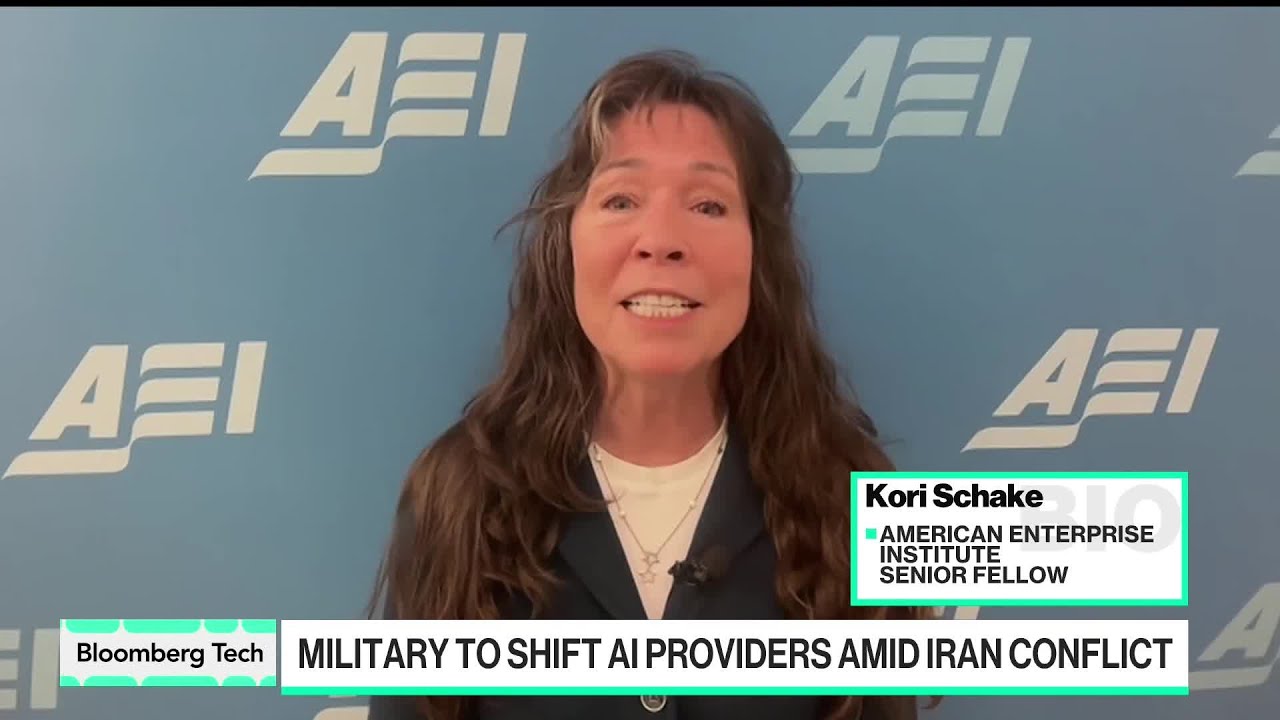
In a recent appearance on Bloomberg Tech, Kori Schake, Senior Fellow and Director of Defense Policy Studies at the American Enterprise Institute (AEI), discussed the critical role of Artificial Intelligence (AI) in national defense and the inherent challenges in its adoption. Schake, a respected voice in defense policy with extensive experience, argued against the notion of blacklisting or nationalizing AI providers, emphasizing the potential harm such measures could inflict on the defense sector and national security.
The full discussion can be found on Bloomberg Technology's YouTube channel.
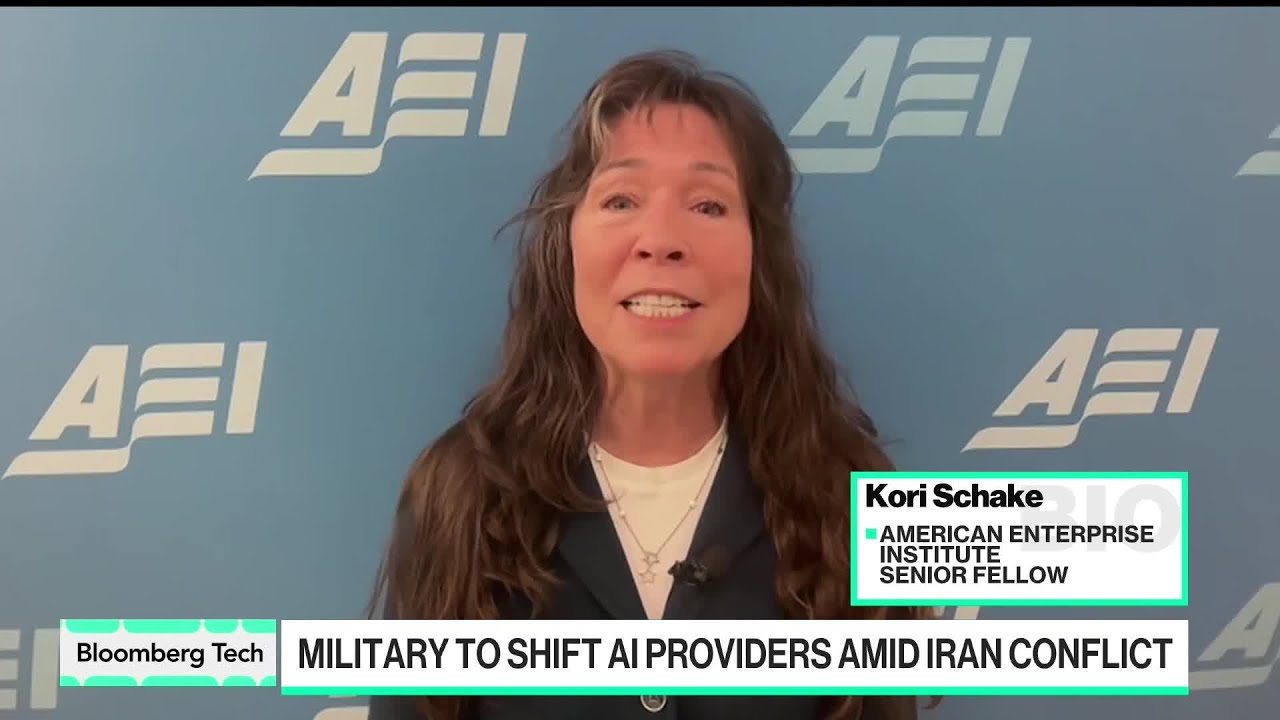
Kori Schake's Expertise
Kori Schake brings a wealth of experience to the discussion on defense and technology. Her work at AEI focuses on understanding and shaping defense policy, with a particular interest in the intersection of emerging technologies and national security. Her background includes advisory roles and extensive research on military strategy, alliances, and the future of warfare, making her insights particularly valuable in understanding the complexities of AI integration within the Department of Defense (DoD).
The Perils of Blacklisting AI Providers
Schake directly addressed the idea of barring certain AI providers from defense contracts, particularly those from countries like China. She stated, "The idea that you could nationalize or blacklist a leading American company is outrageous and it's going to discourage other leading edge tech firms from being willing to expose their business by participating in the defense ecosystem." This perspective highlights the potential for such a move to stifle innovation and create a chilling effect on domestic technology companies that could otherwise contribute to national security capabilities. By imposing such restrictions, the DoD risks alienating crucial partners and limiting its access to cutting-edge AI solutions.
The Need for Transparency in Defense AI
A central theme of Schake's argument was the critical need for transparency in how AI is developed and deployed within the defense sector. She emphasized the difficulty in assessing the risks associated with AI without clear visibility into its underlying mechanisms and data. "It's an open question... where AI is now... we do not want it to be used for domestic surveillance... or for predatory use of the law," Schake remarked, underscoring the ethical and security implications. The lack of transparency can lead to a situation where the government is unaware of the full capabilities and potential biases of the AI systems it relies upon, creating vulnerabilities.