

Israel's Emigration Crisis Threatens Economic Future

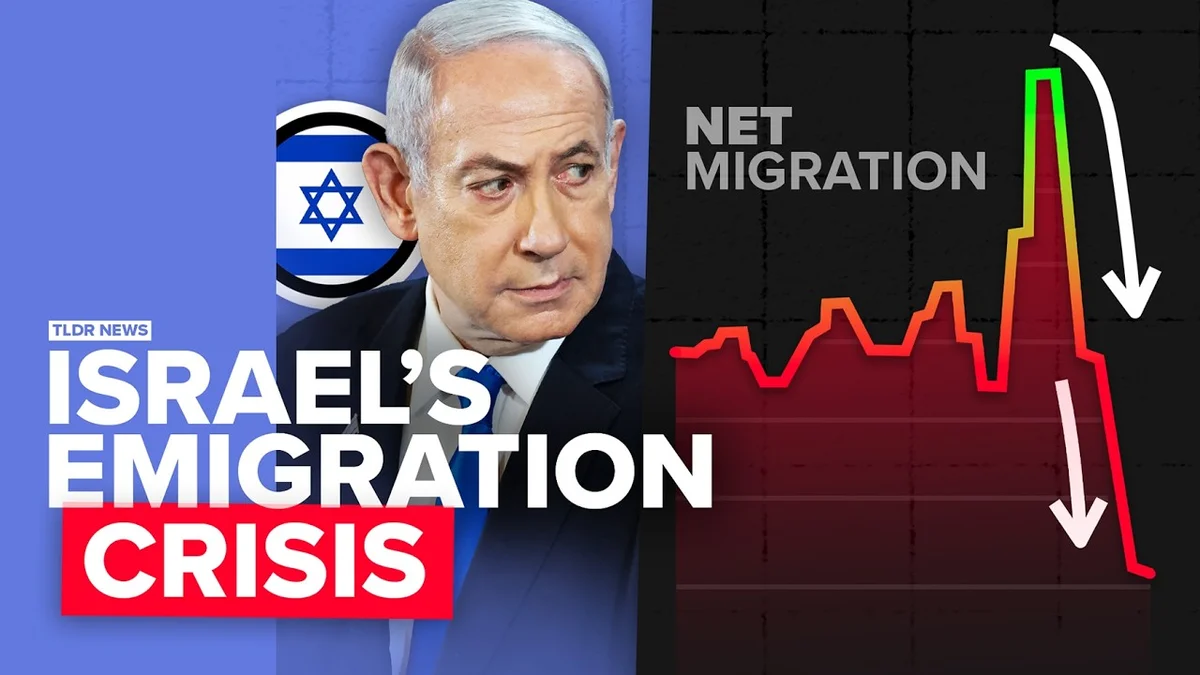
Israel faces a growing emigration crisis, with high-earning professionals leaving due to ongoing conflicts and political instability. This trend, coupled with the rising Haredi population, could significantly impact the country's long-term economic outlook.

A street in Israel with Israeli flags flying, symbolizing national identity and the current situation.
YouTube
Visual TL;DR
Political InstabilityDriver
ongoing conflicts and political instability are key drivers for emigration decisions
From the article 3 mentionsHowever, the current exodus is primarily driven by the prolonged military conflict in Gaza and Lebanon and the associated political instability, rather than solely economic hardship.
Rising Haredi PopulationDriver
growing proportion of the remaining population is more religious and less economically active
From the article 2 mentionsThe ultra-Orthodox Haredi community, with its high birth rates and lower workforce participation, is growing at twice the rate of the general population.
Tel Aviv University ReportCore
new report highlights the unprecedented nature and concerns of current emigration
From the articleFor three consecutive years, Israel has faced a net outflow of its citizens, a trend that a new report from Tel Aviv University suggests is the longest continuous period of Israeli emigration on record.
Net Emigration TrendDriver
From the articleFor three consecutive years, Israel has faced a net outflow of its citizens, a trend that a new report from Tel Aviv University suggests is the longest continuous period of Israeli emigration on record.
High-Earning Professionals LeaveDriver
skilled workers and high-earning professionals are disproportionately leaving Israel
Economic RepercussionsOutcome
loss of tax revenue and skilled labor impacts national productivity and innovation
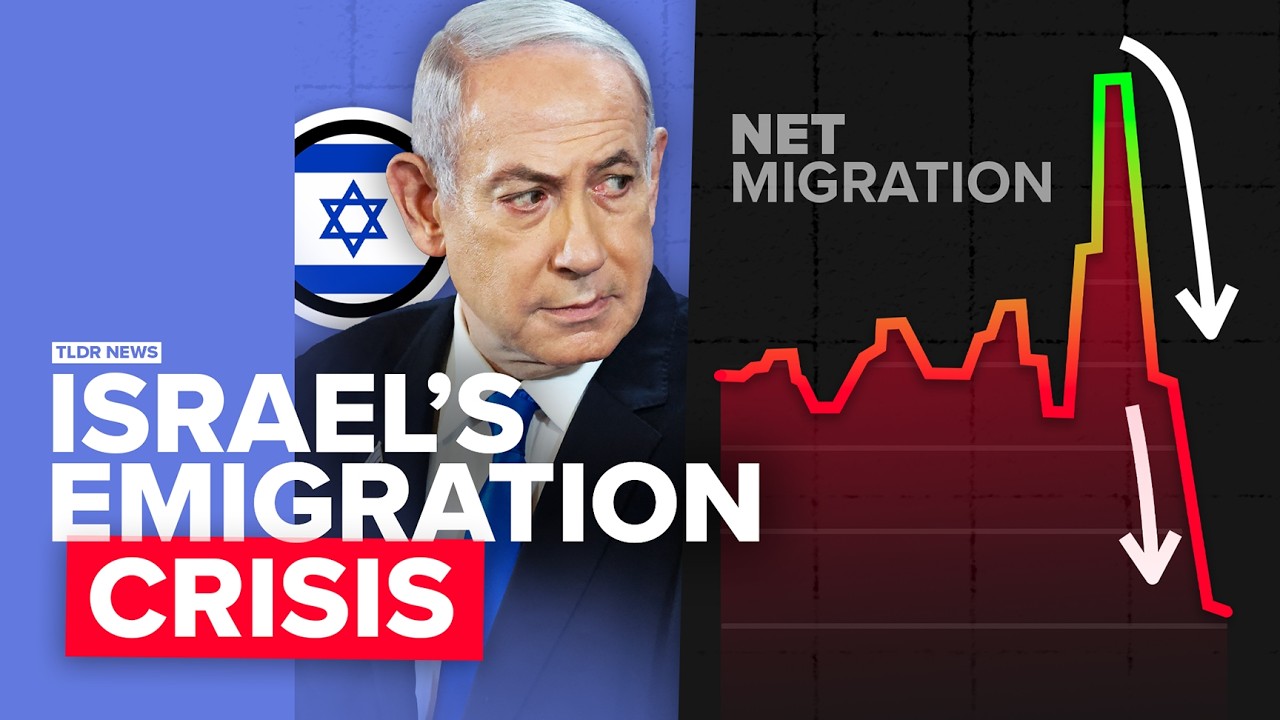
From the article 8 mentionsThis phenomenon, where more Israelis are leaving the country for extended periods than entering, is raising significant concerns about the nation's economic future.
Threatens Economic FutureOutcome
long-term economic outlook significantly impacted by demographic shifts and brain drain
From the articleThis phenomenon, where more Israelis are leaving the country for extended periods than entering, is raising significant concerns about the nation's economic future.
Contents(4)

For three consecutive years, Israel has faced a net outflow of its citizens, a trend that a new report from Tel Aviv University suggests is the longest continuous period of Israeli emigration on record. This phenomenon, where more Israelis are leaving the country for extended periods than entering, is raising significant concerns about the nation's economic future. The situation is exacerbated by a shift in the demographic makeup of the remaining population, with a growing proportion becoming more religious and less economically active.

Israel's Emigration Crisis Threatens Economic Future

The Emigration Trend

According to the report, approximately 100,000 Israelis, representing about 1% of the population, have left the country for more than three months each year in 2023, 2024, and 2025. The number of those leaving for over 12 months has consistently been around 50,000. While these figures are not considered abnormal by international standards, they are unprecedented for Israel. Historically, Israel has experienced net negative migration only a few times, primarily during severe economic crises in the 1980s and 1950s. However, the current exodus is primarily driven by the prolonged military conflict in Gaza and Lebanon and the associated political instability, rather than solely economic hardship.

Political and Security Drivers

The current wave of emigration is closely linked to the political climate in Israel. Early in 2023, Prime Minister Benjamin Netanyahu's government introduced controversial judicial reforms that sparked widespread protests, with critics arguing they undermined the country's system of checks and balances. The escalation of conflict following the October 2023 Hamas attack on Israel and the subsequent invasion of Gaza, which has also drawn in Hezbollah and Iran, has further fueled the departures. Many of those leaving are described as secular and liberal Israelis who were already concerned about the government's direction.

Economic Repercussions

The emigration crisis poses a dual threat to Israel's economy. Firstly, the departure of highly skilled workers, particularly in the tech and healthcare sectors, could lead to a significant brain drain. A study by Israel's tax authority indicated that the rate of affluent Israelis leaving has doubled since 2019, potentially costing the country billions in lost tax revenue. This is particularly concerning given Israel's established role as a global hub for technology and military innovation.

Secondly, the shift in the population's composition presents a long-term economic challenge. The ultra-Orthodox Haredi community, with its high birth rates and lower workforce participation, is growing at twice the rate of the general population. Currently making up about 14% of the population, they are projected to reach a quarter by 2050. The report highlights that while Haredi women have higher employment rates, the unemployment rate among Haredi men stands at 53%, a stark contrast to the overall Israeli unemployment rate of 3%. The community also benefits from substantial state subsidies for religious education and child allowances, creating a significant fiscal burden.

Future Outlook

The economic implications of these trends are considerable. With a smaller, more productive workforce expected to support a growing Haredi population that relies heavily on state subsidies, the economic pressure on the remaining workers, who also bear a greater burden of military service, is likely to increase. This, in turn, could further incentivize skilled workers to emigrate.

The upcoming Israeli election in October is framed as a pivotal moment. A victory for the opposition, which is largely secular, could potentially lead to the return of liberal-minded Israelis and alleviate some of the structural economic pressures. Conversely, a continuation of the current political landscape or further instability could exacerbate the emigration crisis and its economic consequences.

© 2026 StartupHub.ai. All rights reserved. You may not republish this article in full without a license. Search engines and AI research tools may crawl and summarize for reference. Bulk reproduction or model training requires a license. See our terms.
Daniel Singer

Written by

Daniel Singer

Editor, StartupHub.ai

Daniel Singer is the editor of StartupHub.ai, a technology expert and thought leader on AI and its applications across sectors, from fintech and healthcare to developer tooling and consumer software. He writes and tests the tools covered here thoroughly and regularly, and built StartupHub.ai to give founders, operators and buyers a clearer read on what they are actually being sold.