Visual TL;DR
Inflation & CostsDriver
From the articleThe economic struggles faced by many Iranians, exacerbated by inflation and rising costs, are highlighted as a factor that could make such financial incentives particularly potent.
Financial Incentives RoleContext
video details how the bounty is structured and payout is determined
From the articleThe economic struggles faced by many Iranians, exacerbated by inflation and rising costs, are highlighted as a factor that could make such financial incentives particularly potent.
Iran's $30K BountyCore
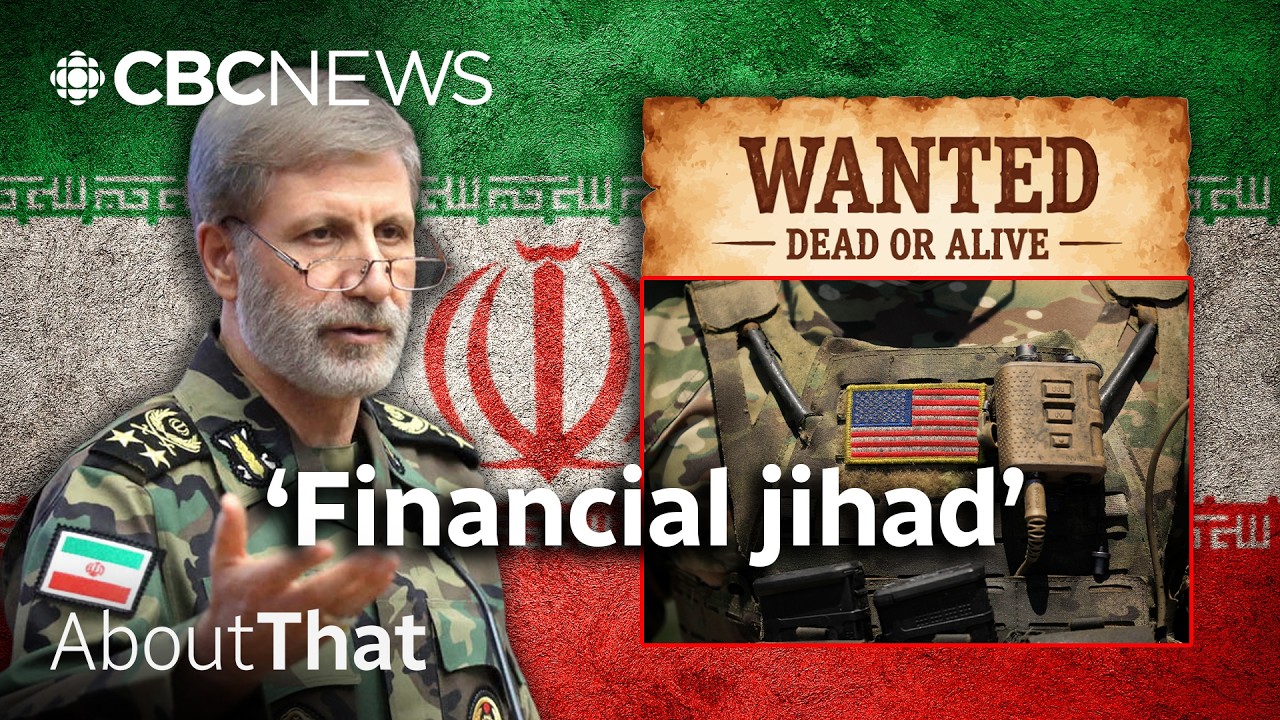
commander-in-chief Amir Hatami offers 5 billion Iranian toman for US soldiers
From the articleIran has reportedly placed a bounty of $30,000 USD on the lives of American soldiers, a move that is being analyzed as a significant psychological tactic amidst ongoing geopolitical tensions.
Economic DesperationDriver
bounty sum represents 25 years of salary for the average Iranian citizen
From the article 2 mentionsThe economic struggles faced by many Iranians, exacerbated by inflation and rising costs, are highlighted as a factor that could make such financial incentives particularly potent.
Psychological WarfareContext
analyzed as a significant psychological tactic amidst ongoing geopolitical tensions
From the article 4 mentionsThis highlights the complex interplay of economics, politics, and psychological warfare in the current geopolitical climate.
Past Bounties CitedContext
From the articleThis bounty system is not entirely new, with past instances cited, including a reported $60,000 bounty for the capture of a U.S. airman after an F-15 was shot down.
Galvanize PopulationEffect
From the articleThe tactic aims to galvanize the population, turning ordinary citizens into potential participants in a broader conflict.
Increased TensionsOutcome
move contributes to heightened geopolitical tensions and potential for conflict
From the article 2 mentionsThe aim is to create a perception of increased risk for U.S. military personnel and to exploit potential political fractures within the United States, potentially pressuring the U.S. to de-escalate on Iran's terms.