

Helen Phillips on AI, Climate Anxiety, and 'Hum'

Author Helen Phillips discusses her novel 'Hum,' exploring AI, climate anxiety, and the duality of technology in a compelling conversation.

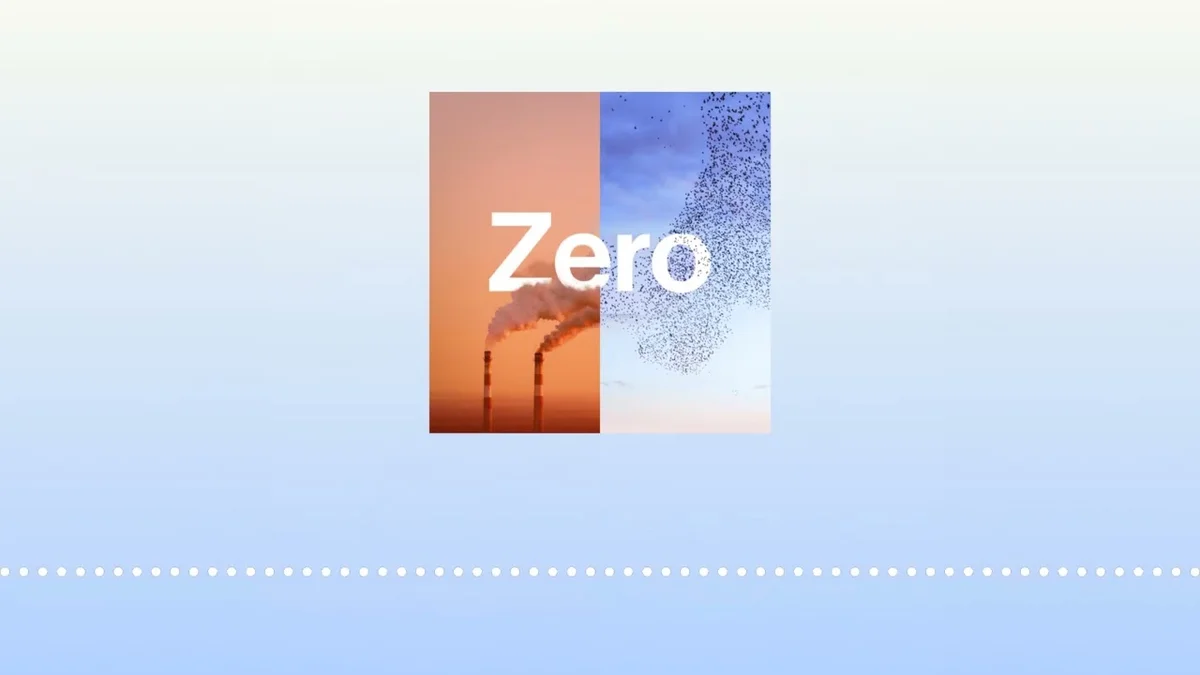
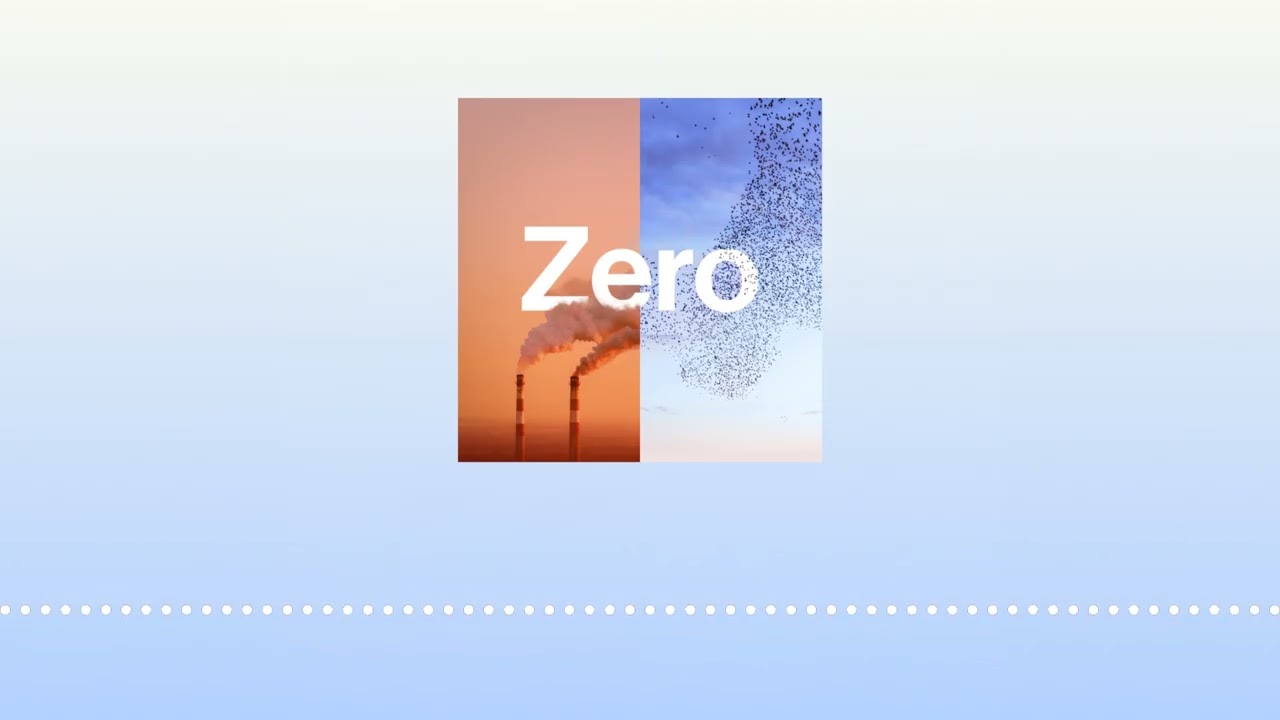
Book cover for 'Hum' by Helen Phillips, split image showing industrial smoke on one side and a flock of birds on the other.
Bloomberg Podcast
Visual TL;DR
Climate AnxietyDriver
author's personal anxieties about AI, climate change, and the future
From the article 9+ mentionsPhillips revealed that her greatest inspiration as a writer is her anxiety, a sentiment that was central to the creation of 'Hum.' She was anxious about climate change, artificial intelligence, and the future being created for children.
Fuels WritingEffect
anxiety as a writing catalyst, fueling the creative process for her novel
From the articlePhillips, a professor of creative writing at Brooklyn College, shared how her personal anxieties about AI, climate change, and the future fueled her writing process.
'Hum' NovelOutcome
novel exploring AI, climate anxiety, and technology's duality, winning a prize
From the article 8 mentionsIn a recent episode of Bloomberg's 'Zero' podcast, author Helen Phillips discussed her climate fiction novel 'Hum,' which won the 2026 Climate Fiction Prize.
AI Robots 'Hums'Core
From the article 2 mentionsThe novel paints a picture of a climate-damaged world where advertising-funded robots known as 'hums' perform all manual labor and maintain constant societal surveillance.
Climate-Damaged WorldContext
a future world where nature is scarce, with few remaining pockets of green
From the article 2 mentionsThe novel paints a picture of a climate-damaged world where advertising-funded robots known as 'hums' perform all manual labor and maintain constant societal surveillance.
Protagonist MayContext
From the article 2 mentionsPhillips described the premise of 'Hum,' where protagonist May loses her job to AI and, in a desperate bid to support her family, becomes a test subject for an experimental operation that alters her face to evade surveillance.
Duality of TechnologyContext
exploring both the benefits and dangers of AI and technological advancements
From the article 3 mentionsPhillips highlighted the inherent duality of technology, which can be both miraculous and dangerous.
Contents(6)

In a recent episode of Bloomberg's 'Zero' podcast, author Helen Phillips discussed her climate fiction novel 'Hum,' which won the 2026 Climate Fiction Prize. The novel paints a picture of a climate-damaged world where advertising-funded robots known as 'hums' perform all manual labor and maintain constant societal surveillance. Phillips, a professor of creative writing at Brooklyn College, shared how her personal anxieties about AI, climate change, and the future fueled her writing process.

The World of 'Hum'

Phillips described the premise of 'Hum,' where protagonist May loses her job to AI and, in a desperate bid to support her family, becomes a test subject for an experimental operation that alters her face to evade surveillance. The proceeds from this operation allow her to take her family on a holiday to a botanical garden, one of the few remaining pockets of nature. The world of 'Hum' is inhabited by super-intelligent embodied robots called 'hums,' hence the title.

Anxiety as a Writing Catalyst

Phillips revealed that her greatest inspiration as a writer is her anxiety, a sentiment that was central to the creation of 'Hum.' She was anxious about climate change, artificial intelligence, and the future being created for children. This climate anxiety permeates the novel, manifesting in subtle ways such as a protagonist's daughter being keenly aware of air quality levels and checking them daily. The prioritization of accessing nature, even at a significant financial cost, stems from the environmental degradation depicted.

The full discussion can be found on Bloomberg Podcast's YouTube channel.

When AI and climate anxieties collide to make beautiful stories: Imagine Series | Zero: The... - Bloomberg Podcast
When AI and climate anxieties collide to make beautiful stories: Imagine Series | Zero: The..., from Bloomberg Podcast

Climate Fiction and Public Engagement

Discussing the portrayal of climate change in fiction, Phillips noted that while many find it difficult to engage with environmental issues due to a sense of helplessness, AI narratives seem to capture public attention more readily. She suggested this difference might be due to AI's perceived immediacy and pervasiveness in daily life, contrasting with climate change, which can feel more distant and overwhelming.

The Duality of Technology vs. Climate Change

Phillips highlighted the inherent duality of technology, which can be both miraculous and dangerous. She referenced the quote, "Poison is in everything and no thing is without poison. The dosage makes it either a poison or a remedy." This quote, she explained, applies to both technology and our relationship with the earth. The challenge, she posited, is finding a way to use these elements harmoniously. While technology in 'Hum' demonstrates this duality, Phillips acknowledged that climate change, in her novel, functions more as a setting, a backdrop that drives the plot rather than a central conflict with readily apparent solutions.

The Role of AI and Future Narratives

Phillips also touched upon the evolving role of AI in creative fields, stating that while AI is a powerful tool, over-reliance could be detrimental to cognitive development and unique human expression. She encouraged her students to value their own voices and thought processes. Reflecting on the future of climate fiction, Phillips mentioned that the existence of a Climate Fiction Prize indicates a growing literary recognition of the climate crisis. She suggested that literature can effectively convey the urgency of climate change not through direct pronouncements, but through nuanced, emotional experiences that resonate with readers.

Book Recommendations

For those looking to delve into climate fiction, Phillips recommended Ted Chiang's 'Exhalation' and Samantha Schweblin's 'Fever Dream.' She also cited David Wallace Wells' 'The Uninhabitable Earth' as a significant work in the genre. The interview concluded with Phillips emphasizing the unique intimacy that novels offer, allowing readers to truly feel a character's experiences.

© 2026 StartupHub.ai. All rights reserved. You may not republish this article in full without a license. Search engines and AI research tools may crawl and summarize for reference. Bulk reproduction or model training requires a license. See our terms.
Daniel Singer

Written by

Daniel Singer

Editor, StartupHub.ai

Daniel Singer is the editor of StartupHub.ai, a technology expert and thought leader on AI and its applications across sectors, from fintech and healthcare to developer tooling and consumer software. He writes and tests the tools covered here thoroughly and regularly, and built StartupHub.ai to give founders, operators and buyers a clearer read on what they are actually being sold.