Visual TL;DR
Government AI AdoptionDriver
challenges and opportunities in integrating cutting-edge technology
From the article 8 mentionsEoin Mulgrew, speaking at 10 Downing Street, outlined the UK government's strategic approach to "Rewiring the State" through the adoption of Artificial Intelligence.
No10 Innovation FellowshipCore
From the articleMulgrew detailed the "No10 Innovation Fellowship" program, which is designed to bring top-tier technical talent from both industry and academia into the heart of government.
Bridging the GapContext
leveraging AI to tackle complex government problems
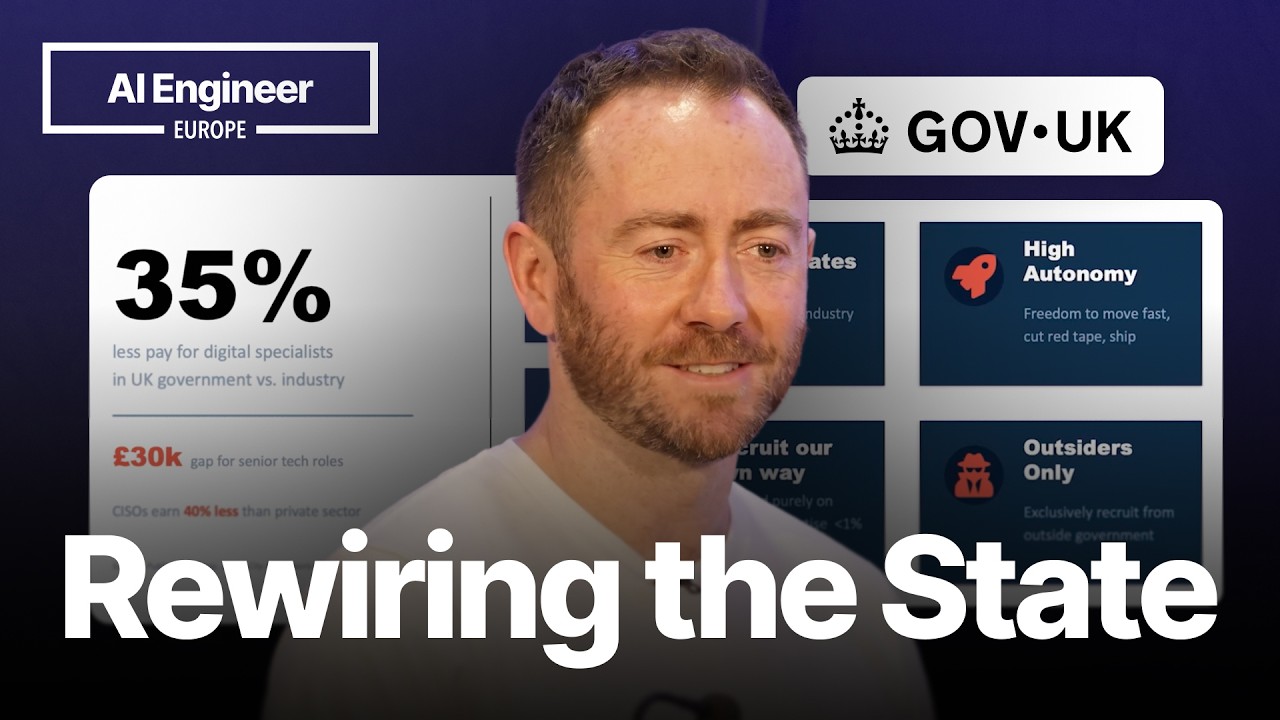
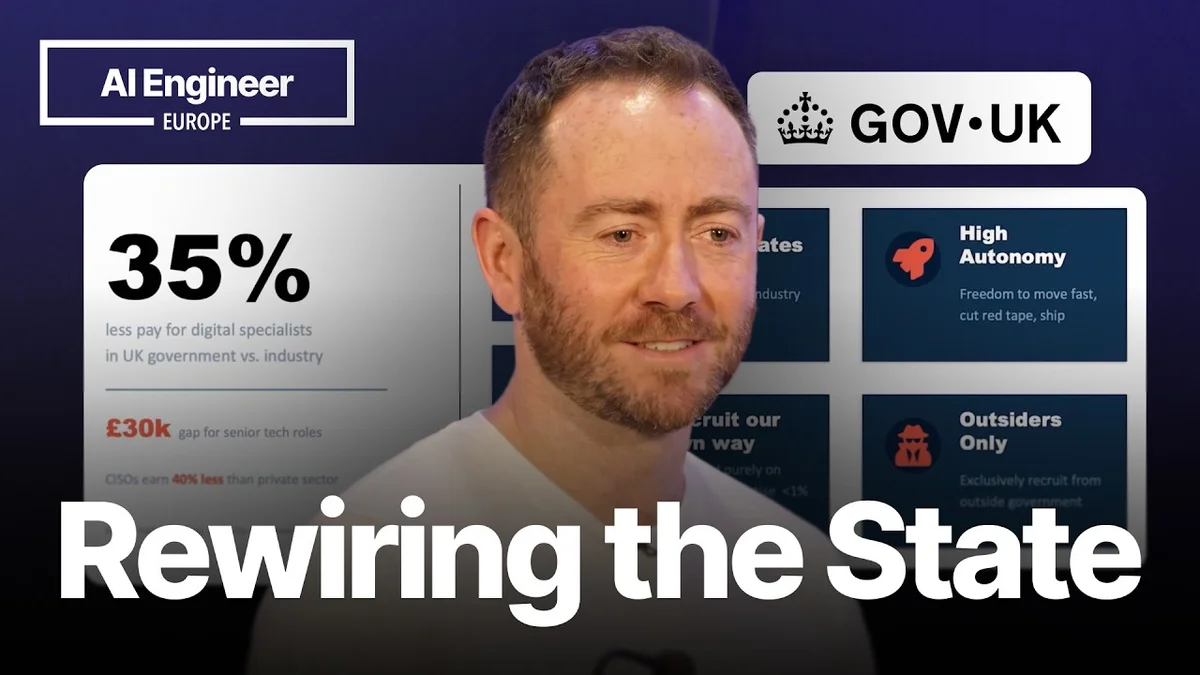
From the articleHe noted that digital specialists in UK government roles often earn around 35% less than their industry counterparts, with a £30,000 gap for senior tech roles.
Rewiring the StateEffect
transforming public services with AI integration
From the articleEoin Mulgrew, speaking at 10 Downing Street, outlined the UK government's strategic approach to "Rewiring the State" through the adoption of Artificial Intelligence.
Insurgency ModelContext
approach for driving innovation within government
From the article 2 mentionsMulgrew described the approach as an "insurgency model," characterized by a clear mandate from No.
Talent DeploymentContext
deploying fellows across various government departments
From the article 3 mentionsThe program operates with a unique mandate, allowing it to deploy talent across various government departments and compete with industry for top talent by offering market-competitive rates and significant autonomy.
AI in ActionContext
case studies and future vision for public services
Public Service TransformationOutcome
improving operational efficiency and policy analysis
From the article 2 mentionsThe core mission, Mulgrew conveyed, is to make informed decisions through data and AI, ultimately leading to better public services and improved outcomes for citizens.