

BD CEO: AI & Robotics Key to Healthcare Transformation

BD CEO Tom Polan discusses how AI and robotics are transforming healthcare, focusing on supply chain resilience, home care, and improved patient outcomes.

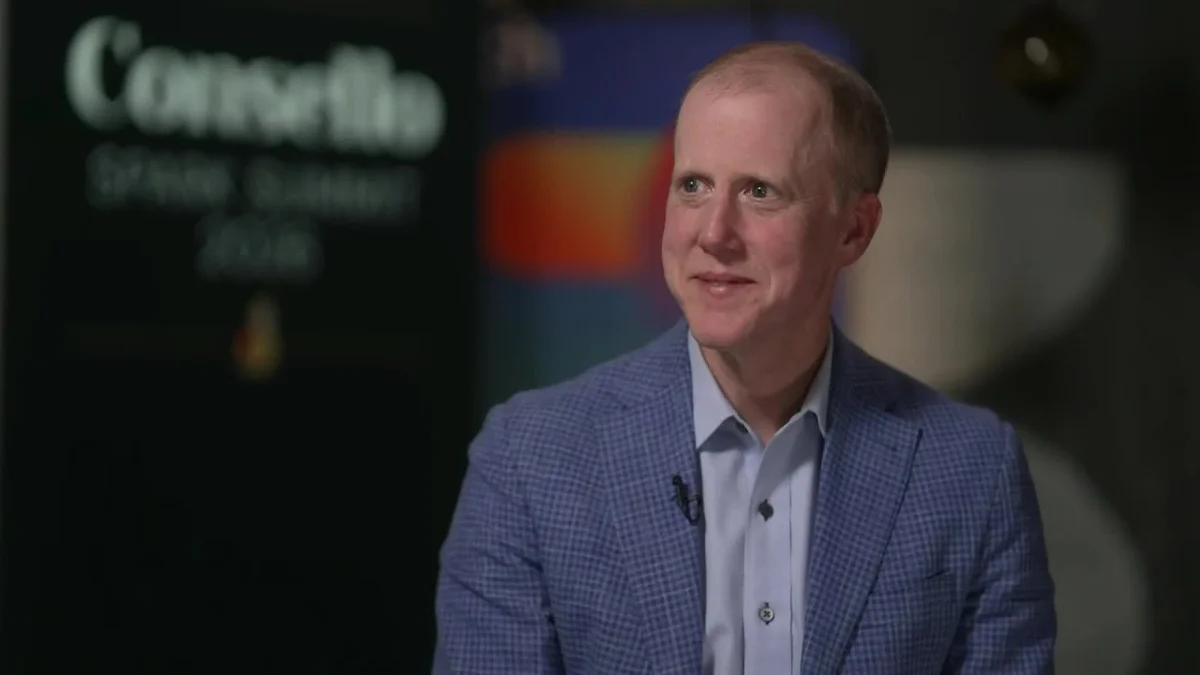
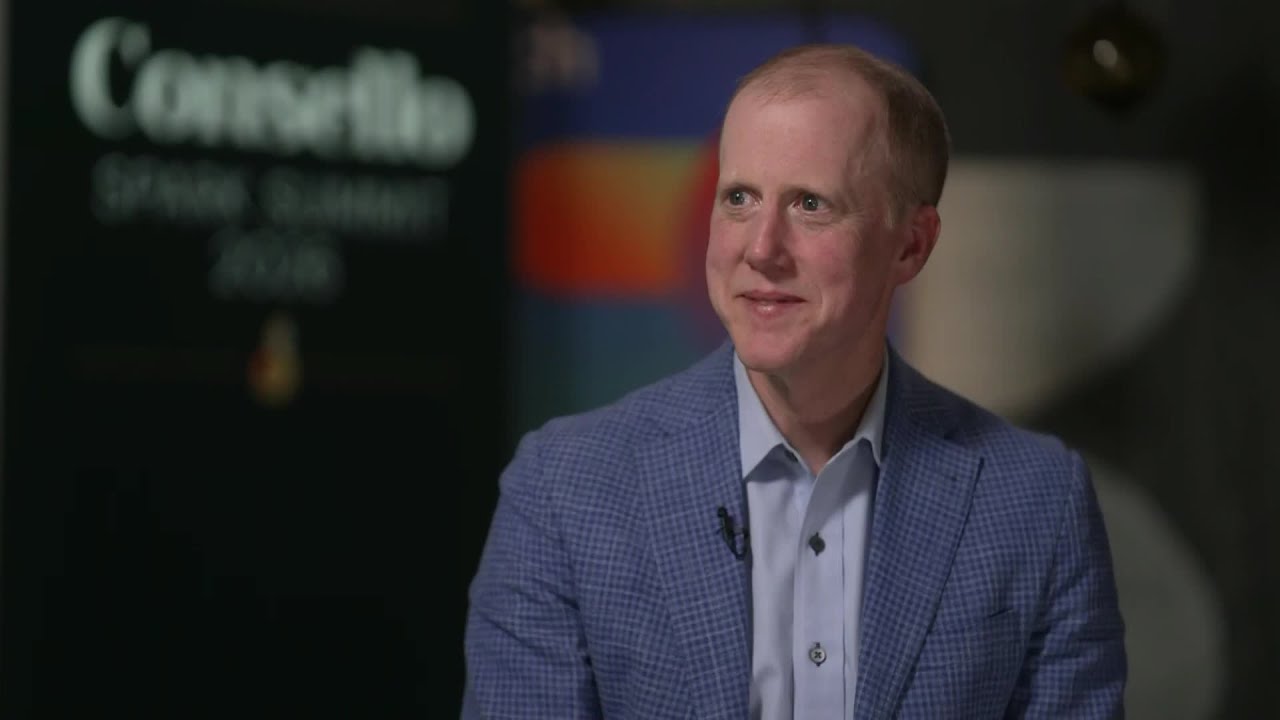
Tom Polan, CEO of BD, in discussion at the Concello Spark Summit 2026.
Image credit: StartupHub.ai· Bloomberg Technology
Visual TL;DR
Healthcare DisruptionDriver
From the article 9+ mentionsIn an era defined by disruption and technological advancement, the healthcare industry is poised for a significant transformation, driven by the integration of Artificial Intelligence (AI) and robotics.
BD's ScaleContext
From the article 2 mentionsPolan detailed the immense scale of BD's operations, noting that the company produces approximately 35 billion medical devices annually, equating to 400,000 devices per minute.
Supply Chain ChallengesDriver
From the article 2 mentionsThis staggering volume underscores the critical need for resilient and robust supply chains, especially in the face of global challenges.
AI & RoboticsCore
key to healthcare transformation
From the article 3 mentionsLooking ahead, Polan expressed optimism about the accelerating pace of AI and robotics integration in healthcare.
Home Healthcare ShiftContext
focus on home care and AI-driven care
From the article 2 mentionsBD is strategically aligning with this movement, focusing on three key pillars: AI-connected care, enabling care to shift into the home, and improving outcomes for chronic diseases.
Robotics in PharmacyContext
robotics in pharmacy and beyond
From the article 3 mentionsPolan also pointed to the growing role of robotics in everyday healthcare processes, such as in retail pharmacies where automated systems are handling prescription fulfillment, allowing pharmacists to focus on patient interaction rather than manual counting.
Improved Patient OutcomesEffect
fundamentally reshaping patient care
From the articleBD actively learns from these diverse healthcare systems, seeking to apply successful strategies and technological solutions across its operations to drive continuous improvement and deliver better patient outcomes worldwide.
Operational EfficiencyEffect
From the article 2 mentionsTom Polan, CEO of BD, shared his insights on this critical shift during the Concello Spark Summit 2026, highlighting how these technologies are not just enhancing operational efficiency but fundamentally reshaping patient care.
Contents(6)

In an era defined by disruption and technological advancement, the healthcare industry is poised for a significant transformation, driven by the integration of Artificial Intelligence (AI) and robotics. Tom Polan, CEO of BD, shared his insights on this critical shift during the Concello Spark Summit 2026, highlighting how these technologies are not just enhancing operational efficiency but fundamentally reshaping patient care.

The Scale of BD's Operations

Polan detailed the immense scale of BD's operations, noting that the company produces approximately 35 billion medical devices annually, equating to 400,000 devices per minute. This staggering volume underscores the critical need for resilient and robust supply chains, especially in the face of global challenges. BD's strategic investments in securing raw materials, maintaining core infrastructure like dedicated railroad spurs, and even operating corn silos that can be repurposed for resin storage during natural disasters, exemplify their commitment to ensuring uninterrupted supply to hospitals worldwide.

The full discussion can be found on Bloomberg Technology's YouTube channel.

AI, Robotics Key to Transforming Health Care: BD CEO - Bloomberg Technology
AI, Robotics Key to Transforming Health Care: BD CEO, from Bloomberg Technology

Addressing the complexities of the current geopolitical climate and supply chain disruptions, Polan emphasized that BD's diversified and vertically integrated approach is a key strength. By controlling various stages of production and logistics, BD can mitigate risks and ensure that hospitals can continue to rely on their devices for critical patient care. This focus on resiliency has become a paramount concern for healthcare leaders globally, with CEOs increasingly seeking partners who can guarantee stability and reliability.

The Shift Towards Home Healthcare and AI-Driven Care

A significant trend shaping the future of healthcare, as highlighted by Polan, is the consumer demand for increased care at home. BD is strategically aligning with this movement, focusing on three key pillars: AI-connected care, enabling care to shift into the home, and improving outcomes for chronic diseases. This includes leveraging AI for predictive analytics to anticipate patient needs in critical care settings, allowing nurses to intervene proactively. The vision extends to autonomous devices and AI systems that can manage patient well-being directly in their homes, reducing the need for hospital visits and freeing up clinicians for more complex tasks.

Robotics in Pharmacy and Beyond

Polan also pointed to the growing role of robotics in everyday healthcare processes, such as in retail pharmacies where automated systems are handling prescription fulfillment, allowing pharmacists to focus on patient interaction rather than manual counting. This automation extends to various aspects of medical device manufacturing and distribution, aiming to streamline operations and enhance accuracy. BD's commitment to operational excellence, termed 'BD Excellence', involves applying lean principles and continuous improvement methodologies to its entire network, ensuring high quality and efficiency.

The Future of Healthcare: AI and Robotics Integration

Looking ahead, Polan expressed optimism about the accelerating pace of AI and robotics integration in healthcare. He predicts that within the next decade, current advancements will seem rudimentary, with AI playing an even more central role in predicting patient trajectories and enabling autonomous interventions. This evolution promises to create a more efficient, accessible, and patient-centric healthcare system, where technology supports both clinicians and patients in unprecedented ways. The key, he noted, lies in the responsible and prudent implementation of these technologies, ensuring safety and efficacy through rigorous testing and validation.

Global Best Practices and Continuous Learning

On a global scale, Polan observed that different regions are excelling in specific areas of healthcare. From advanced outpatient care models in Northern Europe and Asia to specialized treatments in the US, there is a constant exchange of knowledge and best practices. BD actively learns from these diverse healthcare systems, seeking to apply successful strategies and technological solutions across its operations to drive continuous improvement and deliver better patient outcomes worldwide. The rapid learning curve driven by AI, he concluded, offers a unique opportunity to accelerate progress and redefine the future of healthcare delivery.

© 2026 StartupHub.ai. All rights reserved. You may not republish this article in full without a license. Search engines and AI research tools may crawl and summarize for reference. Bulk reproduction or model training requires a license. See our terms.
Daniel Singer

Written by

Daniel Singer

Editor, StartupHub.ai

Daniel Singer is the editor of StartupHub.ai, a technology expert and thought leader on AI and its applications across sectors, from fintech and healthcare to developer tooling and consumer software. He writes and tests the tools covered here thoroughly and regularly, and built StartupHub.ai to give founders, operators and buyers a clearer read on what they are actually being sold.

More from Daniel Singer