


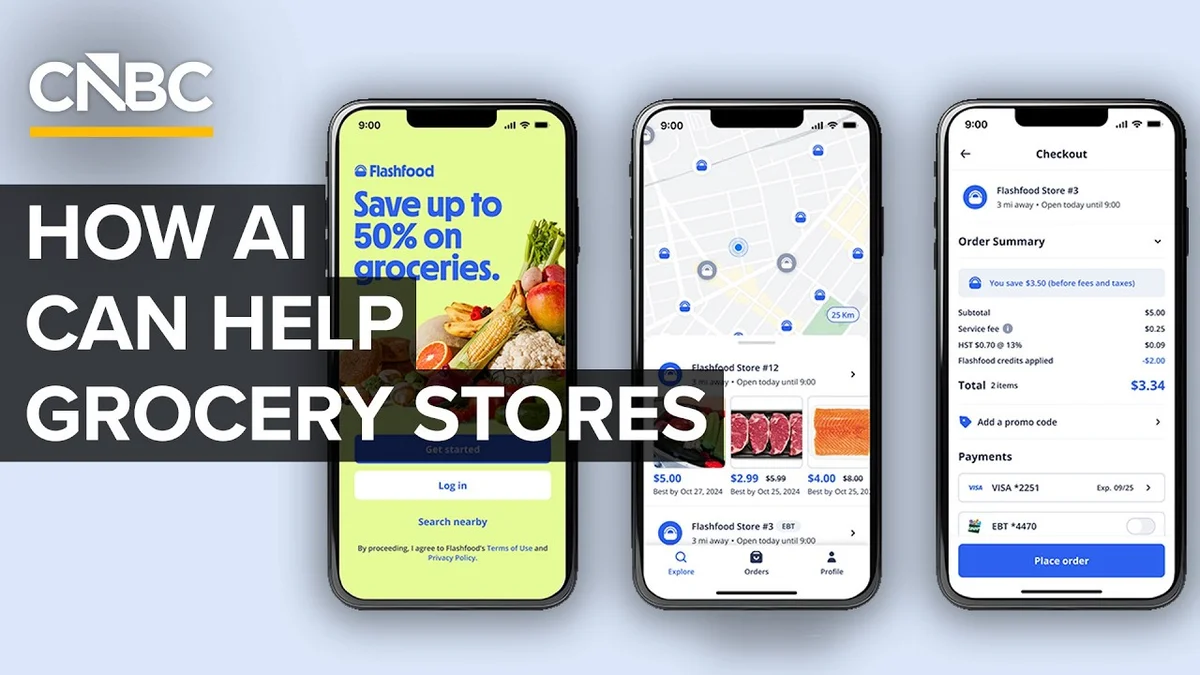
In an era of persistent inflation, consumers are becoming more strategic with their grocery spending. A recent JD Power survey reveals that 65% of adults feel that the price of goods is increasing faster than their income. This financial pressure is causing shoppers to cut back on non-essentials and visit more retailers to find the best deals, with 89% actively seeking discounts. This shift in consumer behavior is compelling traditional grocers to re-evaluate their strategies.
The Challenge of Food Waste
Beyond the immediate concerns of rising prices, the grocery industry faces a significant challenge with food waste. Estimates suggest that approximately 30% of food in American grocery stores is discarded annually, translating to a staggering $18.2 billion in lost value. This waste represents not only a financial drain on retailers but also a considerable environmental concern.
Flashfood: A Tech-Driven Solution
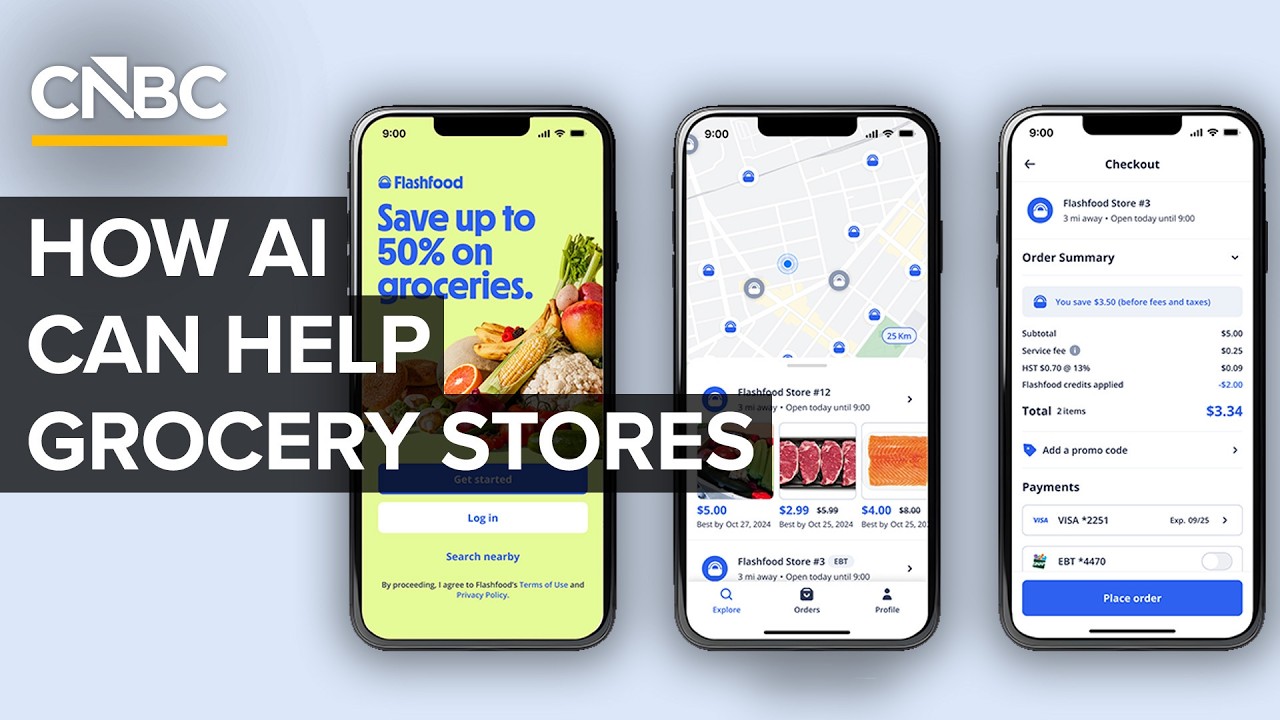
Enter Flashfood, a digital platform that partners with grocery stores to combat food waste and offer consumers significant savings. The app allows stores to list items nearing their best-by dates, often at discounts of up to 50%. This dynamic pricing model not only helps clear inventory but also provides a new revenue stream for otherwise lost products.
How Flashfood Works
Flashfood's platform monitors inventory, identifying items that are close to their expiration. Retailers can then use the app to implement dynamic pricing, offering these products at a reduced cost. This strategy benefits consumers by providing access to affordable groceries and helps retailers recoup some of the potential revenue loss from spoiled goods. Categories with tighter profit margins and higher risks of spoilage, such as fresh produce and baked goods, are particularly well-suited for this approach.
Impact on Retailers and Consumers
The partnership between Flashfood and major grocers like Kroger is demonstrating tangible results. Kroger, for instance, has seen a 27% reduction in revenue loss from expired goods by partnering with Flashfood. This data-driven approach provides retailers with crucial insights into consumer behavior and product turnover. It helps them understand what products are likely to sell, at what price point, and when they are nearing the end of their shelf life. This intelligence can inform decisions on purchasing, stocking, and promotional strategies.