


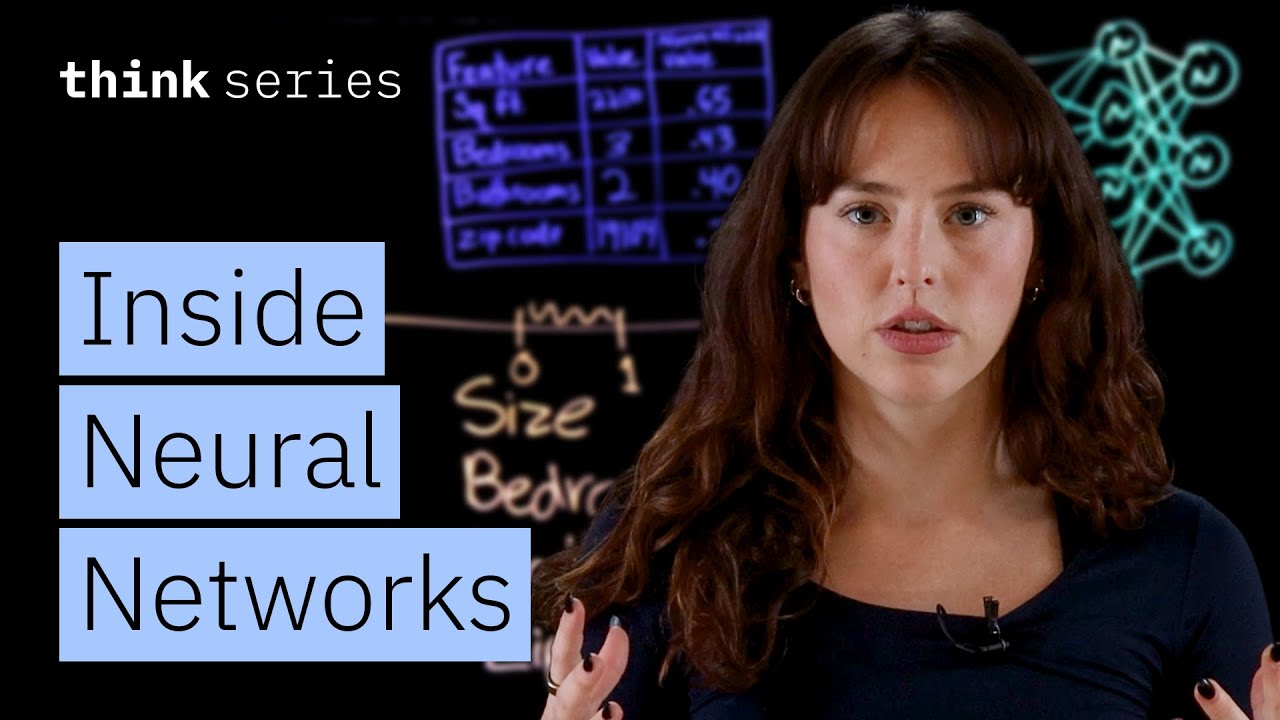
Artificial neurons, the fundamental units of neural networks, are surprisingly simple yet powerful. They are the bedrock upon which complex AI models are built, processing information in a way that echoes their biological counterparts. Understanding these building blocks is key to grasping how AI learns and functions. This exploration into Inside a Neuron: The Building Blocks of a Neural Network & AI, as detailed by IBM, demystifies this core concept.
The Neuron's Core Components
At its heart, an artificial neuron receives inputs, performs a calculation, and produces an output. Each input is associated with a 'weight,' representing its importance. A 'bias' is also added, which acts as an adjustable threshold.
The weighted sum of inputs, plus the bias, forms the neuron's net input. This value is then passed through an 'activation function.' This function determines the neuron's final output, deciding whether and how strongly it 'fires' in response to the input.
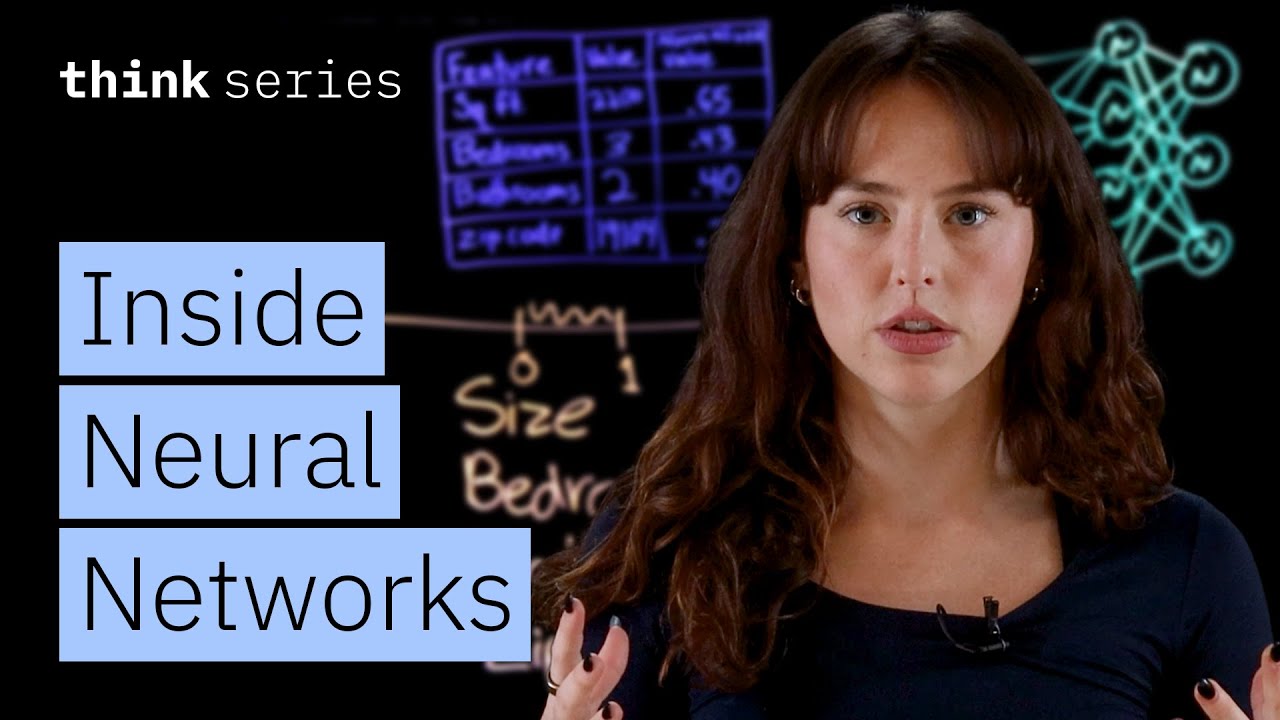
Activation Functions: Sigmoid and ReLU
Common activation functions include Sigmoid and ReLU (Rectified Linear Unit). Sigmoid squashes the output to a range between 0 and 1, useful for probabilities.
ReLU, on the other hand, outputs the input directly if it's positive, otherwise, it outputs zero. This simpler function often leads to faster training of AI models.