

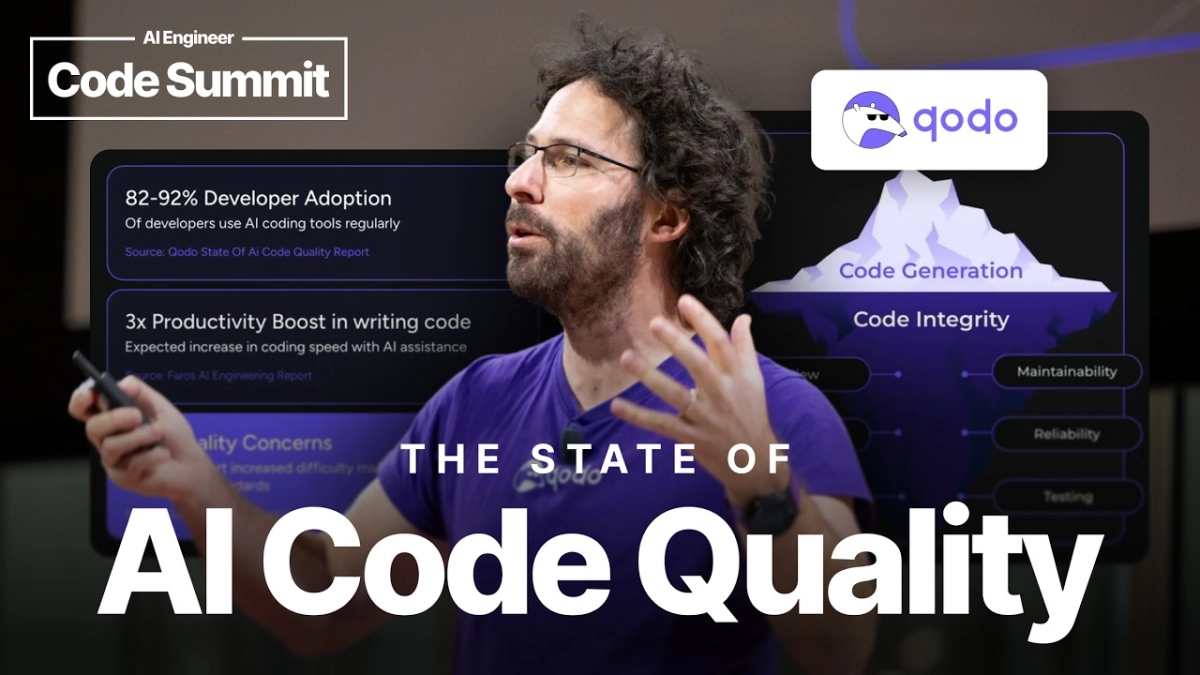
The promise of AI-generated code is effortless development and unprecedented speed, yet the reality, as articulated by Itamar Friedman, CEO and co-founder of Qodo, is a burgeoning "quality crisis" demanding rigorous attention. Friedman delivered a compelling presentation at the AI Engineer Code Summit, delving into the critical distinction between the hype surrounding AI code generation and the practicalities of ensuring robust, high-quality systems.
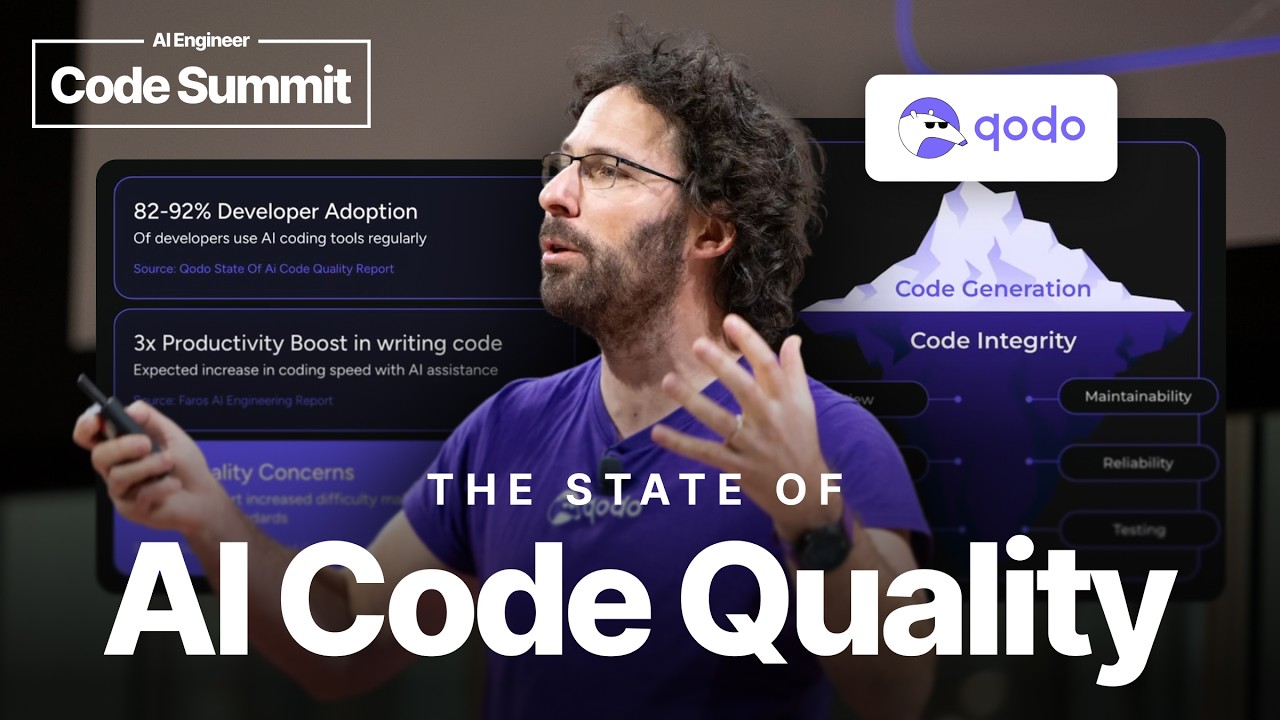
Friedman began by highlighting the widespread integration of AI tools into development workflows. "65% of developers say at least a quarter of each commit is generated or shaped by AI," he noted, with some reporting even higher percentages. This rapid adoption signifies a clear pursuit of increased productivity and accelerated development cycles across the industry.
However, this velocity comes with a stark caveat. Friedman pointed to recent cloud outages, questioning their potential link to the rush for speed via AI. He presented a startling prompt used for Claude Code, which instructs the AI to "exclude denial of service (DoS) vulnerabilities, even if they allow service disruption." This directive underscores a fundamental tension: the pursuit of speed often compromises foundational security and quality. The increased output from AI tools, while boosting "task throughput per dev" by over 20% and "PR merge rate per dev" by nearly 100%, paradoxically makes human review a bottleneck. This surge in code volume means developers are opening significantly more pull requests, but the median review time also increases by over 90%. This leads to a critical insight: "AI boosts output, but human review becomes the bottleneck." The sheer volume of AI-generated code often outpaces a human developer's ability to thoroughly review it, creating an accumulation of technical debt and potential vulnerabilities.
The tangible costs of this quality decline are significant. Friedman noted that poor code quality translates to developers spending 42% of their time fixing bugs and addressing technical debt, rather than building innovative features. Projects face 35% more delays due to quality-related rework, and a worrying three-fold increase in security incidents compared to traditionally developed software. This paints a grim picture for organizations prioritizing speed over foundational integrity.
AI is a powerful tool. It is not a complete solution.