

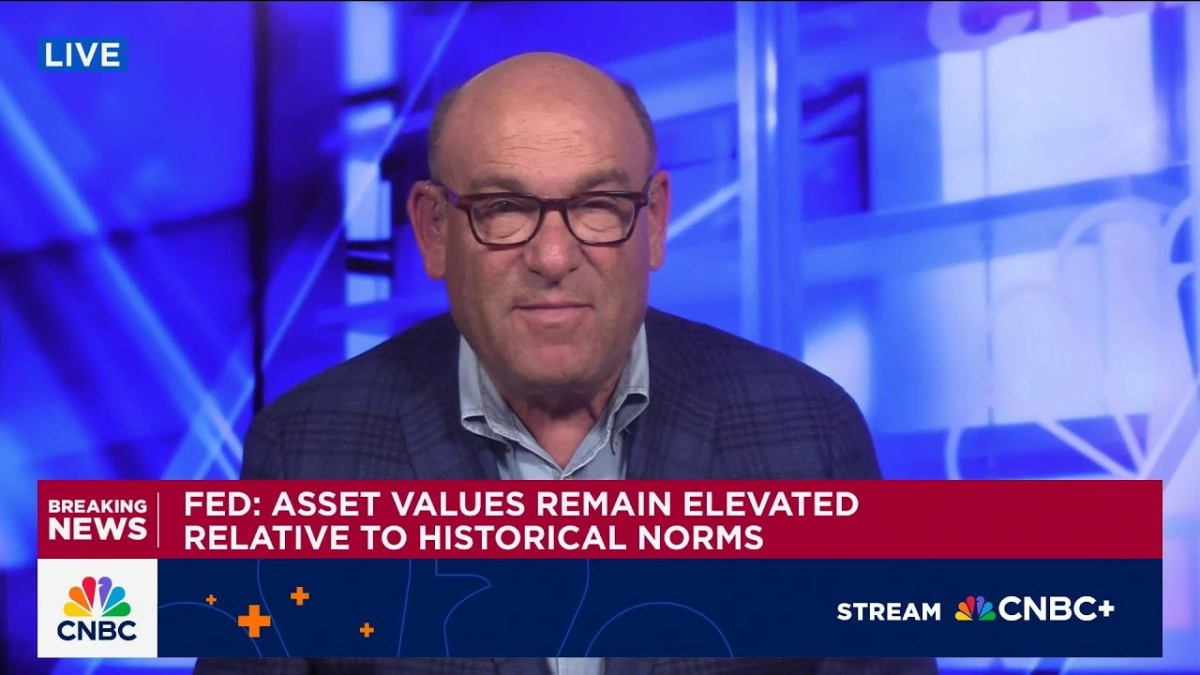
The Federal Reserve has sounded a stark warning about the burgeoning artificial intelligence sector, highlighting the potential for significant economic fallout should current valuations falter. This is not merely a passing observation but a clear signal from the central bank that the excitement around AI, while transformative, carries substantial systemic risks that warrant close scrutiny by investors, founders, and policymakers alike.
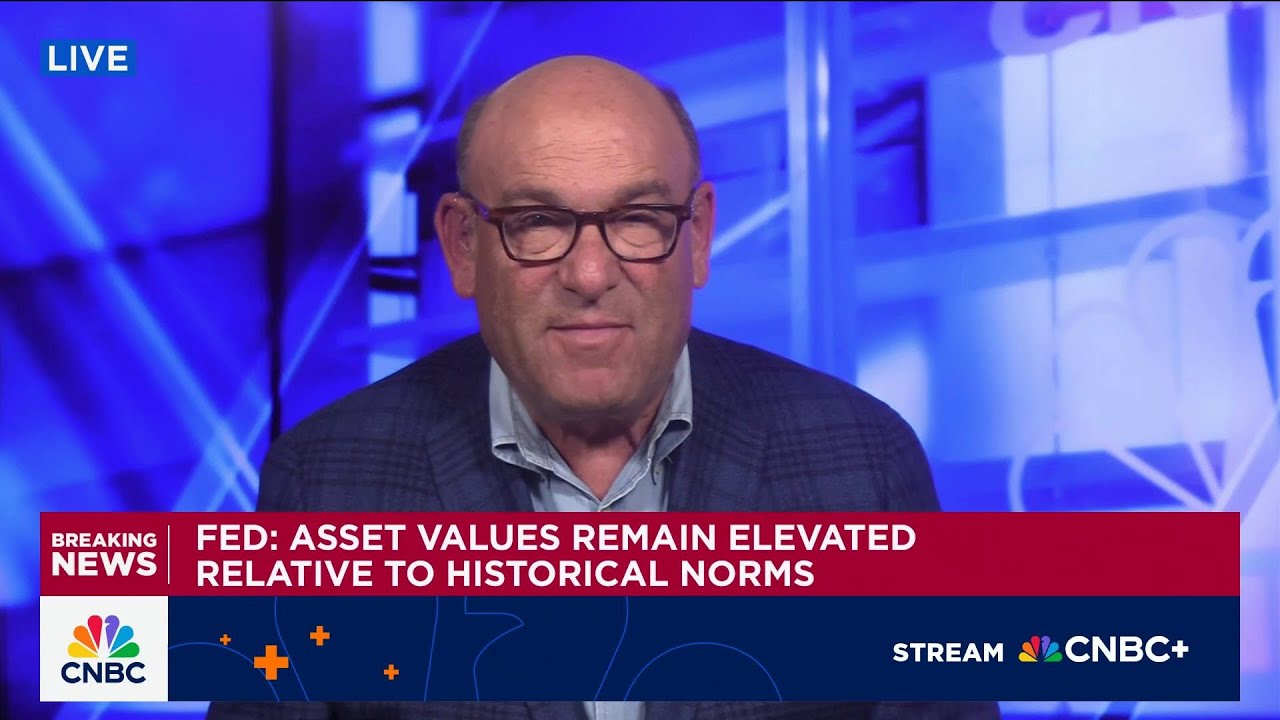
Steve Liesman, CNBC’s Senior Economics Reporter, spoke on 'Closing Bell Overtime' about the Federal Reserve's latest Financial Stability Report, detailing key risks to the financial system, particularly those emerging from the rapidly expanding AI sector. His commentary illuminated the Fed's concerns, which extend beyond traditional financial metrics to encompass the speculative fervor surrounding AI. The report is a twice-annual assessment, offering a comprehensive look at the vulnerabilities within the financial system, and this latest iteration places AI squarely in the spotlight as a potential destabilizing force.
A central insight from the Fed’s report, as conveyed by Liesman, is the explicit acknowledgment that "respondents are citing risk to the economy if these AI valuations suffer large losses." This statement moves the discussion beyond mere market speculation, framing a potential AI downturn as a broader economic threat. For founders navigating the current investment landscape and VCs deploying capital, this suggests a need for heightened due diligence, focusing not just on technological promise but also on sustainable business models and realistic valuation benchmarks. The current enthusiasm, while fueling innovation, could also be inflating a bubble, and the Fed is clearly wary of the consequences if it bursts.
Beyond the valuation concerns, the report also delves into the operational risks presented by AI, specifically in the realm of algorithmic trading. Liesman noted an "interesting box in this report about algorithmic trading driven by AI," indicating that the Fed sees both opportunities and dangers. The concern is that AI-driven algorithms "could engage in sophisticated market manipulation, saying there's good and bad stuff coming to financial markets from AI." This dual nature of AI presents a complex challenge: while it promises efficiency and new trading strategies, it also introduces novel vectors for systemic instability and potentially unethical practices. Tech insiders and defense/AI analysts must consider the implications for market integrity and the potential for unintended consequences in increasingly automated financial systems.
The Fed’s apprehension regarding AI valuations is situated within a broader context of elevated asset values. Liesman reported that "asset values remain elevated relative to historical norms," suggesting that the AI boom isn't an isolated phenomenon but rather part of a wider trend of potentially overstretched market pricing. This macro-level observation means that any significant correction in AI valuations could cascade through other asset classes, exacerbating a downturn. Startup ecosystem leaders should view this as a call for caution, understanding that the broader market environment is already sensitive, making the AI sector's volatility a magnified concern.