
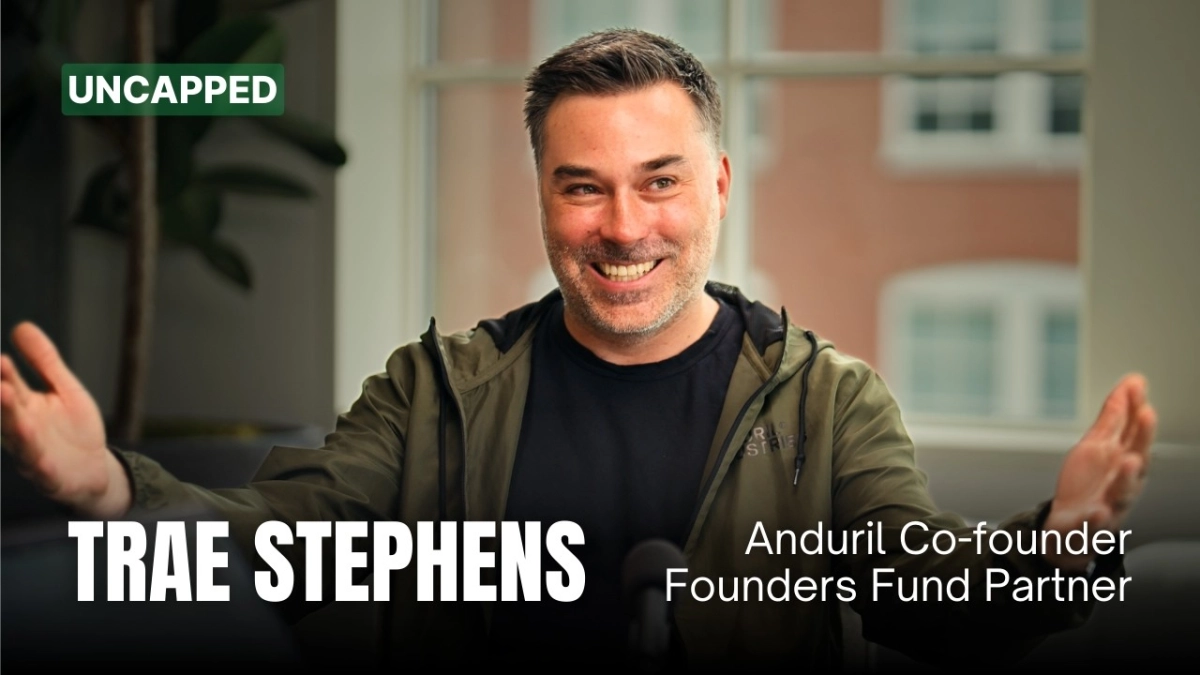
The advent of artificial intelligence has ushered in an era of unprecedented technological possibility, yet it also presents a profound challenge: distinguishing between genuine progress and mere distraction. As Trae Stephens, co-founder and Executive Chairman of Anduril and Partner at Founders Fund, articulated on the Uncapped podcast with Jack Altman, "The distorting characteristics of AI have less to do with the ability to do interesting hard things and it has much more to do with how easy it is to do uninteresting, unhard things." This insight, drawn from Stephens’ influential blog post on "Good Hard Quests," forms the bedrock of a compelling conversation that delves into the ethical, strategic, and operational complexities facing founders, investors, and policymakers in the AI age. Stephens, speaking with Altman, offered sharp analysis on hard tech, the future of warfare, AI morality, and Founders Fund’s distinct investing philosophy.
In the current AI landscape, Stephens observes a proliferation of "whiteboard founding," where entrepreneurs leverage large language model APIs to tackle highly specific, often superficial tasks. This rapid influx into easily accessible domains creates "a battle to the death in a really highly consensus category." Such ventures, while potentially lucrative for some, represent the antithesis of a "good quest." The true cost, Stephens argues, lies in the misallocation of talent. "If we take all of our level 100 players and we put them on AI slop companies, what does that mean for all of the things that aren't being done at the same time?" This "distracting distortion effect" diverts humanity’s most capable minds from foundational challenges like semiconductor fabrication, which could genuinely advance society.