

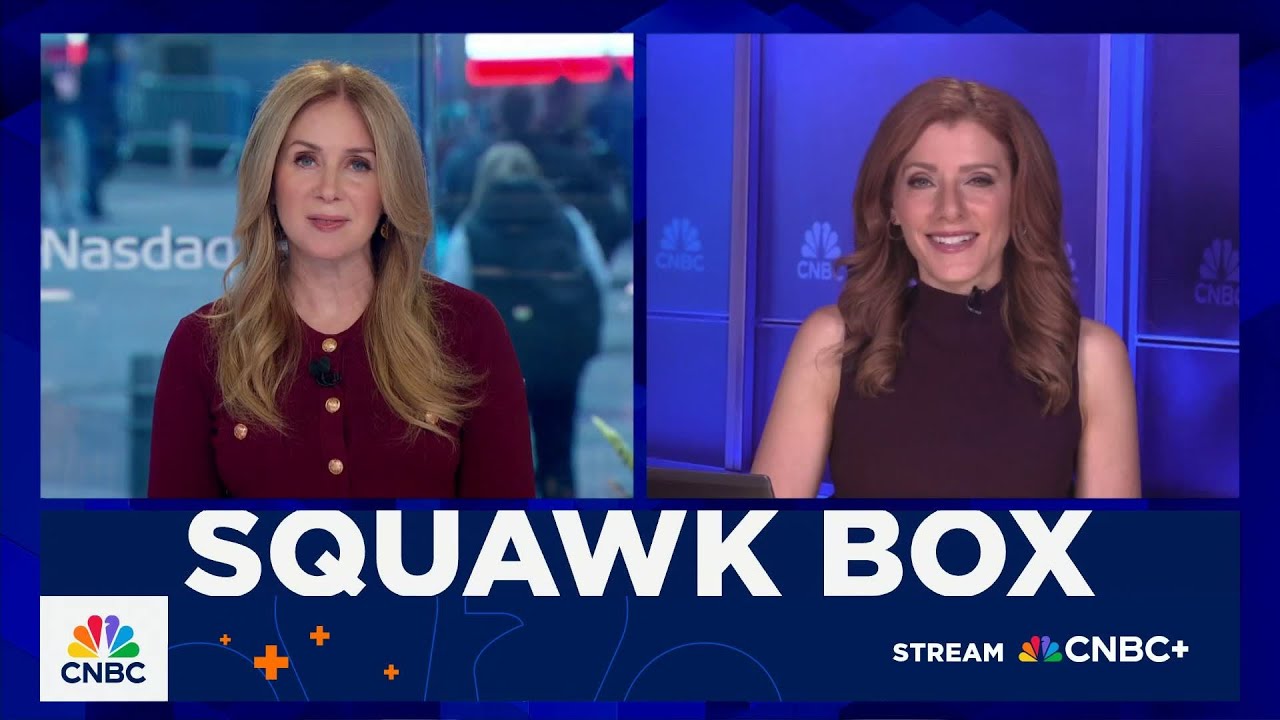
The holiday shopping season has become an unexpected proving ground for artificial intelligence, with AI agents rapidly transitioning from mere information providers to integral transactional platforms. As CNBC’s Senior Media & Technology Correspondent Julia Boorstin articulated in a recent segment on “Squawk Box,” AI is fundamentally reshaping consumer behavior, stating directly, "AI is taking over gift research and shopping this holiday season." This shift signals a profound transformation in e-commerce and a nascent, yet intense, competition among AI developers to capture the burgeoning market for AI-assisted purchases.
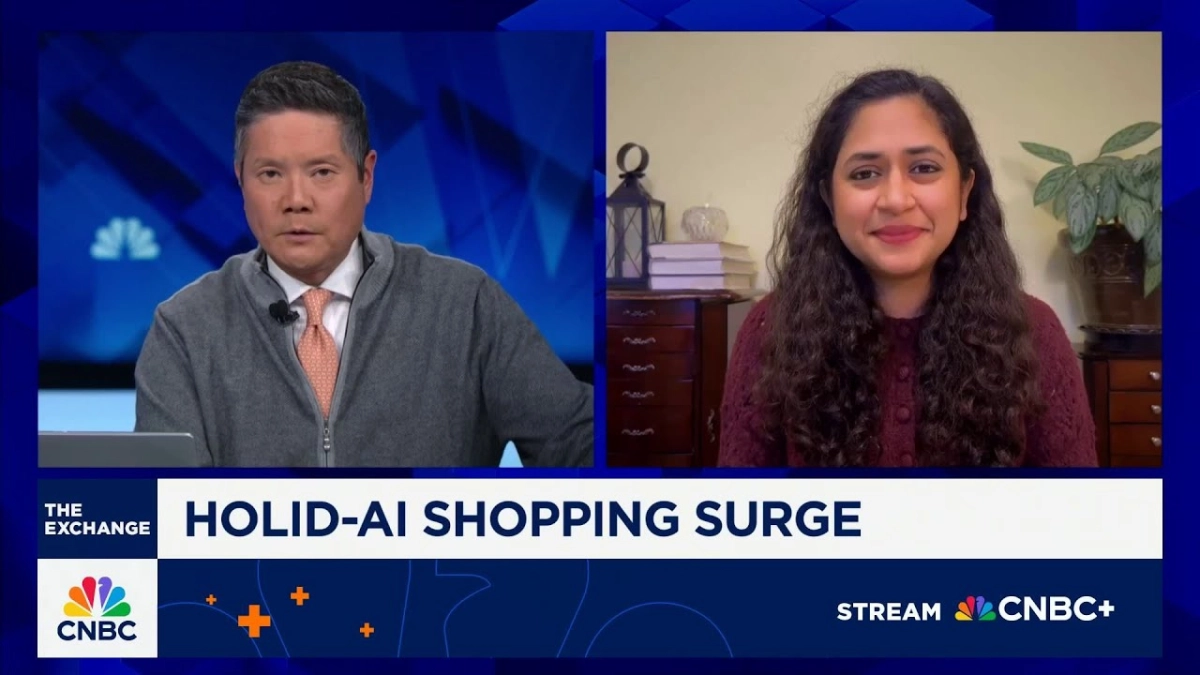
Boorstin, speaking with CNBC’s Becky Quick, illuminated the accelerating adoption curve of AI in retail. According to Accenture data cited in the report, a remarkable 77% of shoppers anticipate leveraging AI for holiday shopping assistance by 2025, a significant leap from just 40% in 2024. This rapid mainstreaming underscores not only consumer willingness but also a growing expectation for AI-powered convenience and personalization in their purchasing journeys. The implications for founders and VCs are clear: the window for establishing dominance in AI-driven commerce is now, and early movers are aggressively staking their claims.
Adobe Analytics further amplifies this trend, forecasting an astounding 520% increase in traffic directed to retail sites from AI platforms this holiday season. This surge in referral traffic represents a tangible and immediate impact on retailer bottom lines, highlighting AI's capacity to act as a powerful conduit for demand generation. Salesforce, in its own projections, anticipates that AI and AI agents could drive a staggering 21% of all global holiday orders this year, translating to an estimated $263 billion in sales. This is not merely an incremental improvement; it’s a re-architecting of the commerce value chain, with AI platforms positioning themselves to intercept and facilitate a substantial portion of consumer spending.
A crucial insight from the discussion centers on the evolving monetization strategies of leading AI firms. OpenAI, for instance, has strategically forged partnerships with major retail and payment players including PayPal, Walmart, Etsy, Shopify, and Target. These collaborations are designed to streamline the purchasing process directly within OpenAI's ecosystem. Boorstin noted that OpenAI "will take a small fee from purchases" facilitated through its app, a clear move towards establishing a direct revenue stream from transactions. This model extends beyond simple referral fees; it's about embedding AI as an indispensable layer in the transaction flow, capturing value at the point of sale.
The competitive landscape is heating up, with tech giants and innovative startups vying for user engagement in this new paradigm. Google’s Gemini, for example, is rolling out a suite of shopping-centric features. These include AI-powered virtual try-on, sophisticated price tracking capabilities, and even the ability for Gemini to complete purchases on behalf of users. Furthermore, for those who prefer physical retail, Gemini can call ahead to stores to verify item availability, bridging the gap between digital discovery and in-person fulfillment. This suite of tools underscores a comprehensive effort to make Gemini an end-to-end shopping assistant.
Similarly, AI search tool Perplexity is entering the fray, launching a free AI-agnostic shopping tool in partnership with PayPal. This initiative allows users to purchase items from over 5,000 merchants directly within the Perplexity platform. Such integrations signify a broader trend where AI interfaces are becoming less about searching for information and more about executing complex tasks, including direct commerce. The battleground is shifting from who has the best search results to who can most seamlessly facilitate the entire shopping journey, from discovery to purchase.
Related Reading
- AI Fuels Dark Web Sophistication and Holiday Scams
- Agentic AI Rewrites the Rules for Real-Time Sports Fan Engagement
- PydanticAI and Temporal Forge Durable, Type-Safe AI Agents
The strategic play here extends beyond direct transaction fees. As Boorstin highlighted, the ability to drive purchases directly also serves as a potent magnet for advertisers. "The better you are at driving purchases, the more you're going to be able to get advertisers to spend on your platform," she explained. This creates a powerful flywheel effect: increased user engagement leads to more transactions, which generates valuable first-party data, enabling more effective targeted advertising, and ultimately attracting more advertising spend. For AI professionals, this implies a future where AI models are not only optimized for conversational fluency but also for conversion rates and advertising efficacy.
This dynamic marks a significant evolution for the AI industry. It’s no longer just about developing powerful foundational models; it’s about integrating those models deeply into commercial ecosystems and creating new avenues for value capture. Startups in this space must focus on building robust, trustworthy, and user-friendly purchasing flows, while VCs will be scrutinizing companies with clear monetization strategies that can scale with this surging consumer demand. The current holiday season is merely the opening act for AI's full potential in transforming global commerce.

