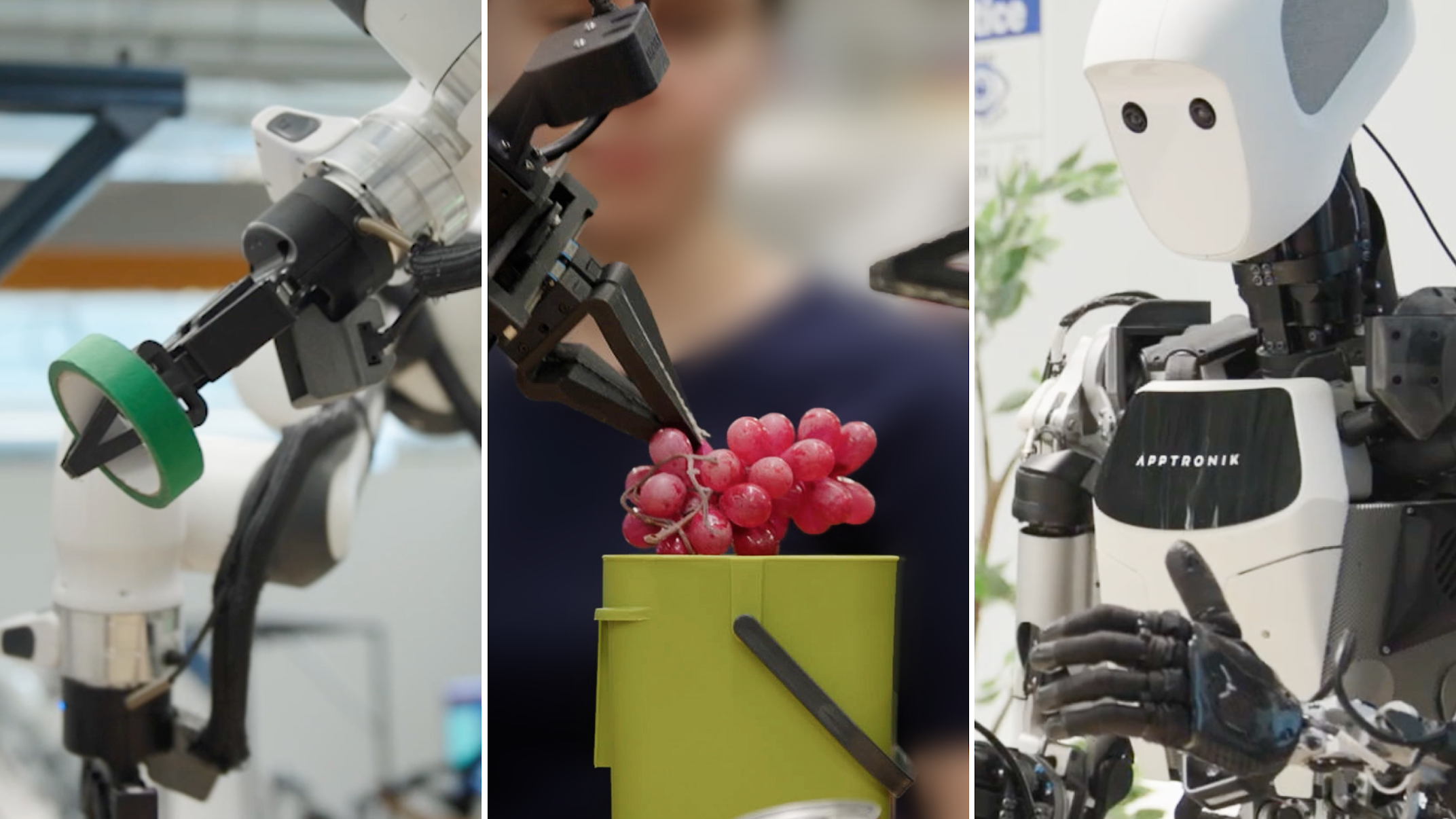
Gemini Robotics 1.5 isn't just another software update; it's a bold declaration that AI agents are breaking free from their digital confines and stepping squarely into the physical world. This isn't about incremental improvements to robotic arms or autonomous vehicles. According to the announcement, Gemini Robotics is pushing the frontier of embodied AI, aiming to imbue robots with the kind of adaptive intelligence traditionally reserved for large language models, but now grounded in the messy, unpredictable reality of our physical environment.
For years, the dream of truly autonomous robots has been hampered by a fundamental disconnect: powerful AI excels in digital simulations, but struggles with the nuanced, often chaotic demands of the real world. Robots have been brilliant at repetitive, pre-programmed tasks in controlled environments. Ask them to adapt to an unexpected obstacle, understand a vague command, or generalize a skill to a new context, and they often falter. Gemini Robotics 1.5, with its focus on 'Gemini Robotics AI agents,' aims to bridge this chasm.
The core idea behind these Gemini Robotics AI agents is to move beyond mere automation to genuine agency. Instead of following a rigid script, an AI agent is designed to perceive its environment, understand high-level goals, plan its actions, execute them, and adapt based on real-time feedback. Think less "robot arm picks up widget A" and more "robot understands 'prepare the workspace for assembly' and figures out the necessary steps." This requires a sophisticated blend of advanced perception (vision, touch, audio), robust reasoning, and the ability to learn and generalize from experience, all while operating within the constraints of physical laws and safety protocols.
The Embodied Intelligence Challenge
The technical hurdles here are immense. Translating abstract AI concepts into precise physical movements, dealing with sensor noise, managing power consumption, and ensuring safety around humans are problems that have plagued robotics for decades. Gemini Robotics' claim suggests a significant leap in how their AI models are integrated with robotic hardware, allowing for more fluid, context-aware interactions. This likely involves advancements in real-time planning algorithms, improved sensor fusion, and perhaps a more robust way of grounding large language models (LLMs) in physical actions, allowing robots to interpret natural language commands and translate them into a sequence of physical tasks.
The implications for industry are profound. Manufacturing, logistics, and even hazardous environment exploration could see a dramatic shift. Imagine warehouses where robots don't just move boxes along predefined paths but dynamically reconfigure layouts, troubleshoot minor equipment failures, or assist human workers with complex, non-routine tasks. This could unlock unprecedented levels of flexibility and efficiency, moving beyond the current paradigm of highly specialized, single-purpose robots.