

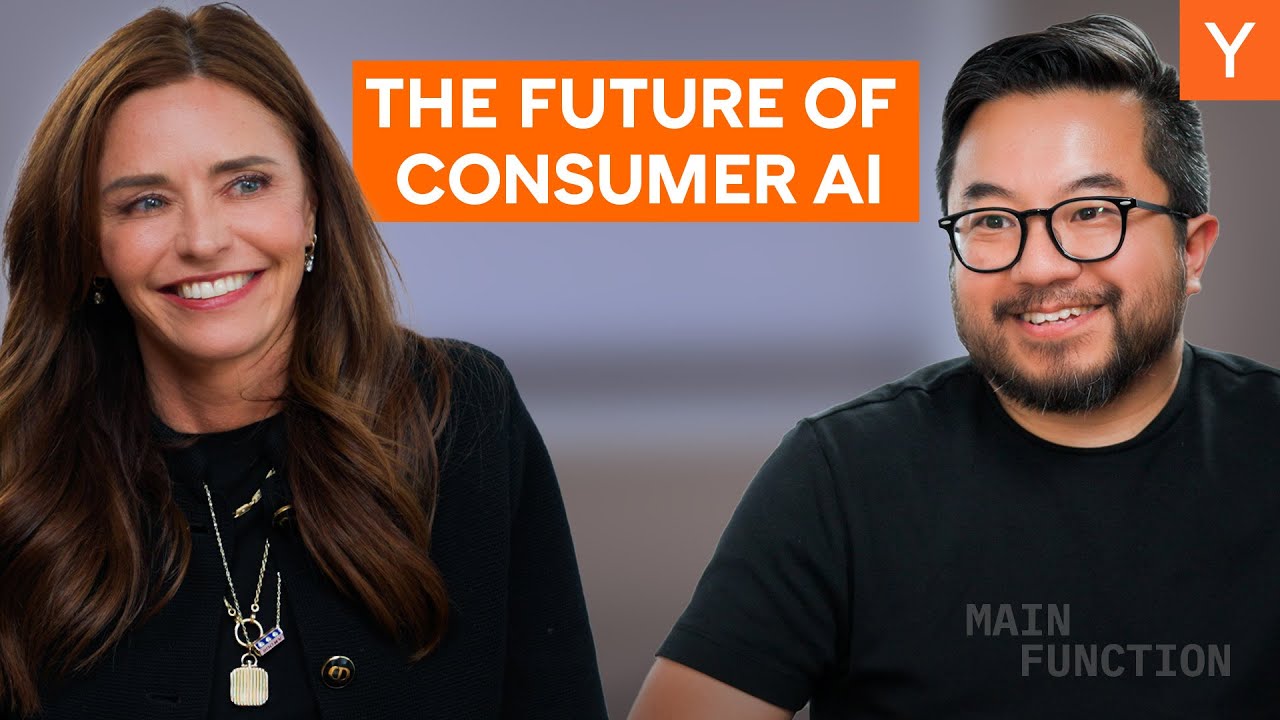
"This is really a platform shift. This is more than just the advancements of technology, I think it sets like a whole new paradigm for what's possible." So states Kirsten Green, founder of Forerunner Ventures, a legendary consumer VC firm, in a recent conversation with Garry Tan, President & CEO of Y Combinator, on the "Main Function" series. Their discussion illuminated the transformative potential of artificial intelligence for consumer products, emphasizing that while the technology is groundbreaking, the enduring principles of building great businesses remain steadfast.
Green, known for backing iconic brands from Warby Parker to Dollar Shave Club, underscored a foundational truth: product still wins. Amidst the allure of marketing hacks and viral campaigns, she advises founders to "nail your product." In an increasingly crowded digital landscape, the core question is not how to market, but "Why do they need your product? Why are they going to come back to your product?" The answer lies in delivering something truly outstanding that genuinely meets a human need, making the consumer's choice to engage an organic one.
The current wave of AI is not merely an incremental technological leap; it heralds a profound shift in how consumers interact with digital tools. Green observes, "We've moved from outcomes and attention into an area of relationships and affection." This evolution is powered by AI's newfound ability to retain memory and personalize experiences over time, moving beyond single transactional interactions. It’s about building a dynamic, evolving connection, much like human relationships.
Indeed, the rapid consumer adoption of AI, exemplified by ChatGPT's unprecedented growth, clearly demonstrates an overwhelming public appetite for these advancements.
This era of consumer AI is characterized by a "messy creative stage," a period ripe for bold experimentation. Founders should embrace this fluidity, trying numerous approaches and iterating rapidly. The focus should be on going back to "first principles": what fundamental human problem are you solving, and how can AI uniquely address it? This authentic problem-solving, rather than simply layering AI onto existing concepts, will distinguish enduring products. Distribution and marketing, while important, must stem from a deeply valuable product. Consumers are savvy; they discern genuine utility from mere marketing ploys.