

• StartupHub.ai
    StartupHub.aiAI Intelligence
Discover
  • Home
  • Search
  • Trending
  • News
Intelligence
  • Market Analysis
  • Comparison
  • Market Map
Workspace
  • Email Validator
  • Pricing
Company
  • About
  • Editorial
  • Terms
  • Privacy
  1. Home
  2. News
  3. Vibe Coding Redefines Ai Code Generation
Back to News
Ai research

Vibe Coding Redefines AI Code Generation

Startuphub.ai Staff
Startuphub.ai Staff
Oct 17, 2025 at 2:17 AM3 min read
Vibe Coding Redefines AI Code Generation

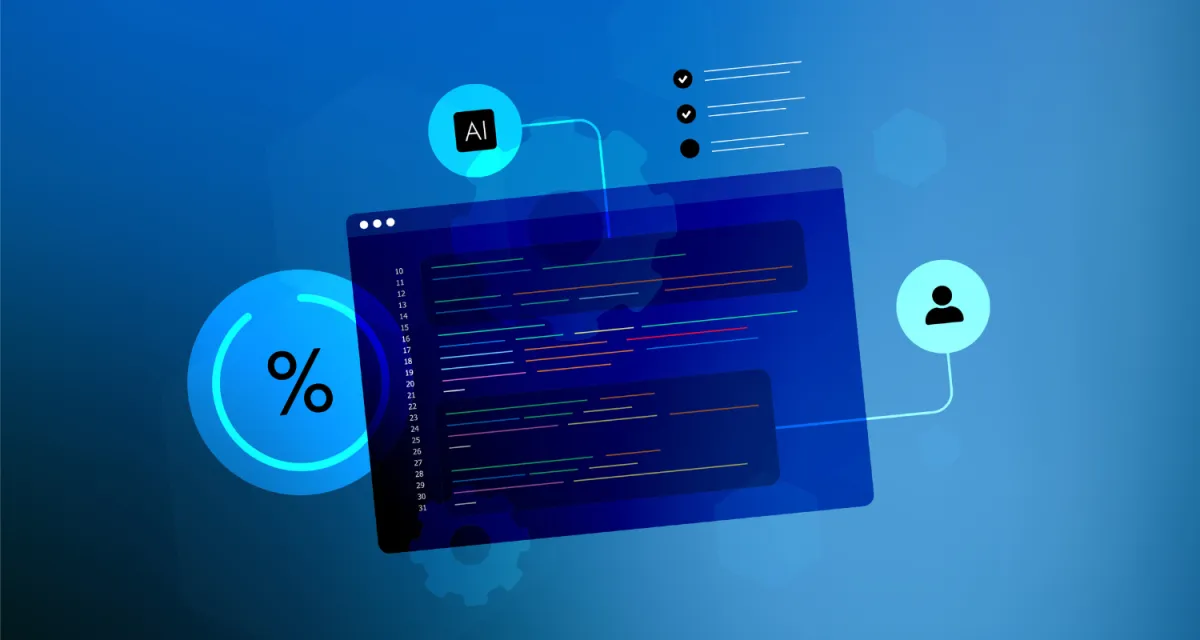
A new paradigm for software development, dubbed "vibe coding," has emerged, promising to democratize app creation and accelerate product launches. Coined by former Tesla AI director Andrej Karpathy in February 2025, this approach leverages large language models (LLMs) to generate functional code from natural language descriptions, minimizing the need for extensive human review. This shift represents a significant evolution in AI code generation, moving beyond mere assistance to autonomous code creation based on intuitive user input.

The core appeal of vibe coding lies in its ability to drastically reduce development timelines and lower the barrier to entry for non-technical founders. According to the announcement, traditional software development cycles, often spanning months or even a year, are streamlined by automating the coding phase. This allows startups and small to medium-sized businesses (SMBs) to rapidly prototype, test, and iterate, gaining a crucial edge in competitive markets. For entrepreneurs without deep technical backgrounds, vibe coding transforms abstract ideas into working applications, fostering innovation across diverse sectors.

A growing ecosystem of tools supports this new methodology, expanding the practical applications of AI code generation. Platforms like Agentforce Vibes, Anypoint Code Builder, Windsurf, Cursor, and Claude Code are designed to facilitate the intuitive description-to-code workflow. These tools enable the creation of a wide array of digital products, from simple websites and internal operational tools to basic e-commerce functionalities, data analysis dashboards, and even mobile app prototypes. The versatility suggests a future where custom software is no longer exclusive to those with specialized coding expertise.

The Nuances of AI Code Generation

While the promise of vibe coding is compelling, its effective implementation demands a nuanced understanding of its capabilities and limitations. The intuitive nature of describing project goals to an LLM requires precise articulation; vague instructions will inevitably lead to suboptimal or incorrect code. Crucially, generated code, despite its sophistication, is not infallible. It necessitates thorough testing and a readiness for iterative refinement, as LLMs can still produce inaccuracies or "hallucinations." The human element remains vital in defining clear objectives, monitoring output, and ensuring the final product meets functional and quality standards.

The rise of vibe coding signals a profound shift in the software development landscape, particularly for the role of developers. Rather than diminishing their importance, this evolution redefines it, moving developers towards higher-level architectural design, complex problem-solving, and critical oversight of AI-generated solutions. It fosters an environment of iterative development and flexibility, allowing businesses to adapt quickly to market changes or user feedback. This paradigm positions AI code generation not as a replacement for human ingenuity, but as a powerful augmentative force, enabling faster innovation and broader accessibility across the industry.

#Andrej Karpathy

AI Daily Digest

Get the most important AI news daily.

GoogleSequoiaOpenAIa16z
+40k readers