

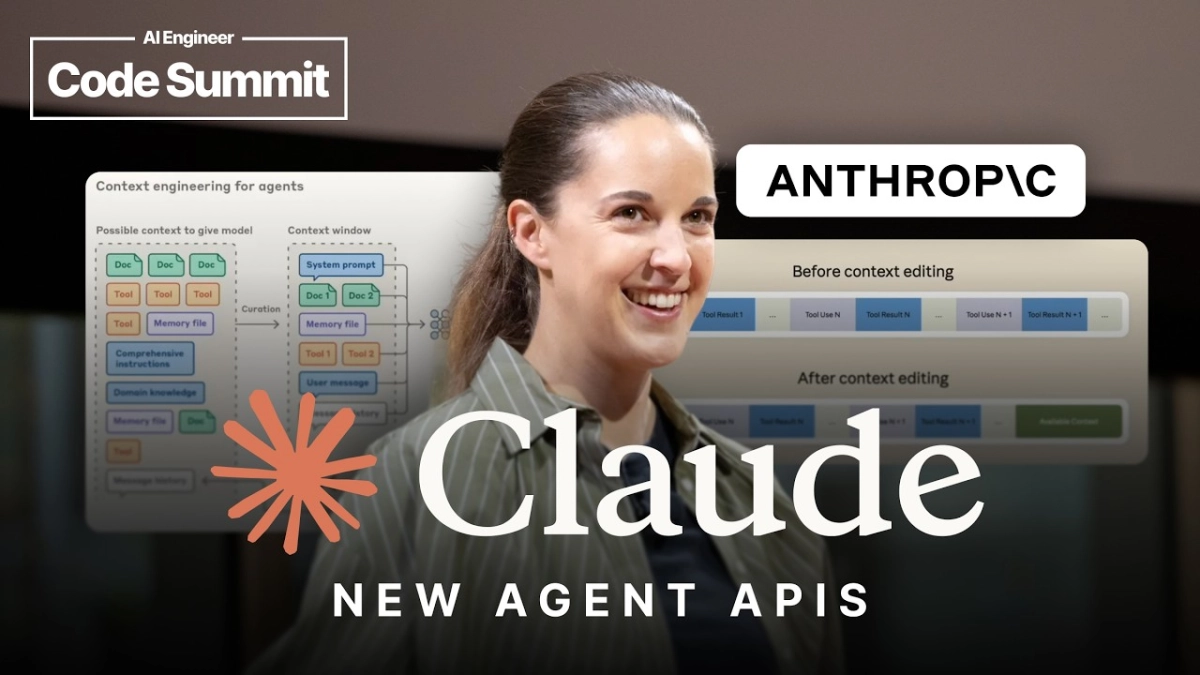
"As a developer, my creativity ends at some point. I can only think of so many use cases, but the model, like anything, anything somebody comes with, the model will figure out a way to go do that thing." This insight from Brad Abrams, Head of Product for the Claude Developer Platform at Anthropic, encapsulates the core philosophy driving the evolution of AI agents: empowering the model's inherent intelligence by removing unnecessary constraints. In a recent discussion, Abrams, alongside Alex Albert (Claude Relations) and Katelyn Lesse (Head of Engineering for the Claude Developer Platform), delved into Anthropic's strategic shift towards building more autonomous and capable AI agents, emphasizing the critical role of their newly expanded developer platform.
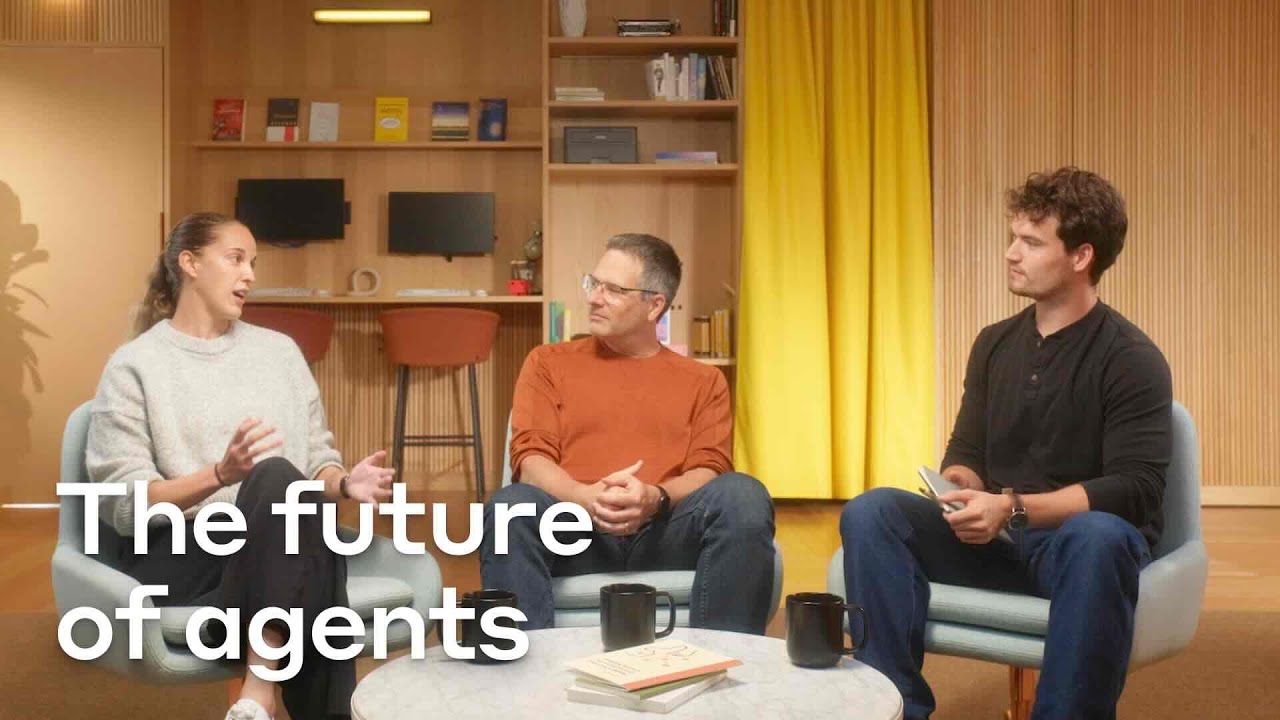
The conversation provided a comprehensive look at the Claude Developer Platform, which recently underwent a significant rebranding from the simpler "Anthropic API." Katelyn Lesse highlighted that the platform now encompasses a full suite of tools, including APIs, SDKs, extensive documentation, and console experiences, designed to provide developers with "everything that a developer needs to actually build on top of Claude." This robust ecosystem not only serves external customers worldwide who are striving to "raise the ceiling of intelligence" using Claude but also underpins Anthropic's internal product development, ensuring a cohesive and battle-tested foundation.
Brad Abrams elaborated on the platform's journey, noting its rapid expansion over the past year. What began as a very simple API has grown to include advanced features such as prompt caching, a dedicated batch API, server-side web search and web fetch capabilities, and robust context management support, including code execution. This evolution reflects a growing understanding within Anthropic that the model's capabilities extend far beyond simple conversational interactions, requiring a platform that facilitates complex, multi-step operations.
The discussion quickly converged on the concept of AI agents. Abrams acknowledged the term's "buzzword" status but clarified Anthropic's precise definition: an agent is where "the model is taking some autonomy to be able to choose what tools to call, to call those tools, to handle the results, and kind of choose the next step." This emphasis on the model's ability to reason and make independent decisions is central to their vision.
A critical insight shared was the idea of "unhobbling the model." Traditional approaches often involve extensive scaffolding and predefined workflows, which, while useful in some cases, can inadvertently restrict the model's full potential. As Abrams explained, if you build a workflow with a lot of scaffolding, "you kind of put bounds on the model," potentially preventing it from leveraging the intelligence gains of new model releases. The goal is to provide the model with the necessary tools and then allow it the freedom to determine the optimal path for task completion.