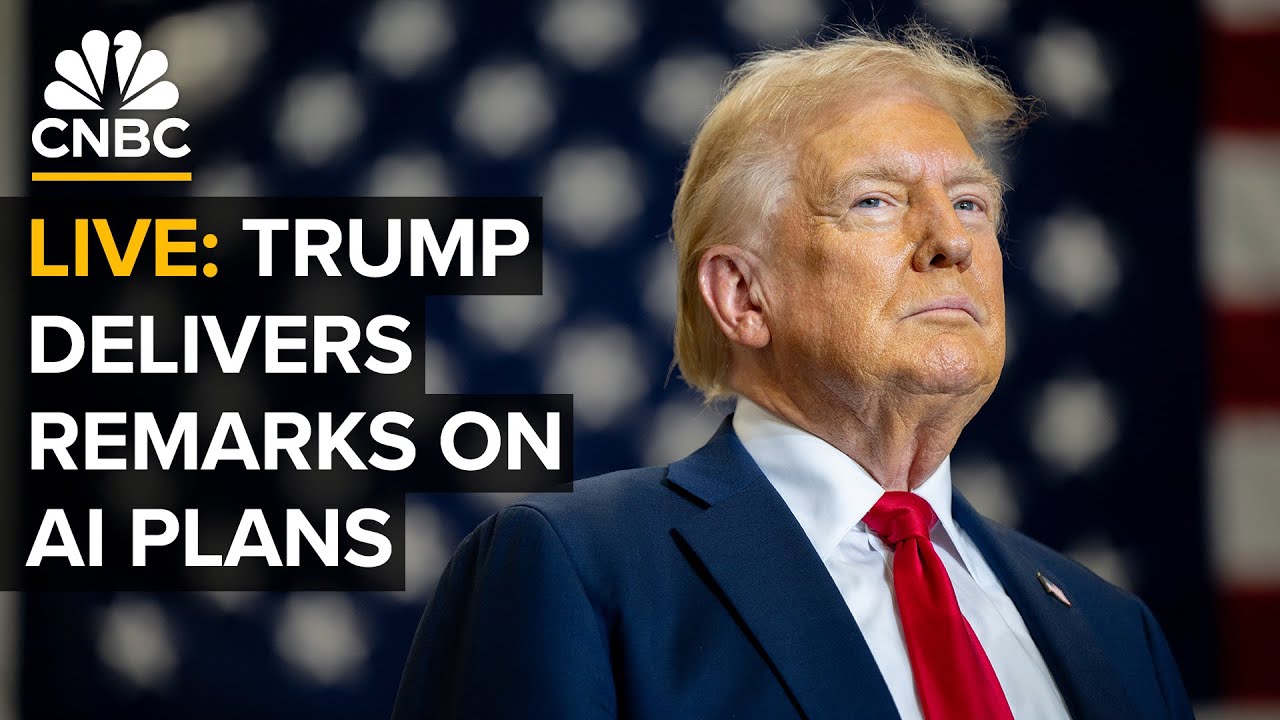
The future of artificial intelligence, a realm of both boundless opportunity and profound challenge, took center stage as President Trump outlined his administration's strategic vision. His remarks underscored a dual imperative: securing America's global dominance in AI development while simultaneously addressing the profound ethical and societal implications of this transformative technology.
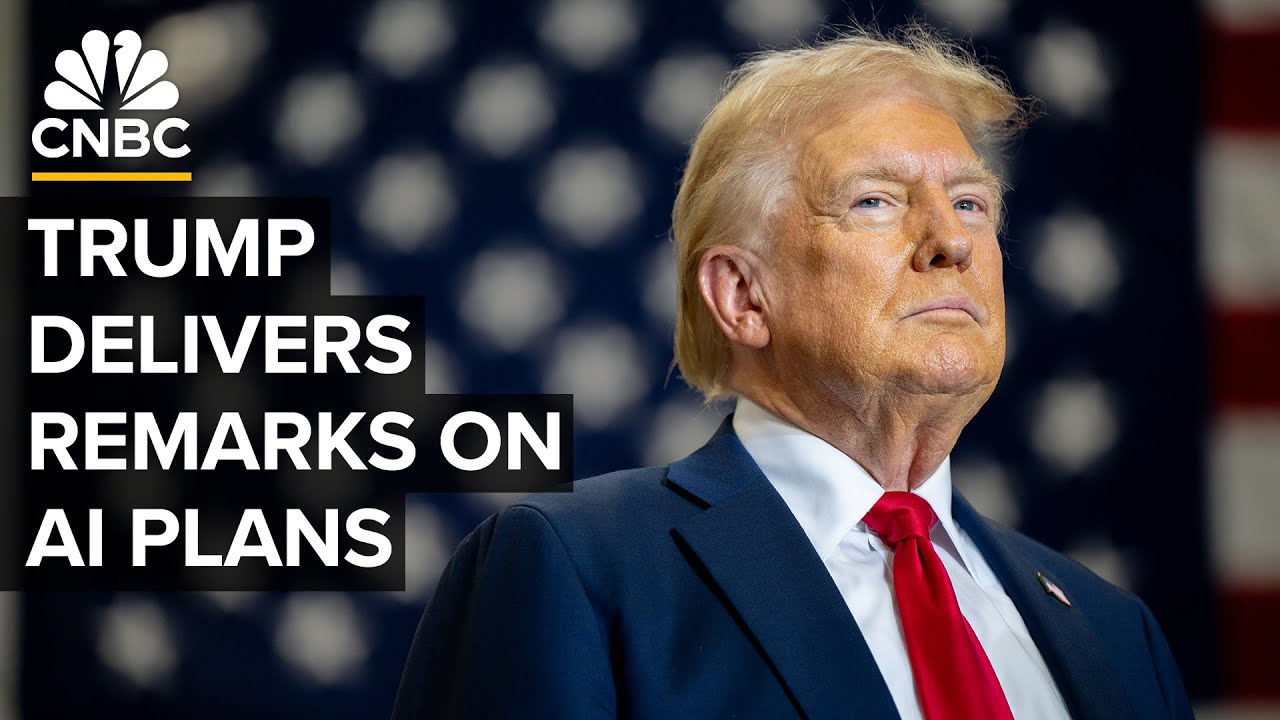
At an AI summit in Washington, D.C., President Trump delivered remarks outlining his administration's comprehensive plan for the responsible and innovative use of artificial intelligence. The address, keenly observed by founders, venture capitalists, and defense strategists, painted a picture of a proactive government aiming to foster growth rather than stifle it. A central tenet of the plan emphasized the critical balance between accelerating technological advancement and establishing guardrails to ensure safety and ethical deployment.
One core insight from the President’s address was the unwavering commitment to maintaining American leadership in AI. "We will ensure America remains the undisputed global leader in AI innovation," President Trump declared, signaling a clear intent to prioritize domestic research, development, and talent cultivation. This emphasis on national competitiveness suggests continued investment in STEM education and incentives for private sector R&D, positioning the United States as the nexus for cutting-edge AI breakthroughs.
The administration’s plan also heavily weighted national security. The President highlighted AI’s indispensable role in modern defense and intelligence, stressing the need for the U.S. to leverage AI for military advantage and cybersecurity resilience. This strategic focus resonates deeply with defense and AI analysts, who recognize that a technological edge in AI is paramount for geopolitical stability.
Another significant insight revolved around the regulatory approach. Rather than imposing heavy-handed regulations that could stifle innovation, the administration appears to favor a framework that encourages rapid development while still addressing potential risks. "Our approach prioritizes both American competitiveness and the ethical deployment of this transformative technology," the President noted, suggesting a nuanced stance that seeks to empower the private sector while maintaining oversight on critical areas like data privacy and algorithmic bias. This is a critical point for startup founders, who often fear regulatory burdens.