



Smart cities, those integrated with IoT and technological solutions to enhance their urban living environment, are on the core agenda for municipalities all over the world. The smart cities market was valued at $50 billion last year and is expected to reach a $1.56 trillion market value by 2025. Hundreds of cities have strategic initiatives put forth to enhance their urban environment. Chicago’s Array of Things project is wiring the city with environmental and congestion sensors; The Hague has auto-adjusting street lamps that senses pedestrians; Barcelona provides drivers with a real-time map of vacant parking spaces; and Seoul has solar powered trash bins that use machine learning to optimize the waste collection routes.
The collected civic data is a strategic asset that moves the industry forward and provides cities with the ability to make the transformational leap to become truly smart. A large majority of tier 1 cities in the US today have started to recognize the potential of their data and built open data programs to stimulate innovation and urban development. But the concept of open data is struggling due to the unstructured nature of municipal data. Access to high quality data is known to be a core problem of every smart city developer (startup, enterprise, researcher, etc.). In fact, scaling from one city to another requires enduring and tedious process of utilizing datasets for every municipality from scratch.
Israeli startup, Urbanico, solves this problem with their smart city data marketplace. Using a standardization layer powered by natural language processing (NLP) and machine learning, Urbanico connects municipalities with external smart city developers to build smart city solutions. The platform enables developers to use civic data in order to rapidly scale their solution to new cities, build a data-driven decision-making processes and expedite their R&D projects.
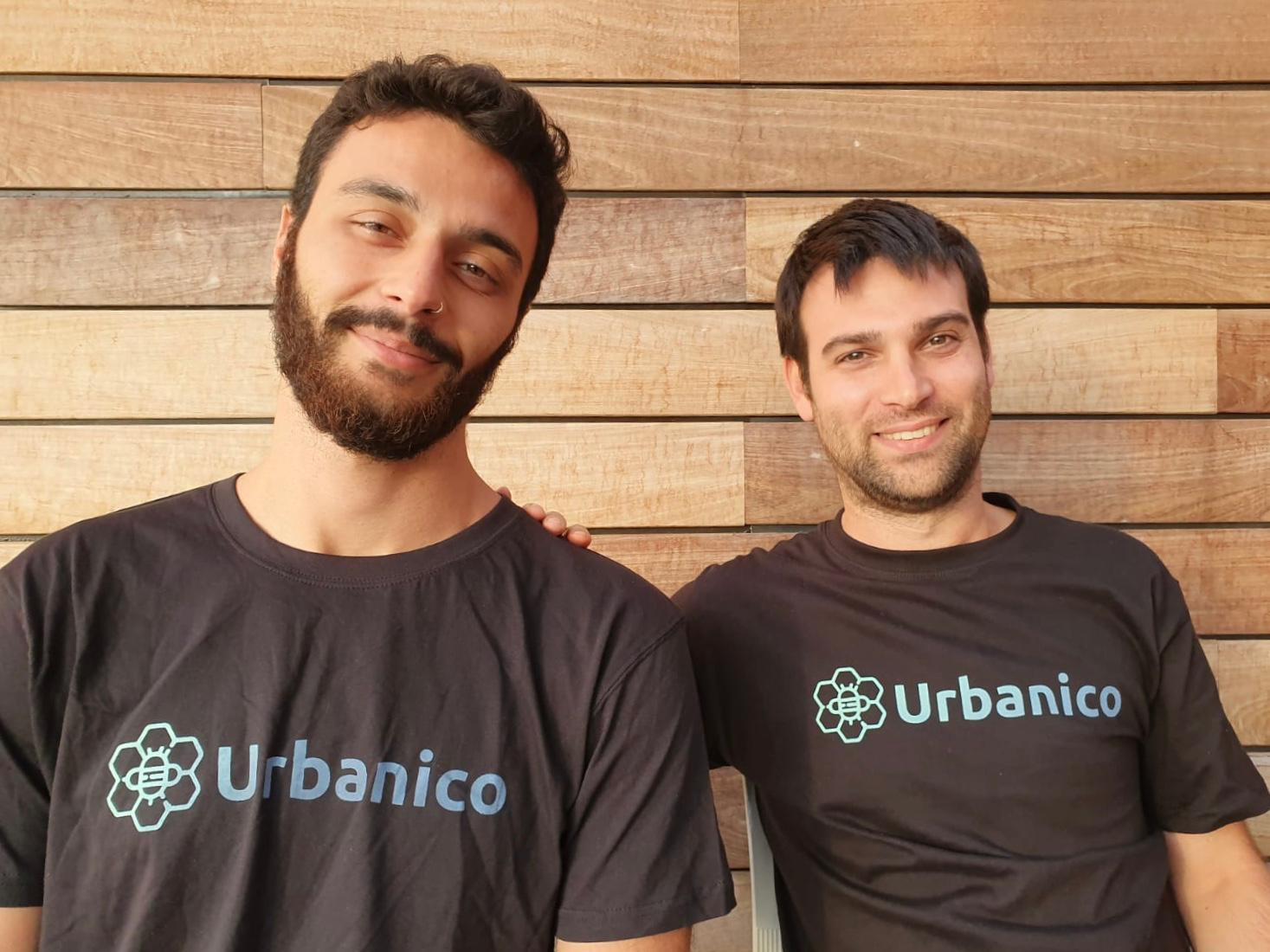
Urbanico was founded by Yuval Shafrir (CEO) and Cfir Rahimi (CTO), alumni of elite intelligence units in the IDF (unit 8200 and a highly classified unit), with experience working and building core AI startups. Cfir previously worked as a data scientist at various deep-tech startups, with expertise in machine learning and natural language processing (NLP), while Yuval is a serial tech entrepreneur, who previously led a successful tech startup in the retail industry.