

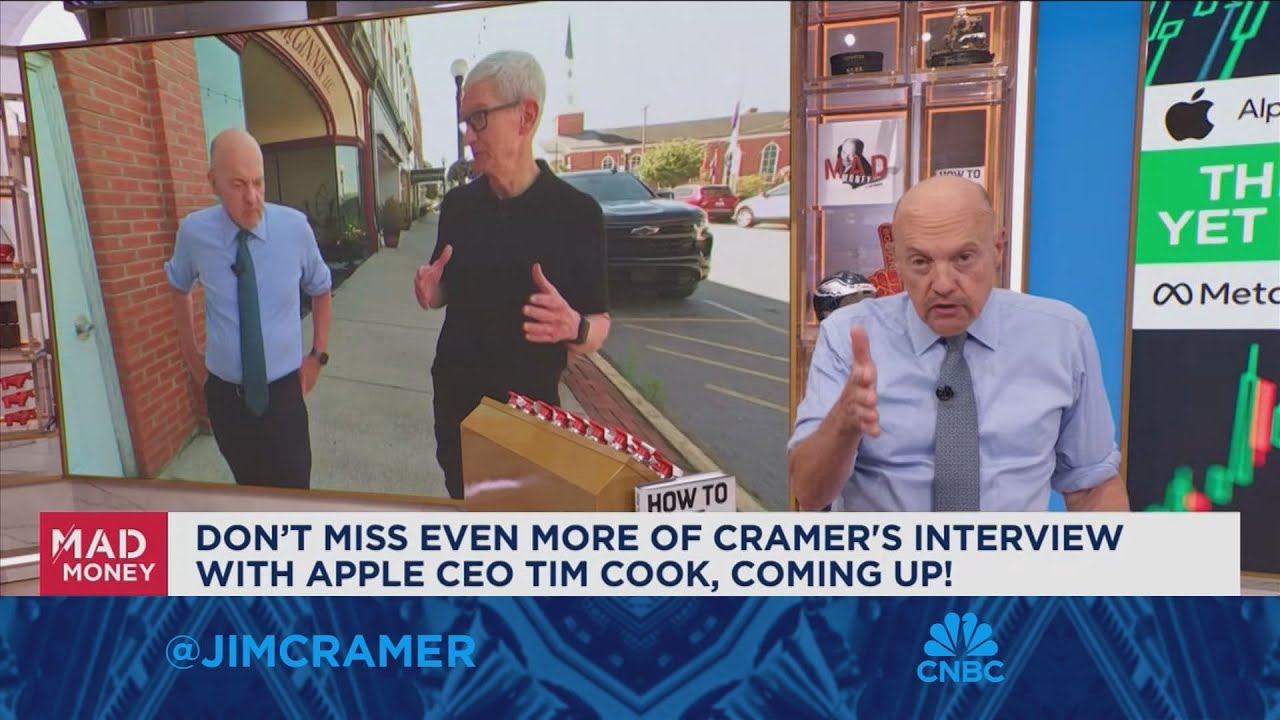
In the dynamic landscape of modern finance, the notion that "the best days are behind them" often proves to be the most damaging sentiment to an investor's portfolio, particularly when assessing the titans of technology. Jim Cramer, host of CNBC’s *Mad Money*, recently provided a robust counter-narrative to this pervasive skepticism, arguing forcefully that the so-called "Magnificent Seven" tech stocks, Alphabet, Amazon, Apple, Meta, Microsoft, Nvidia, and Tesla, are not only far from their zenith but are poised for continued, unprecedented growth, largely fueled by the burgeoning demands of artificial intelligence and the foundational infrastructure it requires. Cramer, speaking from the New York Stock Exchange, passionately laid out his bull case, asserting that these companies possess an unparalleled combination of financial strength, strategic vision, and relentless innovation that insulates them from the typical cyclical downturns and competitive pressures faced by lesser firms.
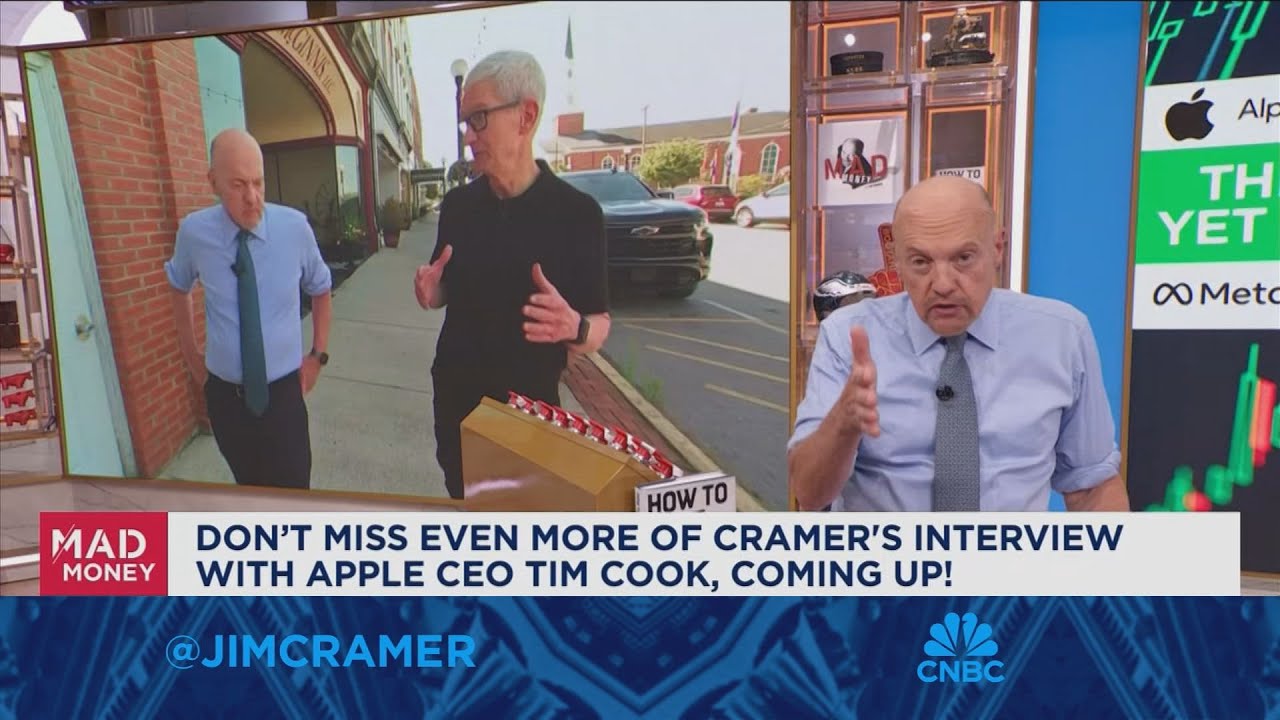
Cramer’s central thesis revolves around the inherent advantages these behemoths command. First and foremost, he highlights their "tremendous balance sheets with essentially all the money in the world." This financial war chest enables them to not only out-innovate competitors but also to acquire promising ventures at will, effectively neutralizing emerging threats or integrating complementary technologies. He cynically notes that even governmental antitrust efforts often "tend to fail" against their entrenched power and legal might, a testament to their almost insurmountable market positions.
Beyond sheer capital, the Magnificent Seven boast immense scale, allowing them to expand into virtually any market globally. This expansive reach and operational efficiency make them incredibly difficult to challenge, creating formidable barriers to entry for new players. Their capacity for continuous reinvention further distinguishes them. Cramer cites Meta Platforms as a prime example, transforming from a desktop-centric social network to a mobile-first powerhouse through strategic acquisitions like Instagram and WhatsApp. "It became a totally different company, taking advantage of its balance sheet and its vision that billions of people want to connect via Instagram. And they were right," Cramer remarked, illustrating how these companies adapt and capitalize on evolving user needs and technological shifts.
Another compelling dimension of their innovation lies in the realm of health tech. Cramer enthusiastically pointed to the Apple Watch’s FDA approval for detecting hypertension, a silent killer often undiagnosed. He recalled a conversation with his cardiologist who dismissed the watch's potential, only for Apple to deliver a breakthrough. "It works. It could save millions of lives," Cramer declared, envisioning a future where health insurance companies might even mandate its use. This highlights the Mag Seven's ability to transcend traditional tech sectors and deliver solutions with profound societal impact, opening vast new revenue streams.
The current strength in tech, Cramer argues, is intimately tied to the "celebration of the data center." The insatiable demand for AI-driven services and processing power translates directly into increased demand for the infrastructure provided by these tech giants. Microsoft's Azure, Meta's AI initiatives, Nvidia's cutting-edge chips, Tesla's autonomous driving ambitions, Google's Gemini chatbot, and Amazon's Web Services (AWS) are all direct beneficiaries of this explosive growth. The positive news flow for these companies, despite occasional setbacks, seems to be unending.