

The long-promised future where an AI assistant books your travel and orders your groceries just took a critical step out of science fiction. In a major move to build the plumbing for automated commerce, web infrastructure giant Cloudflare is partnering with Visa and Mastercard to create a security standard for AI agent payments. The collaboration aims to solve the single biggest problem holding back "agentic commerce": how can a website trust a bot with a credit card?
Until now, to an online merchant, a helpful AI shopping agent has been indistinguishable from a malicious web scraper or a credential-stuffing bot. This identity crisis has been a fundamental roadblock. Blocking all bots means missing out on legitimate AI-driven sales, while allowing them opens the door to fraud and abuse.
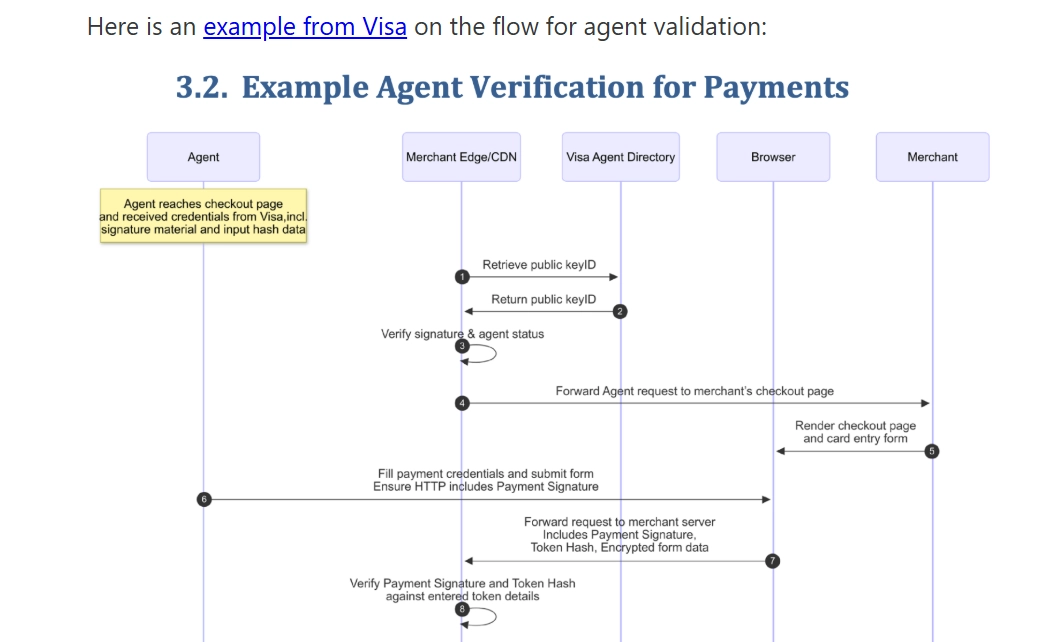
According to a joint announcement, the solution hinges on giving legitimate AI agents a verifiable digital passport. Visa has developed the "Trusted Agent Protocol" and Mastercard has created "Agent Pay," two systems designed to help merchants tell the good bots from the bad. Both are built on a foundational proposal from Cloudflare called Web Bot Auth.
A digital passport for bots
Think of Web Bot Auth as a cryptographic ID card for automated agents. Instead of relying on easily spoofed identifiers like a user agent string or IP address, it uses public key cryptography to let an agent digitally "sign" every request it makes to a website.
Here’s how it works in the new system: An AI agent developer, like a startup building a travel-booking assistant, would register their agent with Visa or Mastercard. The payment network then issues a set of cryptographic keys. When the agent goes to shop on a merchant's site, it attaches a unique, time-stamped digital signature to its request.