


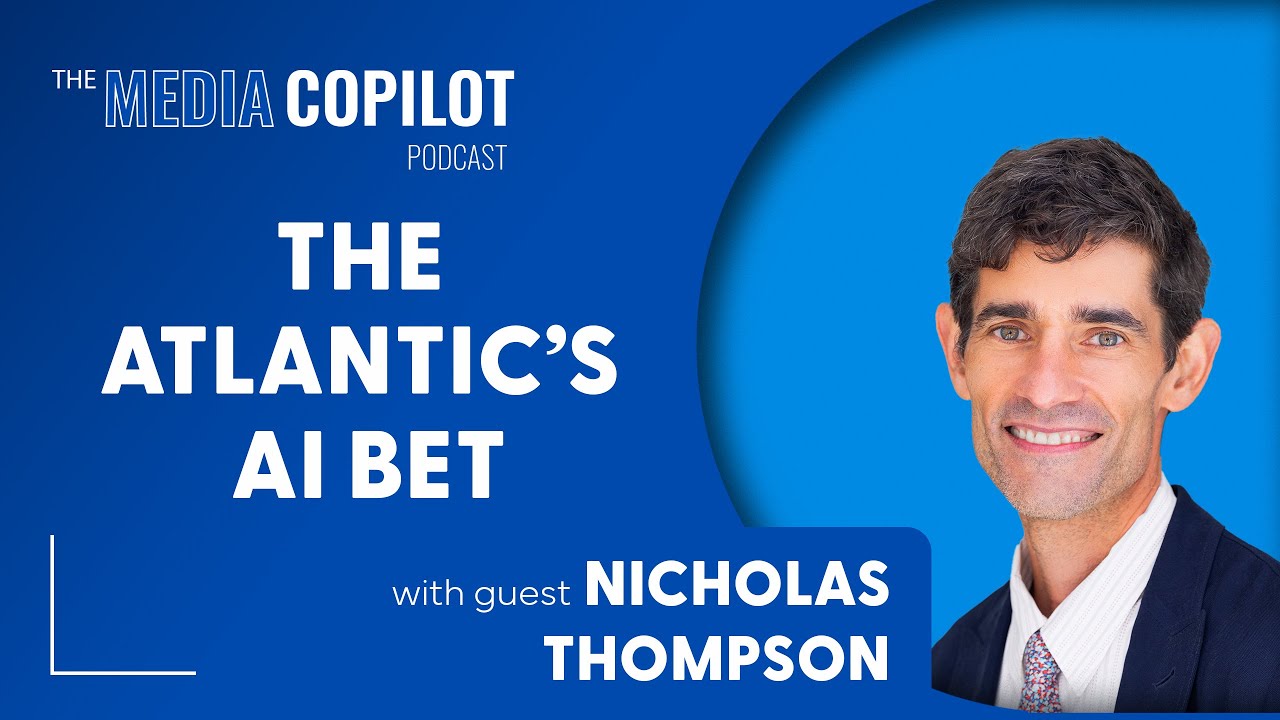
"The outcome I want is for the AI industry and the content creation industry to work hand in glove and come up with a compensatory system that's fair for everybody." This sentiment, expressed by Nicholas Thompson, CEO of The Atlantic, during his recent interview with Pete Pachal, founder of The Media Copilot, encapsulates the complex tightrope walk facing traditional media in the age of generative AI. Their conversation delved into the profound implications of artificial intelligence, from shifting traffic paradigms to the delicate balance of trust and technological adoption.
Thompson, a seasoned tech journalist and media leader, shared a perspective both enthusiastic and pragmatic. He acknowledged AI's rapid advancements, stating, "the progress has exceeded my expectations." Yet, this excitement is tempered by a growing apprehension regarding AI's direct impact on established business models. He admitted to being "more worried about the effect on our business, less certain that anybody has the answer to where media goes in an age of AI." This uncertainty stems largely from the anticipated decline of traditional search traffic, as AI-powered answer engines increasingly provide direct information, bypassing publisher websites.
The Atlantic, having proactively formed a task force after ChatGPT's debut, understood early that AI would likely diminish referral traffic from search engines. Their strategic pivot away from Google dependence and a licensing agreement with OpenAI were early responses to this impending shift. However, Thompson highlights the broader challenge: "We have not yet figured out the kind of replacement model" for driving substantial traffic back to publishers in an AI-dominated search landscape. He points out that while current AI search engines like Perplexity are impressive, they haven't yet proven a reliable traffic-generation mechanism for content creators.
The immediate focus for media companies is two-fold: retaining human audiences through direct relationships (apps, newsletters, print) and exploring new economic frameworks for the "bot web." Thompson suggests a "pay-per-scrape" model or large-scale licensing deals with AI companies. He also acknowledges the role of legal action and regulation, citing ongoing lawsuits like The New York Times vs. OpenAI, as crucial in shaping a fair market.
Thompson stresses that The Atlantic's content remains "100% human-created and verified." He believes that maintaining this human element is vital for preserving reader trust. While advocating for the internal use of AI tools to enhance efficiency in areas like research, translation, and even customer service, he draws a clear line at AI-generated public-facing content. "We say the magazine is written by humans for humans," he affirmed, underscoring the publication's commitment to authentic, human-driven journalism. This stance reflects a broader industry concern about the potential erosion of credibility if the line between human and AI authorship becomes blurred. Thompson's perspective reflects a dynamic landscape where media leaders must navigate rapid technological change while upholding core values of integrity and human connection.

