


The economic center of gravity in the artificial intelligence ecosystem is rapidly moving away from consumer-facing chatbots and toward the enterprise backend. This pivot, driven by major players like OpenAI, Google, and Anthropic, centers on the monetization of foundational models through Application Programming Interfaces (APIs), signaling a critical maturation phase where the focus shifts from viral adoption to sustainable, high-value revenue streams. For founders and VCs operating in the AI enablement layer, understanding this transition from visible front-end hype to invisible back-end infrastructure is paramount.
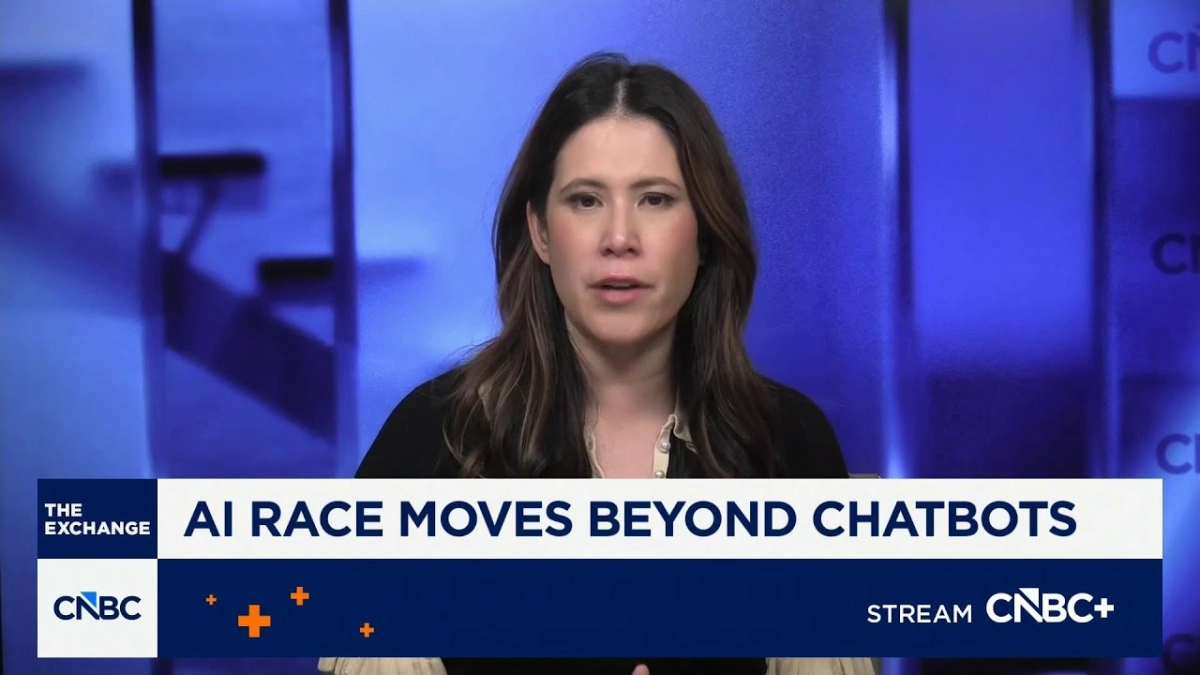
CNBC’s Deirdre Bosa, reporting on the AI landscape, highlighted this shift, explaining that the race is "moving from what we see and prompt as chatbot users to what powers the back-end for enterprises and developers." The key metric now emerging is API usage—the direct communication between a customer’s proprietary software and the underlying AI model. This usage is the lifeblood for companies whose models require immense capital investment, translating directly into enterprise revenue streams.
The core function of an AI API is to allow models like GPT, Gemini, or Claude to run inside a client’s product—be it enterprise software, drug discovery tools, or complex scientific simulations. As Bosa notes, this means that the software "talks directly to the model. One system sends a request, the AI sends back an answer." Unlike the consumer chatbot experience, which is often subsidized or provided via subscription, API usage is metered and highly scalable, providing the necessary economic engine to fuel the next generation of AI development. The growing API revenue suggests deep, practical developer adoption, confirming that the technology has moved past experimentation and into core business processes.
However, the sheer cost of training and maintaining these frontier models is forcing providers to think beyond standard usage fees, leading to proposals that challenge established IP norms. OpenAI, facing immense pressure to find revenue streams large enough to justify its rumored multi-trillion-dollar commitments to compute infrastructure, is floating a controversial new model for monetization: a value exchange licensing structure.
OpenAI CFO Sarah Friar suggested this model in a recent interview, proposing that the company could align itself "on the same side of the table as, say, a drug developer… We say we’re going to work with you to create this next breakthrough. Can we take a license off of the outcome?" In essence, OpenAI is proposing to take a cut of its customers’ AI-aided discoveries. This move is not merely a pricing adjustment; it is an attempt to fundamentally shift the economic risk and reward associated with generative AI deployment, particularly in high-value, IP-intensive sectors like biotech, pharmaceuticals, and materials science.
For the startup ecosystem, this proposal raises immediate and acute concerns regarding intellectual property ownership. If an AI model provider demands a license or revenue share on the outcome of the AI-aided discovery, it complicates the cap table and valuation of the customer company that actually executes the research and development. This model directly challenges the traditional notion that the user owns the value generated by the tool they license. While Bosa acknowledges that this is exactly how frontier technology gets funded at scale, by "tying the economics of the model to the breakthroughs that it helps unlock," the implications are far-reaching for any organization relying on these foundational models for core innovation.
The irony of this proposition was not lost on critics. OpenAI, which trained its models by scraping vast amounts of publicly available—and often copyrighted—data, is now turning around and demanding a share of the value created on top of that intelligence. This circular economic dynamic places model providers in a unique position of control, potentially acting as silent partners in every major discovery enabled by their APIs. The acceptance or rejection of this "value exchange model" will serve as a bellwether for how intellectual property rights are defined in the age of generative AI.
This aggressive pursuit of novel revenue streams underscores the immense financial burden OpenAI and its competitors face. The costs associated with securing the necessary supply chain for GPUs, building massive data centers, and continuously training increasingly large and capable models far exceed typical SaaS margins. Therefore, the shift to API revenue, coupled with the exploration of licensing cuts on downstream value, is a strategic necessity, not just a preference. These two factors—the measurable growth of enterprise API usage and the push for value-based licensing—demonstrate the relentless pressure on the largest AI firms to establish durable, high-yield revenue streams capable of supporting their commitment to a future built on trillion-dollar infrastructure investments.


