

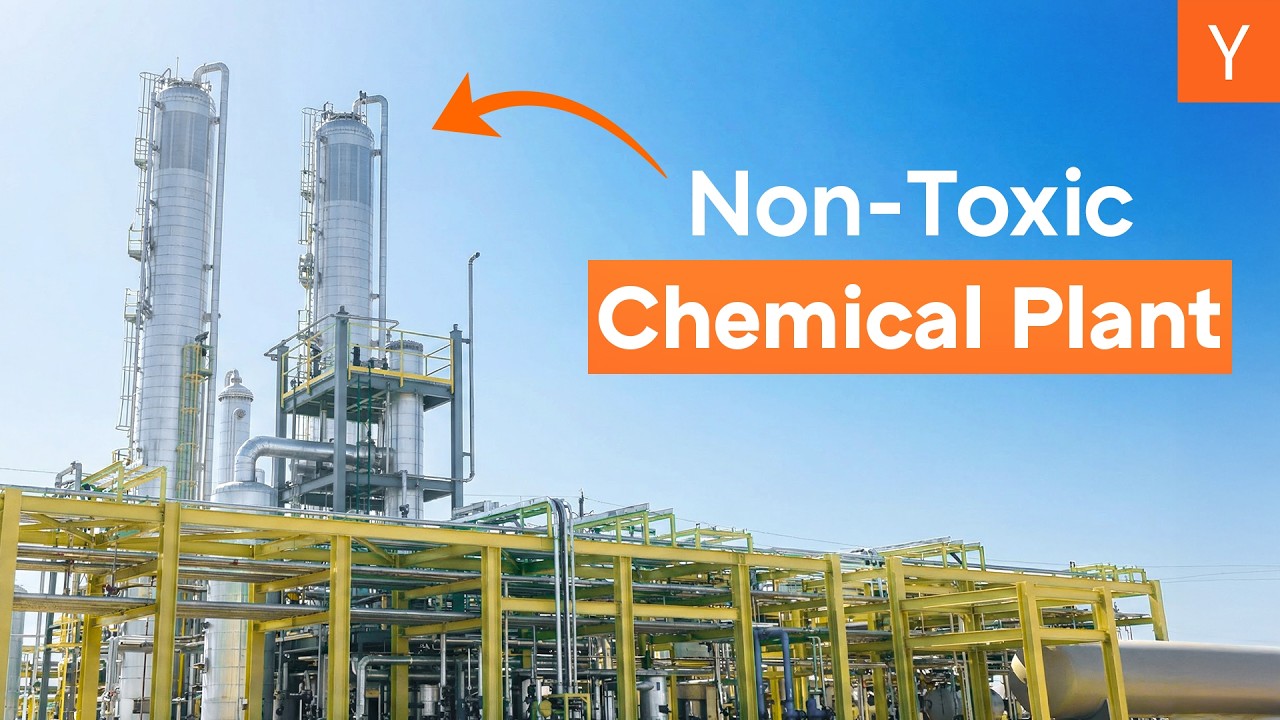
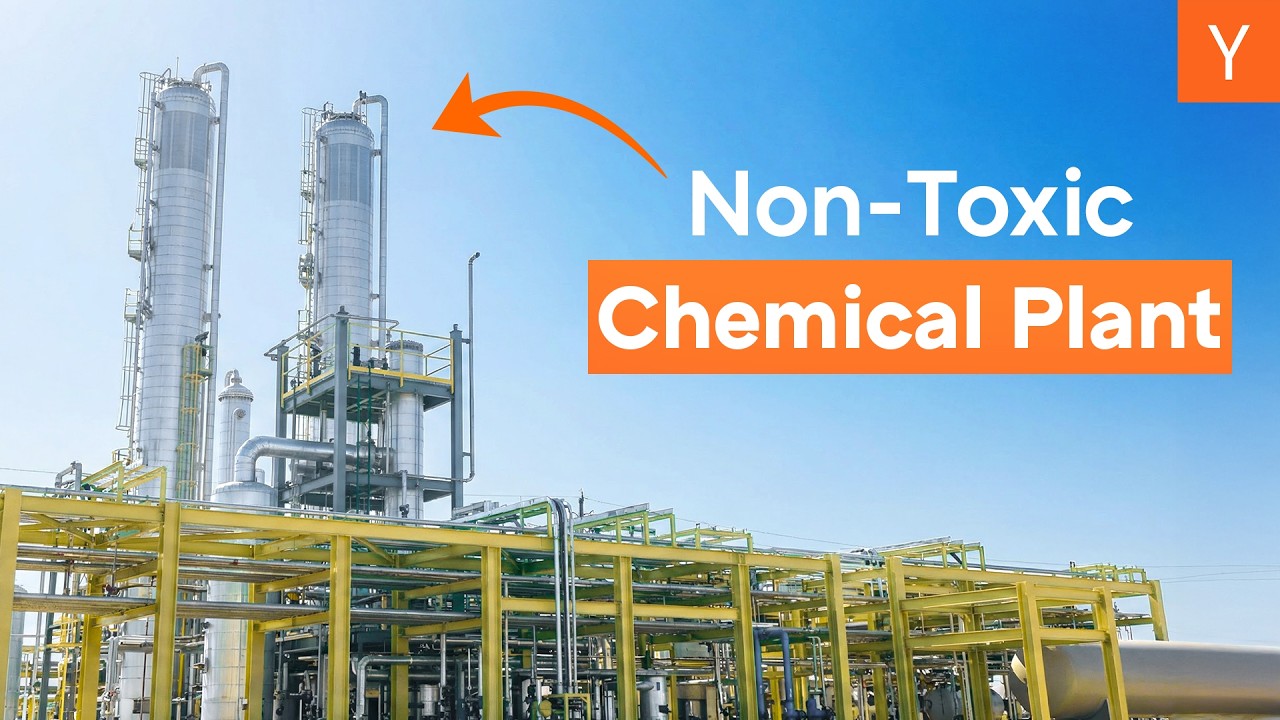
In the rapidly evolving landscape of industrial chemistry, a new wave of innovation is being driven by the fusion of biology and traditional chemical engineering. Solugen, a Houston-based company, stands at the forefront of this movement, pioneering a sustainable approach to chemical manufacturing that promises to disrupt established industries. The company's groundbreaking 'chemoenzymatic processing' method, which combines the precision of enzymes with the efficiency of metal catalysts, is enabling the creation of chemicals in a cleaner, safer, and more environmentally friendly manner.
This innovative approach allows Solugen to build smaller, more agile chemical plants that can be deployed closer to customers, reducing transportation costs and environmental impact. The company's journey from a garage startup to a billion-dollar enterprise is a testament to its disruptive technology and its ability to address critical market needs.
The full discussion can be found on YC's YouTube channel.
The Founders and Their Vision
The story of Solugen is rooted in the scientific curiosity and entrepreneurial drive of its co-founders, Gaurab Chakrabarti and Sean Hunt. Chakrabarti, who holds a PhD in chemistry, was researching ways to engineer enzymes to fight cancer when he stumbled upon a discovery that would change the course of his career. He found that certain enzymes, when exposed to specific conditions, could produce hydrogen peroxide with remarkable efficiency.
Meanwhile, Hunt, a biomedical engineer, was working on developing new methods for producing materials for medical devices. Their paths crossed during their time at Y Combinator, where they realized the potential of combining their distinct areas of expertise to revolutionize chemical manufacturing. They recognized that traditional chemical processes, heavily reliant on fossil fuels and often producing hazardous byproducts, were ripe for disruption. Their shared vision was to create a more sustainable and efficient way to produce essential chemicals, leveraging the power of biology.
Chemoenzymatic Processing: A Paradigm Shift
Solugen's core innovation lies in its proprietary chemoenzymatic processing technology. This method ingeniously combines the specificity and mild reaction conditions of enzymes with the robustness and scalability of metal catalysts.
The process begins with a feedstock, often derived from renewable sources like corn syrup, which is then introduced into an enzymatic reactor. Here, specially engineered enzymes, inspired by those found in nature, facilitate specific chemical transformations. These enzymes are often sourced or adapted from naturally occurring organisms or engineered to perform novel functions.
Following the enzymatic step, the intermediate products are then processed using metal catalysts. This combination allows Solugen to achieve high yields and selectivities, producing chemicals with a significantly lower environmental footprint compared to conventional methods. The company highlights that this approach can achieve yields as high as 96%, a substantial improvement over traditional chemical synthesis routes.
Crucially, Solugen's process avoids many of the harsh chemicals and high temperatures typically required in petrochemical-based manufacturing. This translates to reduced energy consumption, lower greenhouse gas emissions, and the elimination of toxic byproducts, aligning with global sustainability goals.
From Lab Bench to Industrial Scale
The journey from a laboratory concept to a full-scale industrial operation is fraught with challenges, particularly in the capital-intensive chemical industry. Solugen's approach to scaling was notably lean and iterative.
The company's first prototype reactor was famously constructed from PVC pipes and components sourced from Home Depot. This humble beginning, costing around $10,000, was designed to prove the viability of their chemoenzymatic process. Despite its rudimentary nature, this early reactor was capable of generating revenue, demonstrating the commercial potential of their technology.
This early success and the clear market need allowed Solugen to attract further investment. Their participation in the Y Combinator accelerator program provided not only capital but also invaluable mentorship and a network of resources. This support was instrumental in their ability to build out their first pilot plant and later, their full-scale manufacturing facility in Houston, Texas.
The company's strategic decision to build smaller, decentralized plants closer to their customers is a key differentiator. This modular approach allows for greater flexibility in production and reduces the logistical complexities and costs associated with traditional large-scale chemical manufacturing.
Impact on Industries and Sustainability
Solugen's technology has the potential to impact a wide range of industries, from agriculture and industrial cleaning to consumer goods and materials science.
The chemicals produced by Solugen are versatile and can be used in numerous applications. For instance, their hydrogen peroxide, a key product, is a powerful oxidizing agent used in everything from water treatment and disinfection to pulp and paper bleaching. By producing it sustainably and locally, Solugen is offering a greener alternative to existing supply chains.
The company's commitment to sustainability extends beyond its manufacturing processes. By utilizing renewable feedstocks and reducing reliance on fossil fuels, Solugen is contributing to a more circular economy and a lower carbon footprint for the chemical industry as a whole. This focus on environmental responsibility resonates strongly with consumers and businesses increasingly prioritizing eco-friendly solutions.
The Path Forward
Solugen's rapid ascent and its innovative approach to chemical manufacturing underscore a significant trend: the integration of biology and advanced engineering to solve complex industrial challenges. The company's success is not just a story of technological prowess but also of strategic execution and a deep understanding of market needs.
As Solugen continues to scale its operations and expand its product portfolio, it stands poised to redefine the future of chemical production, offering a compelling vision for a more sustainable and efficient industrial future.
