
Samsung's AI Bonus Fight Sparks South Korean Tech Wealth Debate

Samsung Electronics averted a major labor strike by agreeing to significant AI-driven bonuses for chip workers, but the deal has sparked internal debate over fairness and profit sharing.

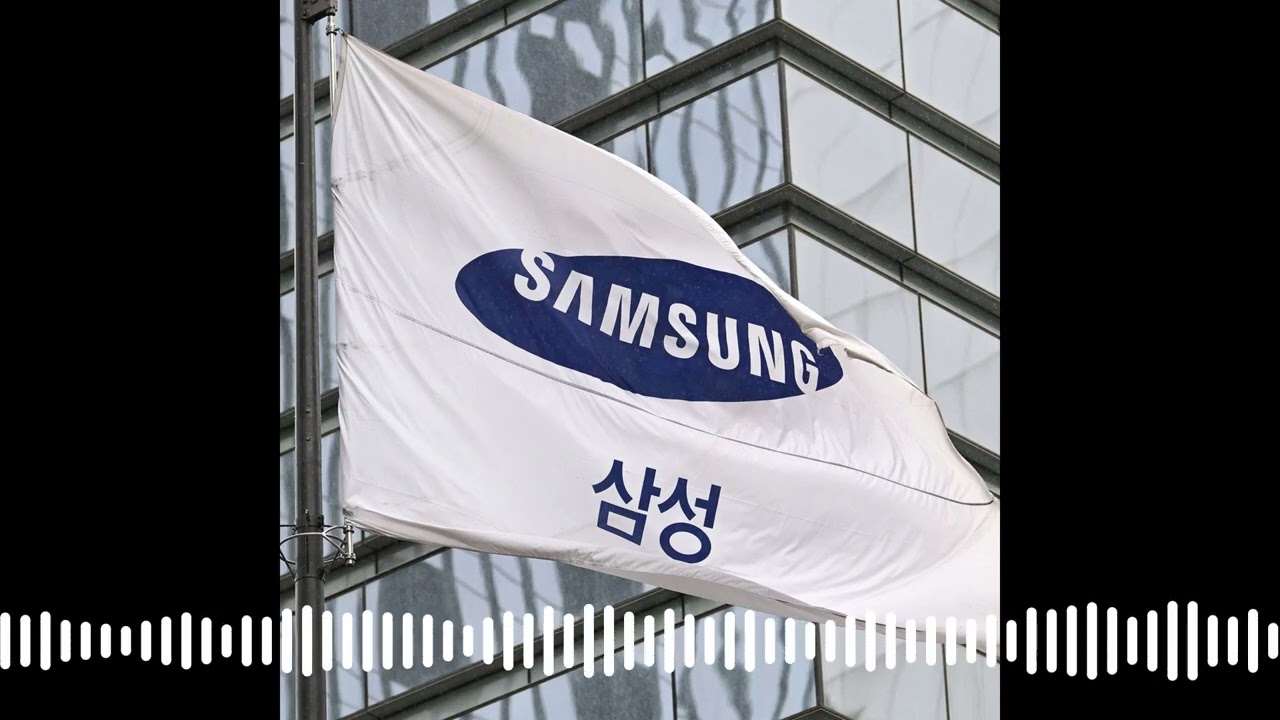
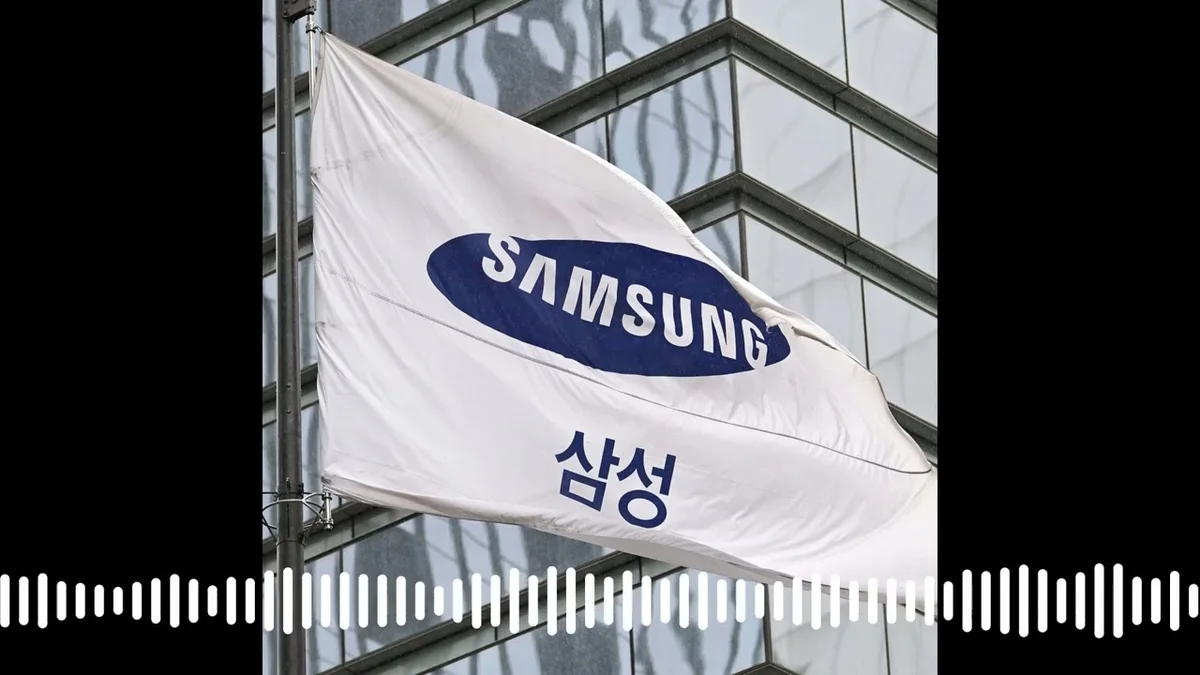
A Samsung flag waving in front of a modern glass building.
A Samsung flag is seen waving in front of a building.· Bloomberg Podcast
Visual TL;DR
AI Boom Profit SurgeDriver
From the article 2 mentionsThe surge in profits, largely driven by the demand for advanced memory chips essential for AI, has led to increased expectations among Samsung employees.
Samsung Semiconductor SuccessCore
division accounts for over 90% of profits, market valuation past $1 trillion
From the article 3 mentionsSamsung's semiconductor division, the company's most important business unit, is a major beneficiary of this trend, accounting for over 90% of its profits in the first quarter.
AI Bonus OfferEffect
substantial AI-fueled bonuses for chip workers, averaging $340,000 each
From the article 2 mentionsThe core of the dispute lies in the differential bonus payouts.
Labor Strike AvertedOutcome
Samsung avoided a major labor strike with the bonus agreement
From the articleIn a development that has sent ripples through the global tech industry, Samsung Electronics has reached a crucial agreement with its labor union, narrowly avoiding a strike that could have significantly impacted the semiconductor supply chain.
Internal DebateContext
sparked internal debate over fairness and profit sharing among employees
From the article 5 mentionsHowever, it has also created a new debate about fairness and equity within the organization.
Tech Wealth DebateOutcome
sparks South Korean tech wealth debate on profit distribution
Precedent-Setting AgreementContext
agreement sets a precedent for future labor negotiations in tech
From the article 3 mentionsThis agreement comes at a pivotal moment as the global economy grapples with the immense profitability of the AI boom.

Contents(6)

In a development that has sent ripples through the global tech industry, Samsung Electronics has reached a crucial agreement with its labor union, narrowly avoiding a strike that could have significantly impacted the semiconductor supply chain. The deal, finalized after months of tense negotiations, promises substantial AI-fueled bonuses for the company's chip workers, averaging an estimated $340,000 each.

StartupHub data

Companies working on this

Profiles of the companies named in this story, with funding and a one-liner from our database.

Samsung Electronics
South Korean multinational conglomerate, a global leader in consumer electronics, semiconductors, and home appliances.
Apple
$6.2B
Global technology leader in consumer electronics, software, and online services.

This agreement comes at a pivotal moment as the global economy grapples with the immense profitability of the AI boom. Samsung's semiconductor division, the company's most important business unit, is a major beneficiary of this trend, accounting for over 90% of its profits in the first quarter. The division's success has propelled Samsung's market valuation past $1 trillion, placing it in contention with tech giants like Apple and Nvidia.

The AI Windfall and the Bonus Gap

The surge in profits, largely driven by the demand for advanced memory chips essential for AI, has led to increased expectations among Samsung employees. While the chip division has seen remarkable success, workers in other sectors of the company, such as mobile phones, TVs, and home appliances, have not experienced the same financial uplift. This disparity has ignited internal friction, with many employees feeling left behind.

The full discussion can be found on Bloomberg Podcast's YouTube channel.

Huge AI Bonuses Spark South Korea Tech Wealth Fight | Big Take - Bloomberg Podcast
Huge AI Bonuses Spark South Korea Tech Wealth Fight | Big Take, from Bloomberg Podcast

The core of the dispute lies in the differential bonus payouts. While chip workers are set to receive substantial bonuses, employees in other divisions are reportedly receiving only a fraction of that amount, with some receiving as little as $4,000. This stark difference has led to widespread discontent and has been a major point of contention in the wage negotiations.

Labor Unrest and Government Intervention

The labor negotiations, which began in December, were protracted, lasting for months without a resolution. The situation escalated to the point where the South Korean government intervened, attempting to mediate the dispute. The government's involvement underscored the potential economic impact of a strike, given Samsung's critical role in the national economy and the global technology sector.

Reports indicate that the government's mediation efforts were initially unsuccessful, highlighting the deep-seated nature of the conflict. The discontent among workers, particularly those in the chip division who felt they had contributed significantly to the AI boom, culminated in protests and demands for a larger share of the company's AI-driven profits.

A Precedent-Setting Agreement

Ultimately, Samsung agreed to a new bonus structure that sets aside approximately 12% of its operating profit for chip workers. This agreement, approved by a majority of union members last week, signifies a significant concession from the company. However, it has also created a new debate about fairness and equity within the organization.

The outcome of this negotiation is seen by many as a potentially dangerous precedent for corporate South Korea. The disparity in bonuses between different divisions raises questions about how extraordinary profits generated by technological advancements should be distributed. As one commentator noted, the situation reflects a broader shift in labor dynamics, where workers who contribute to such successes expect to be rewarded commensurately.

Implications for the Tech Industry

The Samsung case is likely to influence labor relations across the tech industry globally. As AI continues to drive unprecedented profits, similar demands for a fairer distribution of wealth are expected to emerge from workers in other companies. The debate over how to share the gains from technological progress is becoming increasingly central to the future of work.

For Samsung, the resolution of the labor dispute, while averting an immediate crisis, presents ongoing challenges. The internal divisions and the lingering sense of unfairness among some employees could impact morale and productivity in the long run. The company's ability to navigate these internal dynamics while maintaining its competitive edge in the rapidly evolving AI chip market will be crucial.

Frequently Asked Questions

Why did Samsung semiconductor workers reject a substantial one-time bonus and push for a different compensation structure?

Samsung's semiconductor division employees reportedly turned down a one-time bonus, seeking instead an annual profit-sharing model similar to that of competitor SK Hynix. This demand highlights a growing desire among tech workers for compensation tied directly to company performance and profitability, especially in lucrative sectors like AI chip manufacturing.

What is the significance of the labor dispute at Samsung regarding bonuses and profit sharing?

The conflict over bonuses at Samsung underscores the evolving dynamics of labor-management relations within the high-tech industry, particularly as artificial intelligence drives significant profits. It reflects a broader trend where employees are seeking more equitable distribution of wealth generated by technological advancements and market success.

Are Samsung workers planning a strike over bonus and wage disputes?

Reports indicate that a significant number of Samsung workers in South Korea have been involved in protests and have considered or initiated strikes concerning bonus payments and compensation. The union's stance suggests a prolonged dispute aimed at achieving their demands for improved financial benefits.

Information regarding a specific bonus for Samsung's Galaxy Watch product line is not detailed in the provided context. The current labor discussions primarily revolve around the compensation for workers in the semiconductor division.

© 2026 StartupHub.ai. All rights reserved. You may not republish this article in full without a license. Search engines and AI research tools may crawl and summarize for reference. Bulk reproduction or model training requires a license. See our terms.
Daniel Singer

Written by

Daniel Singer

Editor, StartupHub.ai

Daniel Singer is the editor of StartupHub.ai, a technology expert and thought leader on AI and its applications across sectors, from fintech and healthcare to developer tooling and consumer software. He writes and tests the tools covered here thoroughly and regularly, and built StartupHub.ai to give founders, operators and buyers a clearer read on what they are actually being sold.

More from Daniel Singer