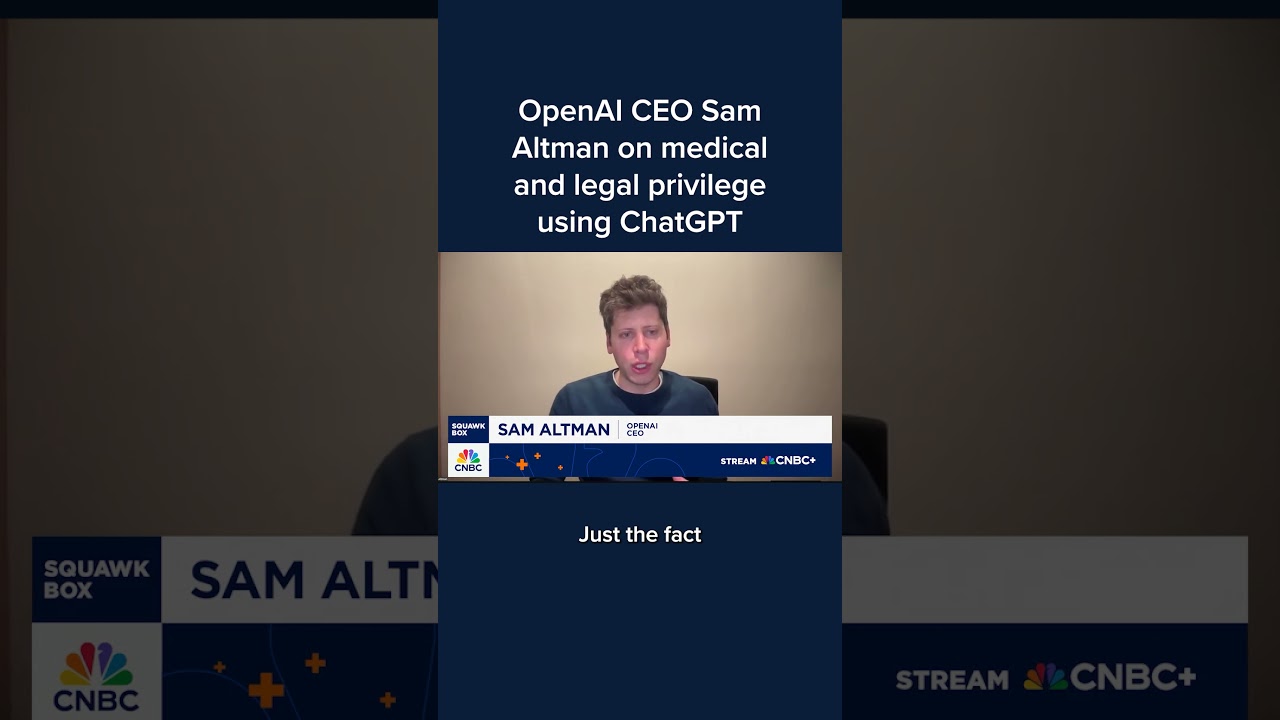
OpenAI CEO Sam Altman has articulated a compelling vision for the future of artificial intelligence, asserting that interactions with AI models, particularly when handling sensitive personal data, should be safeguarded by protections akin to medical and legal privilege. This proactive stance underscores a growing recognition within the AI community that as these systems become deeply embedded in daily life, existing legal frameworks must evolve to ensure user trust and data privacy.
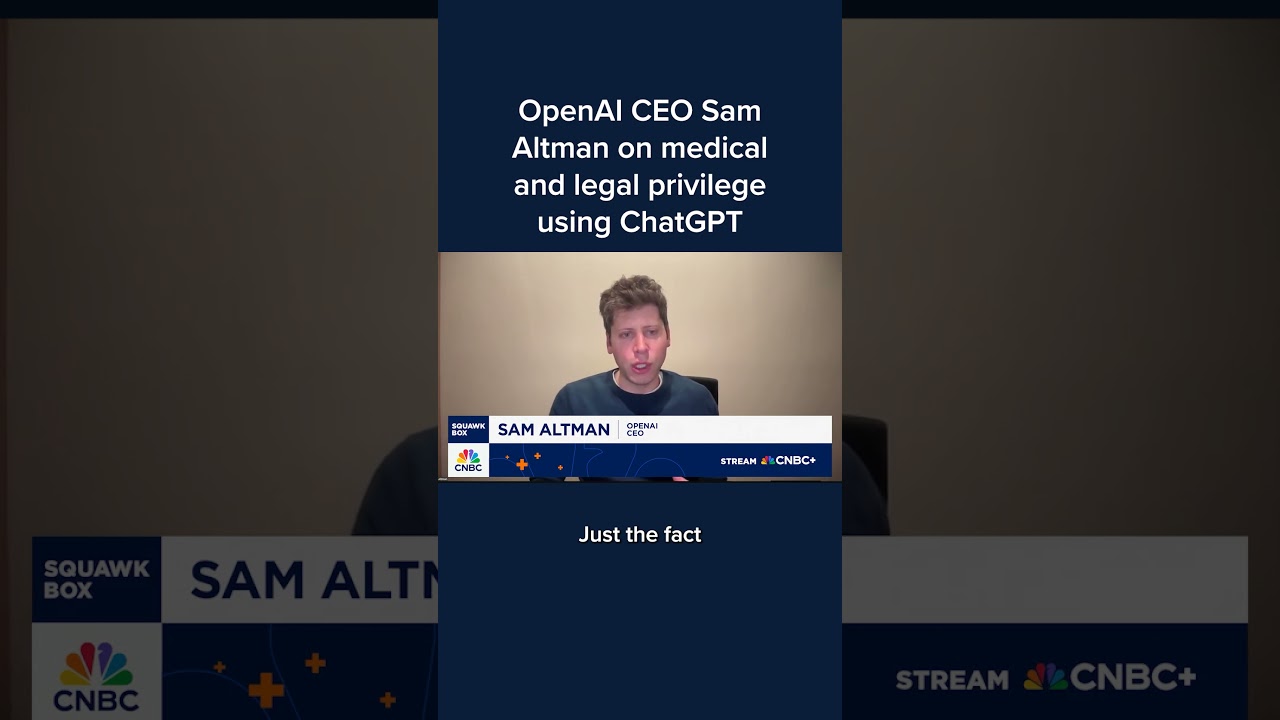
During a recent appearance on CNBC’s Squawk Box, Altman addressed the critical intersection of AI functionality and individual privacy. His commentary centered on the imperative for society to establish new legal precedents that reflect the intimate nature of information users may share with AI for advice or analysis. He posited that the current legal landscape is ill-equipped for a future where AI acts as a digital confidante.
Altman stated, "I personally believe that society is likely to do, and I think should, come to the conclusion at some point that we need something, some concept like we have, you know, medical privilege or legal privilege." This analogy highlights the profound level of trust and confidentiality traditionally expected in professional relationships with doctors and lawyers. Extending such privilege to AI interactions would grant users a similar assurance that their highly personal inquiries and shared data remain protected from external scrutiny, including potential legal discovery.
The implication is clear: simply because a user inputs sensitive information into an AI, it should not automatically become discoverable by a court. Such data must be held to the same stringent standards of confidentiality.
He elaborated on this principle, emphasizing that "if you are asking for this kind of advice, even though it's like a, you know, not a human doctor, but like an AI medical advisor, a lot of those same principles should apply." This perspective suggests a future where AI tools are not merely computational engines but trusted digital advisors, necessitating a re-evaluation of data ownership and privacy in the digital realm. The sensitive nature of medical records or legal queries demands this elevated level of protection. Altman further cemented this point, stating, "the fact that you've asked ChatGPT to analyze your medical records does not mean they should then be discoverable by a court, but they should be protected by the same standards."