

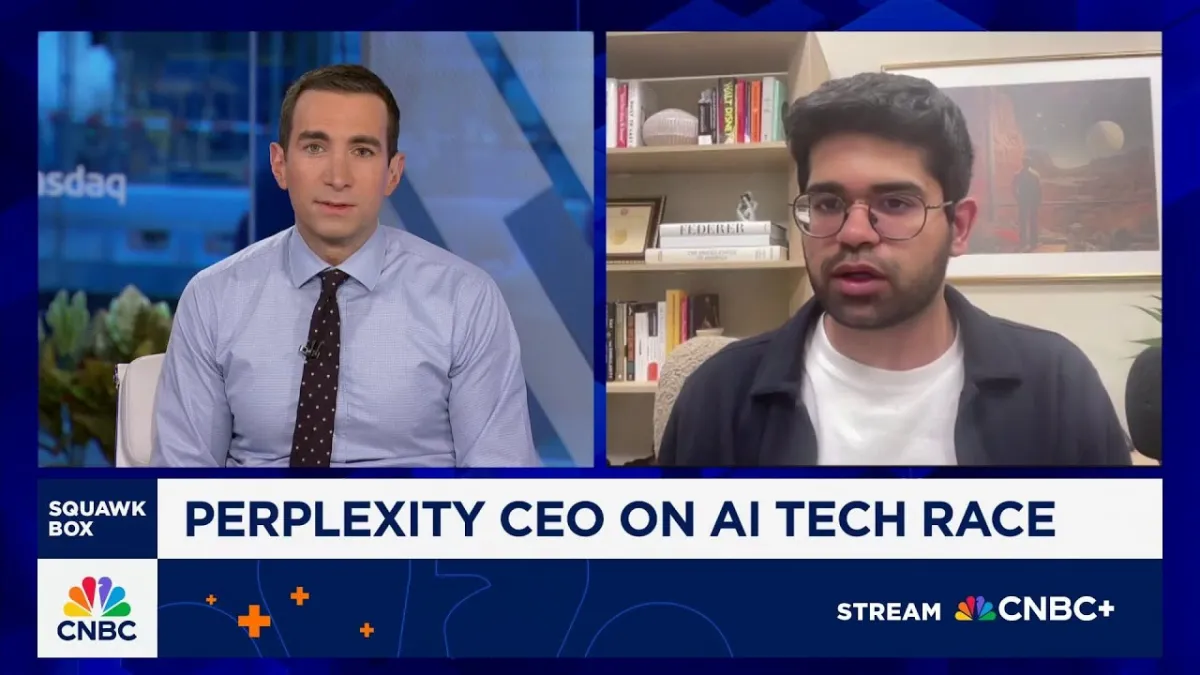
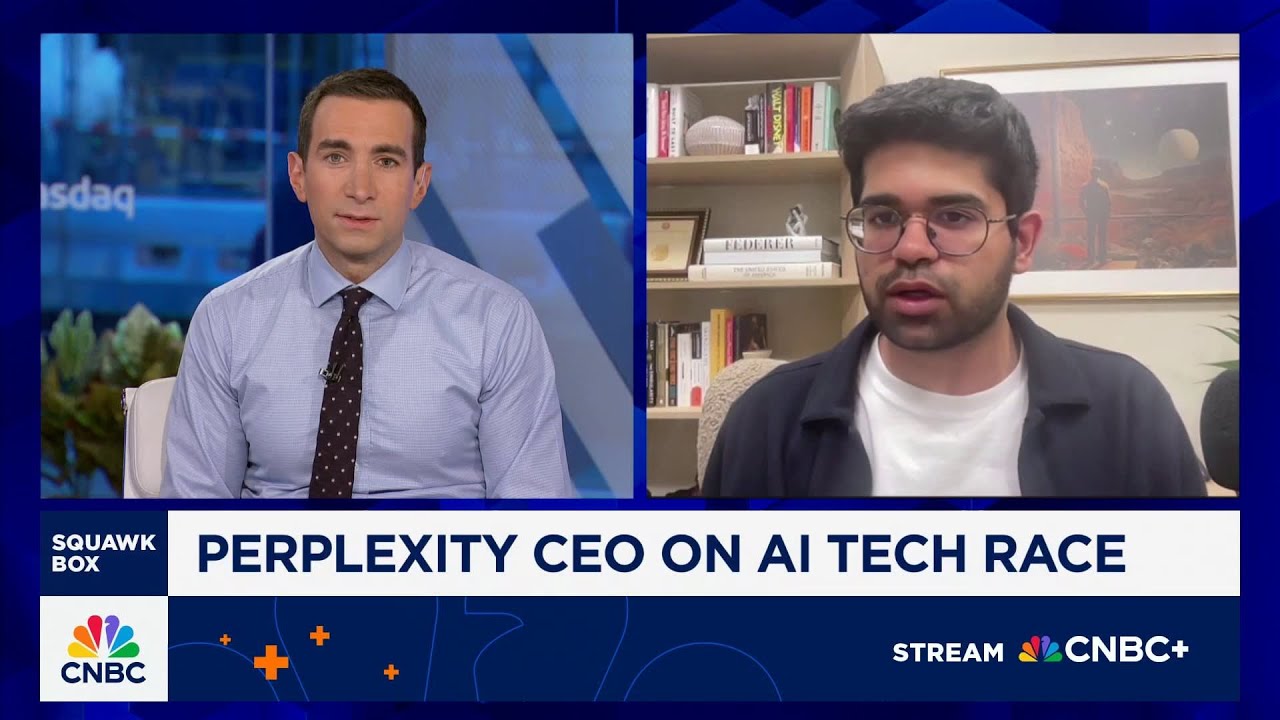
Perplexity CEO Aravind Srinivas articulated a compelling vision for the future of artificial intelligence, unveiling the Comet browser as more than just a search tool; it is designed to be "a true personal assistant." Speaking with CNBC's Andrew Ross Sorkin on Squawk Box, Srinivas detailed how Comet aims to redefine human-computer interaction by moving beyond reactive chatbots to a proactive, deeply integrated digital companion capable of anticipating user needs and executing complex tasks. This launch marks a significant stride in the AI tech race, challenging conventional notions of web browsing and personal productivity.
Srinivas's core argument centers on the distinction between an AI that merely answers questions and one that truly assists. He highlighted that when hiring a human assistant, one takes for granted their "ability to use the internet, the ability to use search, web browsing, and all the tools that exist out there on the open web." This fundamental capability, often overlooked in AI discussions, is precisely what Perplexity seeks to imbue in Comet, transforming it into an "end-to-end orchestrated system that knows how to use the browser, how to upload files, how to download them, how to pull context from relevant tools and data that’s only relevant to you and nobody else." This emphasis on personalized, contextual action represents a profound paradigm shift in AI utility.
The ambition extends beyond simple automation. Srinivas envisions a future where AI operates largely in the background, autonomously managing tasks. He stated, "The future is AIs that are just doing work for you even as you sleep without you even asking for it." This includes auto-drafting email responses, scheduling and rescheduling meetings, and prioritizing communications, all without explicit, synchronous prompts from the user. This asynchronous multitasking capability is a critical insight, suggesting a future where our digital lives are seamlessly managed by intelligent agents, freeing up invaluable human time and cognitive load.
The implications for personal and professional lives are substantial. Imagine an AI that not only drafts emails but understands the nuances of your relationships and commitments to prioritize responses or reschedule meetings on your behalf. This level of autonomy, while promising increased efficiency, naturally raises questions about data privacy and security, a concern Sorkin directly addressed. Srinivas was quick to clarify Perplexity's approach, emphasizing a commitment to user data protection.
He explained that for services like email and calendar management, the system does not need to store or index an entire historical archive of personal data. Instead, it pulls "whatever context is necessary on demand and ignore everything else." This means that when asked to prepare for the day, Comet might access recent calendar events and unread emails from the last day or two, but not your entire inbox history spanning years. Crucially, "all that history stays locally on your device, on your client, it doesn't actually get sent to the servers." This local processing and on-demand context retrieval are key to maintaining user privacy while delivering personalized assistance.