

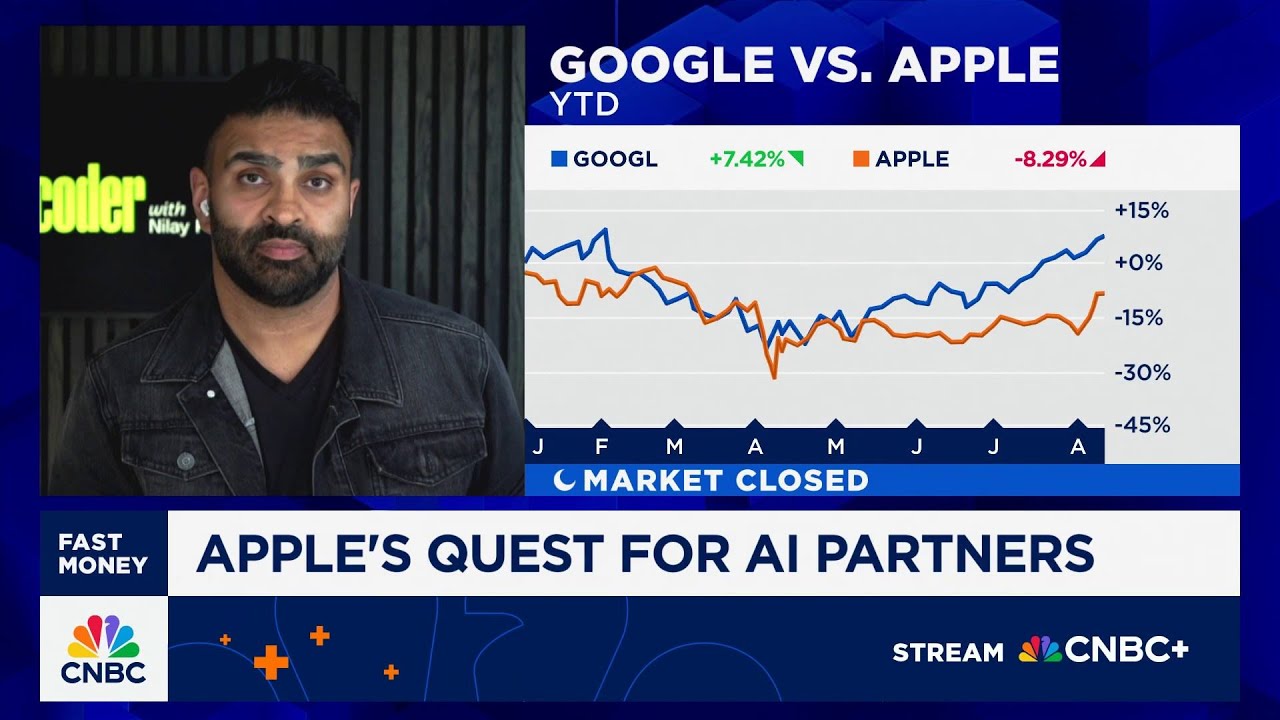
The audacious $34.5 billion unsolicited bid by AI startup Perplexity for Google Chrome, a figure nearly double its own $18 billion valuation, is unequivocally "a stunt," according to Nilay Patel, Editor-in-Chief of The Verge and host of the Decoder podcast. Speaking with Melissa Lee and Guy Adami on CNBC's Fast Money, Patel dissected the underlying motivations behind such a provocative move, framing it within the escalating AI search arms race between tech giants.
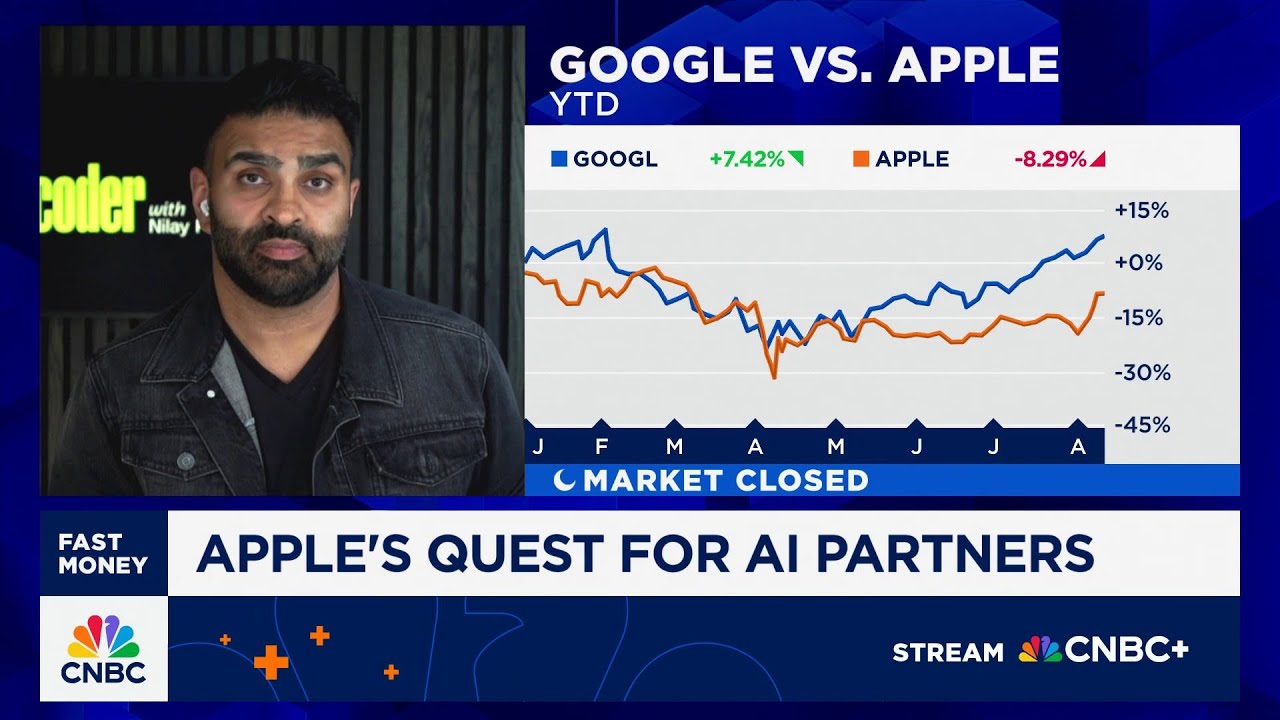
Perplexity, an AI-powered answer engine, seeks to disrupt Google's entrenched search dominance. Its challenge, however, isn't merely technological innovation but distribution. Patel emphasized, "The average number of apps the average person downloads every single day is zero." This stark reality underscores Perplexity's need for significant attention and user adoption, which a high-profile, if unrealistic, bid for a core Google asset like Chrome could generate. Such a maneuver also serves to amplify pressure on Google amidst its ongoing antitrust legal battles concerning its search dominance.
Google, meanwhile, is unlikely to willingly part with Chrome. Any divestiture would likely be the result of a protracted legal process, a scenario the tech giant is actively appealing. This highlights the immense strategic value of Chrome as a primary gateway to Google's search ecosystem, making Perplexity's offer more of a tactical public relations play than a serious acquisition attempt.
Shifting focus to Apple's approach, the discussion touched upon the iPhone maker's own quest for AI partners. Unlike Google, which faces antitrust scrutiny over its pervasive search defaults, Apple's challenge in the AI acquisition space is less about capital and more about integration. Patel succinctly stated that Apple's "issue with acquisitions is not identifying technology or having the capital to buy whatever it is they want. It is culture fit."
Apple's historical precedent, such as the Beats acquisition, illustrates this point. Key figures from acquired companies often struggle to integrate into Apple's highly structured and secretive culture, eventually departing. This aversion to absorbing external, potentially disruptive, cultures means Apple prefers to view advanced AI capabilities as "commodity technology" to be integrated into its existing ecosystem rather than acquiring entire companies with distinct operational philosophies. They would rather partner or license specific AI models, maintaining their internal development ethos, than undertake a large-scale acquisition that could upset their established corporate environment. This strategy stands in contrast to the aggressive, attention-seeking tactics employed by newer AI players like Perplexity, showcasing the divergent paths major tech players are taking in the evolving AI landscape.