

Paper's Steven Haney on AI-Native Design Tools

Paper founder Steven Haney discusses how AI-native design tools are changing the creative workflow, emphasizing human-AI collaboration and seamless design-to-code handoffs.

8 min read
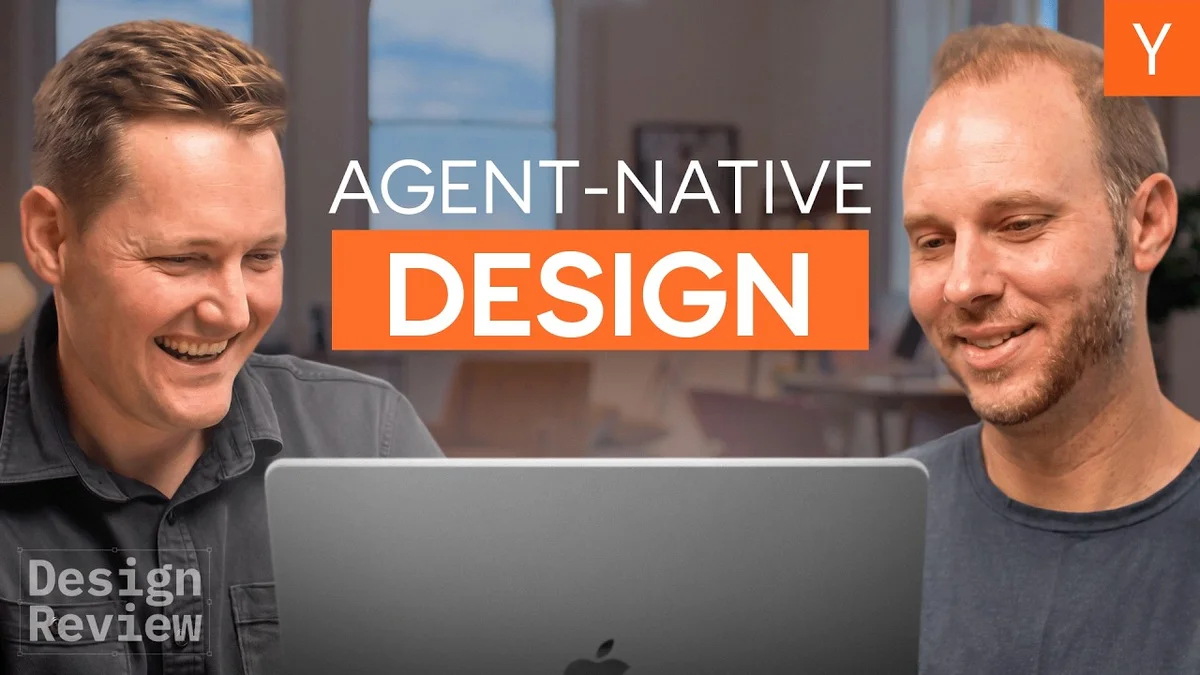
Steven Haney and Aaron Epstein discussing Paper design tool on a laptop
YC

Visual TL;DR. AI Agent Era drives need for Human-AI Collaboration. Human-AI Collaboration leads to Paper Platform. Paper Platform uses HTML/CSS Engine. Paper Platform enables Faster Workflows. Faster Workflows contributes to Seamless Design-to-Code. HTML/CSS Engine facilitates Seamless Design-to-Code. Seamless Design-to-Code shapes Future of Design.

  1. AI Agent Era: rapidly evolving world of AI, new tools for creators collaborating with agents
  2. Human-AI Collaboration: emphasizing human element, creating tools for humans and agents to work seamlessly
  3. Paper Platform: AI-native design tool built on fundamental web technologies, founded by Steven Haney
  4. HTML/CSS Engine: Paper's core innovation using web technologies as its rendering engine
  5. Faster Workflows: AI agents handling tasks like translation or resizing to speed up processes
  6. Seamless Design-to-Code: enabling smooth handoffs from design concepts directly into functional code
  7. Future of Design: changing creative workflow, empowering creators with intelligent agent assistance
Visual TL;DR
Visual TL;DR, startuphub.ai AI Agent Era drives need for Human-AI Collaboration. Human-AI Collaboration leads to Paper Platform. Seamless Design-to-Code shapes Future of Design drives need for leads to shapes AI Agent Era Human-AI Collaboration Paper Platform Seamless Design-to-Code Future of Design From startuphub.ai · The publishers behind this format
Visual TL;DR, startuphub.ai AI Agent Era drives need for Human-AI Collaboration. Human-AI Collaboration leads to Paper Platform. Seamless Design-to-Code shapes Future of Design drives need for leads to shapes AI Agent Era Human-AICollaboration Paper Platform SeamlessDesign-to-Code Future of Design From startuphub.ai · The publishers behind this format
Visual TL;DR, startuphub.ai AI Agent Era drives need for Human-AI Collaboration. Human-AI Collaboration leads to Paper Platform. Seamless Design-to-Code shapes Future of Design drives need for leads to shapes AI Agent Era rapidly evolving world of AI, new toolsfor creators collaborating with agents Human-AI Collaboration emphasizing human element, creating toolsfor humans and agents to work seamlessly Paper Platform AI-native design tool built on fundamentalweb technologies, founded by Steven Haney Seamless Design-to-Code enabling smooth handoffs from designconcepts directly into functional code Future of Design changing creative workflow, empoweringcreators with intelligent agent assistance From startuphub.ai · The publishers behind this format
Visual TL;DR, startuphub.ai AI Agent Era drives need for Human-AI Collaboration. Human-AI Collaboration leads to Paper Platform. Seamless Design-to-Code shapes Future of Design drives need for leads to shapes AI Agent Era rapidly evolvingworld of AI, newtools for creators… Human-AICollaboration emphasizing humanelement, creatingtools for humans… Paper Platform AI-native designtool built onfundamental web… SeamlessDesign-to-Code enabling smoothhandoffs fromdesign concepts… Future of Design changing creativeworkflow,empowering creators… From startuphub.ai · The publishers behind this format
Visual TL;DR, startuphub.ai AI Agent Era drives need for Human-AI Collaboration. Human-AI Collaboration leads to Paper Platform. Paper Platform uses HTML/CSS Engine. Paper Platform enables Faster Workflows. Faster Workflows contributes to Seamless Design-to-Code. HTML/CSS Engine facilitates Seamless Design-to-Code. Seamless Design-to-Code shapes Future of Design drives need for leads to uses enables contributes to facilitates shapes AI Agent Era rapidly evolving world of AI, new toolsfor creators collaborating with agents Human-AI Collaboration emphasizing human element, creating toolsfor humans and agents to work seamlessly Paper Platform AI-native design tool built on fundamentalweb technologies, founded by Steven Haney HTML/CSS Engine Paper's core innovation using webtechnologies as its rendering engine Faster Workflows AI agents handling tasks like translationor resizing to speed up processes Seamless Design-to-Code enabling smooth handoffs from designconcepts directly into functional code Future of Design changing creative workflow, empoweringcreators with intelligent agent assistance From startuphub.ai · The publishers behind this format
Visual TL;DR, startuphub.ai AI Agent Era drives need for Human-AI Collaboration. Human-AI Collaboration leads to Paper Platform. Paper Platform uses HTML/CSS Engine. Paper Platform enables Faster Workflows. Faster Workflows contributes to Seamless Design-to-Code. HTML/CSS Engine facilitates Seamless Design-to-Code. Seamless Design-to-Code shapes Future of Design drives need for leads to uses enables contributes to facilitates shapes AI Agent Era rapidly evolvingworld of AI, newtools for creators… Human-AICollaboration emphasizing humanelement, creatingtools for humans… Paper Platform AI-native designtool built onfundamental web… HTML/CSS Engine Paper's coreinnovation usingweb technologies as… Faster Workflows AI agents handlingtasks liketranslation or… SeamlessDesign-to-Code enabling smoothhandoffs fromdesign concepts… Future of Design changing creativeworkflow,empowering creators… From startuphub.ai · The publishers behind this format

In the rapidly evolving world of AI and design, a new generation of tools is emerging to help creators collaborate with intelligent agents more effectively. One such tool, Paper, is making waves as an AI-native design platform built on fundamental web technologies.
Designing for the Agent Era

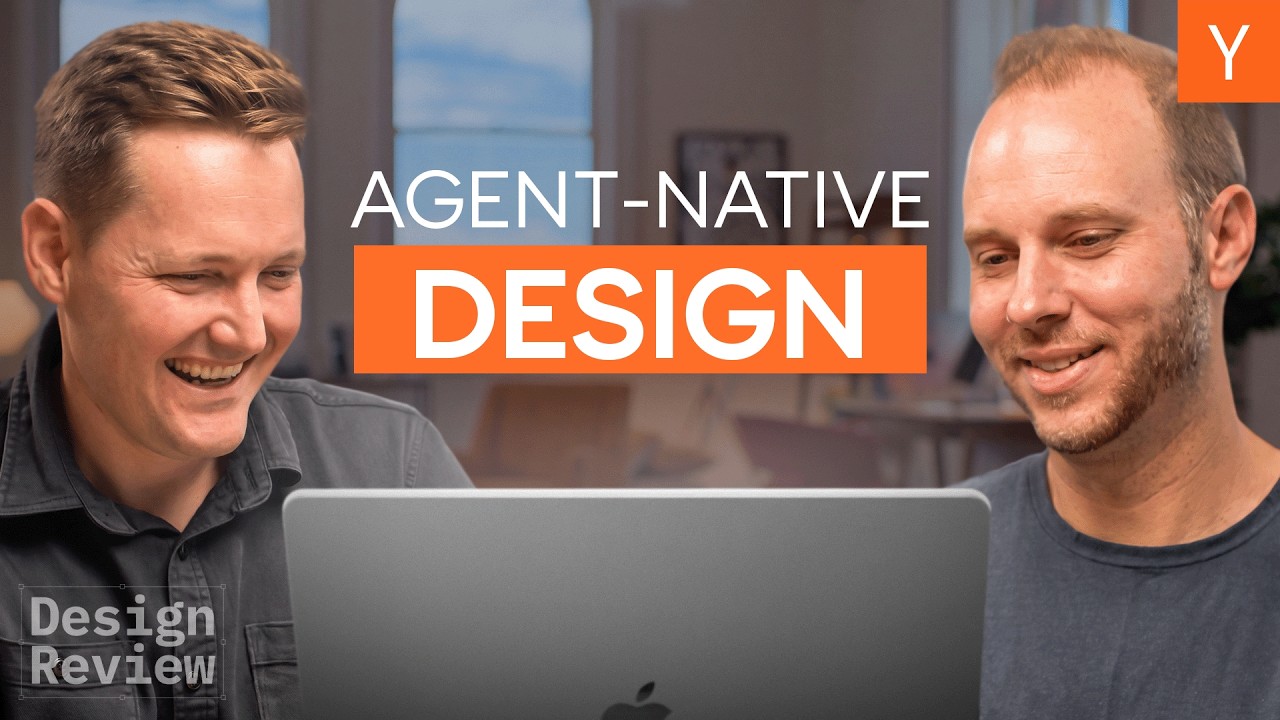
Steven Haney, founder and CEO of Paper, joined Y Combinator partner Aaron Epstein to discuss the company's vision and product. Haney emphasized that while AI agents can significantly speed up workflows by handling tasks like translation or resizing, Paper believes in the enduring importance of the human element in design. The goal is to create a tool that lets humans and agents work together seamlessly at a rapid pace.

The full discussion can be found on YC's YouTube channel.

How To Design In The Agent Era - YC
How To Design In The Agent Era, from YC

Haney explained that Paper's core innovation lies in its use of HTML and CSS as its rendering engine. "Historically, a lot of design tools have custom rendering engines, and those are a lot harder for agents to use," he noted. "You'll see higher token spend, slower times, lower accuracy." By contrast, Paper's approach means that agents, which are well-trained on HTML and CSS, can interact with Paper files directly, leading to greater efficiency and accuracy.

From Solo Project to Design Powerhouse

Haney shared that Paper began as a solo founder's side project, born out of a deep love for building tools for creative professionals. "It was the thing I was going to do anyway," he said, highlighting the concept of founder-market fit. The product gained traction as users recognized its potential to address the challenges of modern design workflows, especially with the rise of AI.

The company, now a team of 12 designers and engineers, is focused on building the best design tool for the next era. Haney pointed out that while many companies use tools like Figma for product design, Paper aims to cater to both product and brand design needs, with a particular focus on making advanced visual effects, like shaders and AI loading states, more accessible to designers.

Innovative Features and Future-Proofing

During the discussion, Haney showcased Paper's capabilities, including its library of animated shaders. These WebGL animations can be customized and applied to designs, offering brand designers a new way to create visually engaging content. He also highlighted Paper's image generation library, which can utilize multiple AI models simultaneously to quickly explore creative possibilities.

A key aspect of Paper's design is its seamless integration with developer workflows. By using HTML and CSS as the rendering engine, Paper facilitates a smoother designer-developer handoff. "It turns out if you build a great handoff for humans, you've also built a great handoff for agents," Haney stated. This allows for direct manipulation and visual interaction with agents, overcoming the limitations of purely prompt-based communication.

The Future of Design and AI Collaboration

Haney also touched upon the importance of exceptional design as a differentiator for great companies. He noted that the current software landscape often sees rapid creation but not necessarily improved user experiences. Paper aims to address this by providing designers with tools that can match the speed of AI prompting while maintaining a high standard of quality and intentionality.

The conversation also delved into the concept of the "agent stack," where tools like Cursor, Cloud Code, and Paper work together to create a more integrated workflow. Haney emphasized that Paper is not just a design tool but also a visual interface for agents, making it easier for various professionals, including sales and engineering teams, to interact with AI.

The discussion concluded with a look at how Paper is helping teams maintain design consistency and efficiency in the age of AI, underscoring the value of tools that bridge the gap between human creativity and artificial intelligence.

© 2026 StartupHub.ai. All rights reserved. Do not enter, scrape, copy, reproduce, or republish this article in whole or in part. Use as input to AI training, fine-tuning, retrieval-augmented generation, or any machine-learning system is prohibited without written license. Substantially-similar derivative works will be pursued to the fullest extent of applicable copyright, database, and computer-misuse laws. See our terms.