

Palo Alto Networks Accelerates with GPT-5.5

Palo Alto Networks discusses how GPT-5.5 accelerates cybersecurity analysis with improved token efficiency and faster reporting.

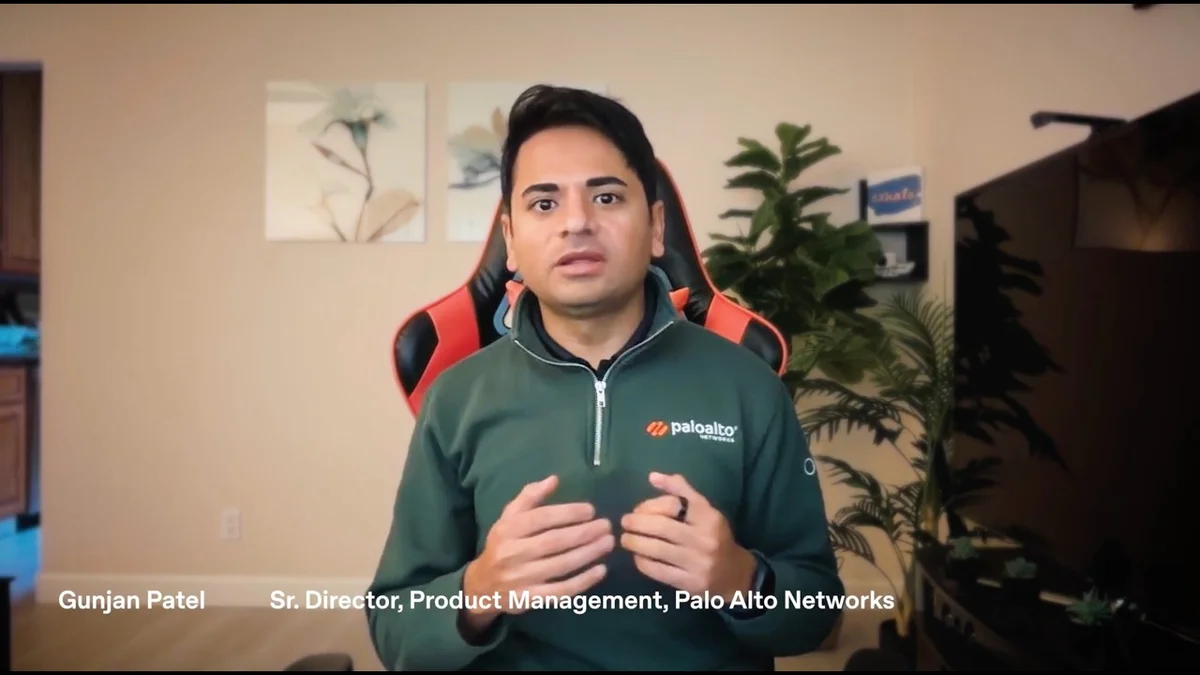
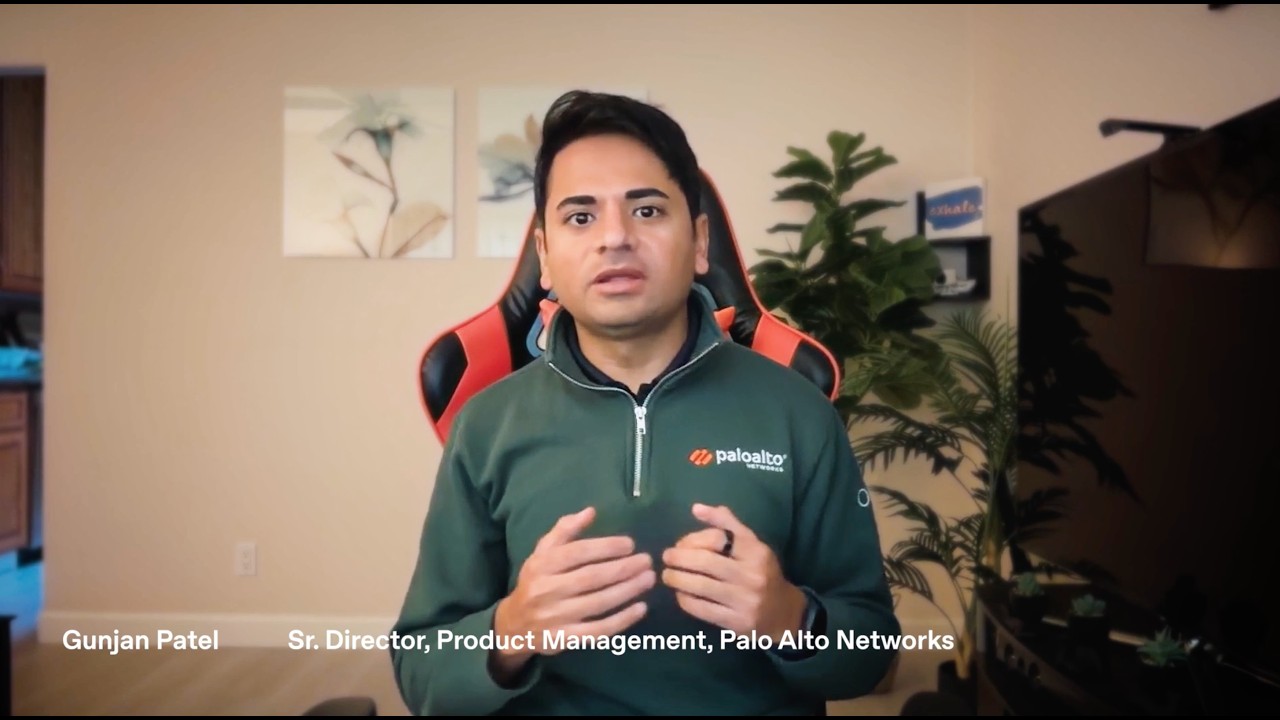
Gunjan Patel, Sr. Director, Product Management at Palo Alto Networks, speaking.
OpenAI Youtube
Visual TL;DR
OpenAI ModelsCore
latest large language models applied to real-world cybersecurity challenges
From the article 8 mentionsThe advancements discussed, such as increased token efficiency and parallel processing, are direct benefits derived from the sophisticated architecture and training of OpenAI's GPT models.
Palo Alto NetworksCore
leader in cybersecurity making significant strides
From the article 4 mentionsPalo Alto Networks' adoption of GPT-5.5 demonstrates a strategic move to integrate cutting-edge AI into its core product offerings.
Cybersecurity ChallengesDriver
tackling complex, open-ended problems more effectively and efficiently
From the article 7 mentionsThe focus is on how the latest large language models from OpenAI are being applied to real-world cybersecurity challenges.
GPT-5.5 IntegrationCore
model's ability to consider multiple angles and use tools in parallel
From the article 9 mentionsPalo Alto Networks, a leader in cybersecurity, is making significant strides in accelerating its operations by integrating GPT-5.5.
Enhanced WorkflowsEffect
teams move faster and achieve better results in analysis and reporting
From the article 2 mentionsDirector of Product Management at Palo Alto Networks, explains the impact of GPT-5.5 on their workflows.
Token EfficiencyContext
improved token efficiency and faster reporting capabilities
From the article 4 mentionsThe advancements discussed, such as increased token efficiency and parallel processing, are direct benefits derived from the sophisticated architecture and training of OpenAI's GPT models.
Accelerated AnalysisOutcome
significant strides in accelerating cybersecurity analysis
From the article 2 mentionsThis allows their teams to move faster and achieve better results in their analysis and reporting processes.
Contents(4)

Palo Alto Networks, a leader in cybersecurity, is making significant strides in accelerating its operations by integrating GPT-5.5. This advancement allows the company to tackle complex, open-ended problems more effectively and efficiently. The focus is on how the latest large language models from OpenAI are being applied to real-world cybersecurity challenges.

Gunjan Patel on GPT-5.5 Integration

Gunjan Patel, Sr. Director of Product Management at Palo Alto Networks, explains the impact of GPT-5.5 on their workflows. He emphasizes that the model's ability to consider multiple angles and use tools in parallel without losing context is a major leap forward. This allows their teams to move faster and achieve better results in their analysis and reporting processes.

The full discussion can be found on OpenAI Youtube's YouTube channel.

Palo Alto Networks Moves Faster with GPT-5.5 - OpenAI Youtube
Palo Alto Networks Moves Faster with GPT-5.5, from OpenAI Youtube

Enhanced Cybersecurity Workflows

The video highlights two key areas where GPT-5.5 is making a difference. The first is in general problem-solving, where the model's broad understanding and parallel tool usage contribute to greater efficiency. The second, more specific application, is in cybersecurity vulnerability reporting workflows. Patel states, "It cuts down the time from analysis to deliverable." This implies a significant reduction in the manual effort and time previously required to analyze threats and produce actionable reports.

Performance Benchmarks: Token Usage and Turn Count

The presentation includes data comparing GPT-4 Cyber and GPT-5.5 Cyber. One graph illustrates "Cumulative solved challenge vs. total token usage." This chart suggests that GPT-5.5 achieves a comparable level of solved challenges with more efficient token usage compared to GPT-4. Another graph shows "Cumulative solved challenge vs. total turn count." This metric indicates that GPT-5.5 can resolve cybersecurity challenges in fewer turns, meaning it requires less back-and-forth interaction to reach a solution. The data suggests that GPT-5.5 is better at finding the needle in the haystack for security vulnerabilities.

Patel further elaborates on the efficiency gains, noting that GPT-5.5's ability to process information and deliver insights rapidly is crucial in the fast-paced cybersecurity domain. The model's improved understanding and execution capabilities mean that security analysts can receive detailed and actionable information more quickly, enabling faster threat response and mitigation.

The Role of OpenAI Models

The video implicitly acknowledges the foundational role of Nvidia's hardware in powering these advanced AI models and the significant contributions of Microsoft in their development and deployment. The visual inclusion of the OpenAI logo signifies the direct use of their technology. The advancements discussed, such as increased token efficiency and parallel processing, are direct benefits derived from the sophisticated architecture and training of OpenAI's GPT models.

Palo Alto Networks' adoption of GPT-5.5 demonstrates a strategic move to integrate cutting-edge AI into its core product offerings. This not only enhances the company's internal capabilities but also promises to deliver more advanced and efficient security solutions to its customers. The ability to process complex data, identify vulnerabilities with greater speed, and reduce analysis-to-deliverable times positions Palo Alto Networks at the forefront of AI-driven cybersecurity.

© 2026 StartupHub.ai. All rights reserved. You may not republish this article in full without a license. Search engines and AI research tools may crawl and summarize for reference. Bulk reproduction or model training requires a license. See our terms.
Daniel Singer

Written by

Daniel Singer

Editor, StartupHub.ai

Daniel Singer is the editor of StartupHub.ai, a technology expert and thought leader on AI and its applications across sectors, from fintech and healthcare to developer tooling and consumer software. He writes and tests the tools covered here thoroughly and regularly, and built StartupHub.ai to give founders, operators and buyers a clearer read on what they are actually being sold.