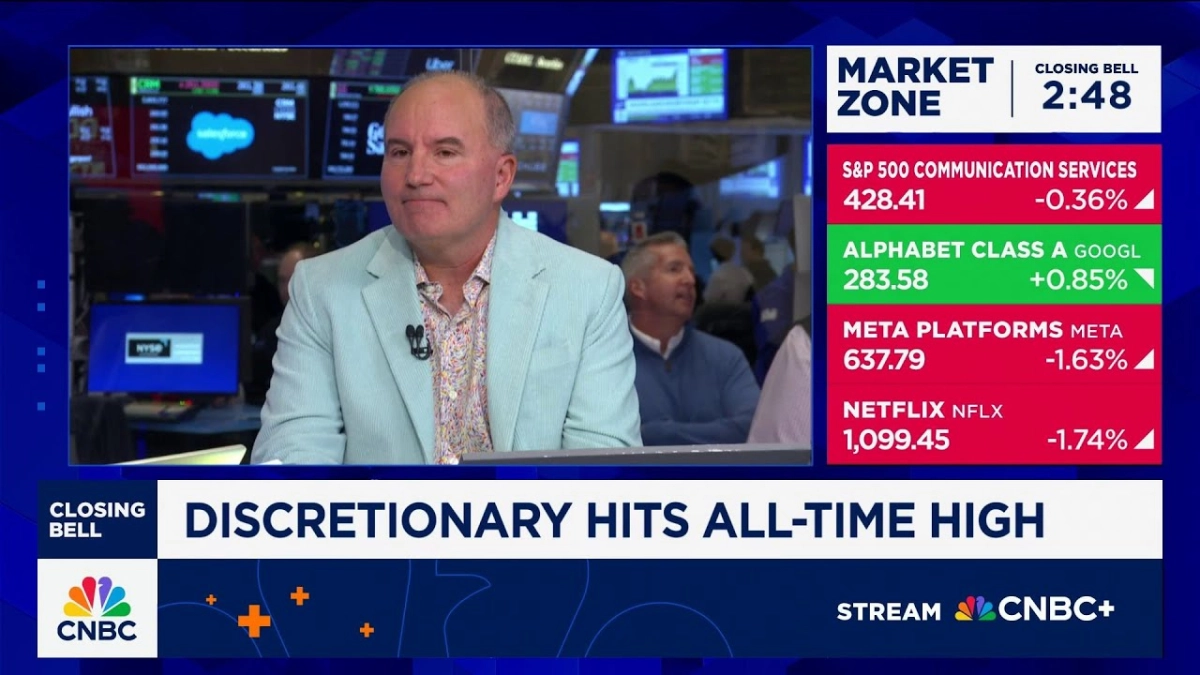
Wedbush's Global Head of Technology Research, Dan Ives, joined CNBC's "Closing Bell" with Scott Wapner and Michael Santoli to dissect Palantir Technologies' market position and future trajectory, particularly in the lead-up to its earnings report. The discussion centered on Palantir's robust AI capabilities, its ambitious valuation, and the critical role of its commercial growth in fulfilling market expectations. Ives emphatically declared Palantir the "gold standard when it comes to AI use cases," asserting its involvement in 70 to 80 percent of all AI implementations. This bold claim underpins his conviction that the company is poised for a significant market capitalization expansion, driven by its burgeoning commercial segment.
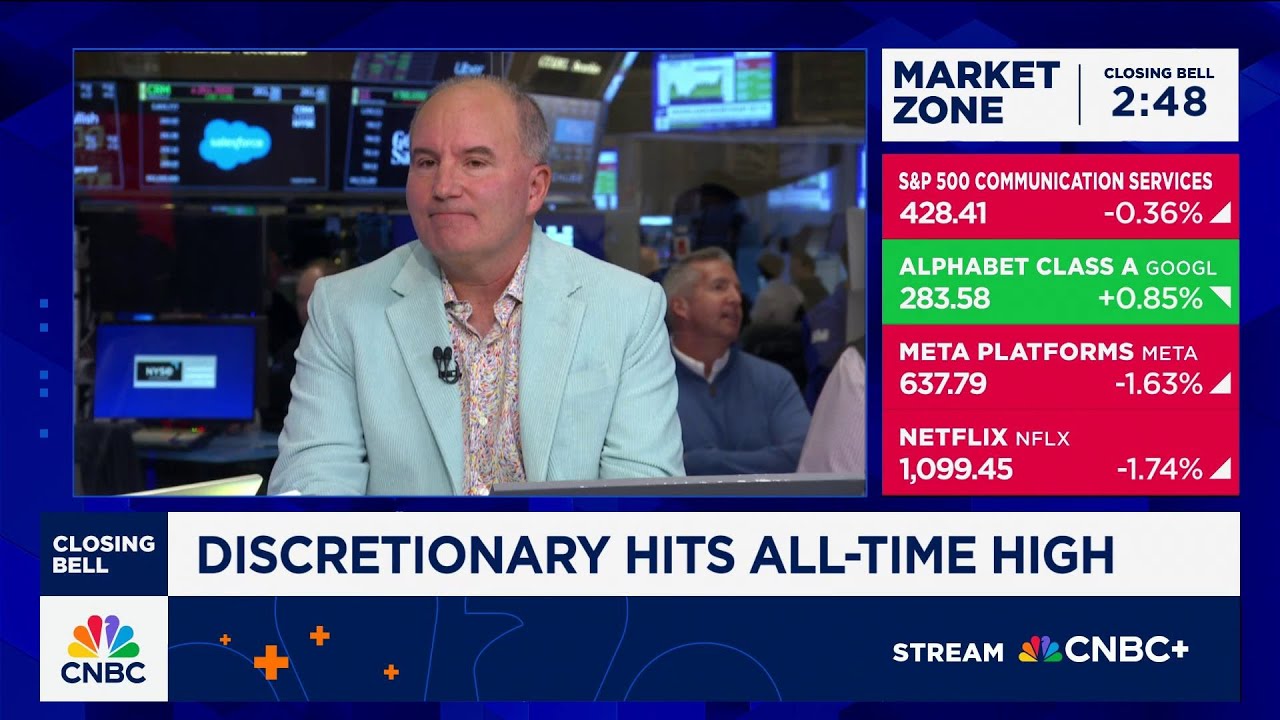
The conversation immediately highlighted the substantial expectations surrounding Palantir, given its already elevated valuation and a stock performance that saw it up over 170% year-to-date. Wapner pressed Ives on the necessary growth rates to justify such a valuation, questioning whether the superlatives surrounding Palantir matched the fundamental metrics. Ives confidently pivoted to the US commercial business as the primary catalyst. He projected this segment, currently accounting for 45% of revenue, to become a "one, two billion dollar business" and an "80, 90, ultimately 100% grower," arguing that it represents "80 to 90% of the valuation." This commercial expansion is crucial, as it signals a strategic shift away from an over-reliance on government contracts, a traditional strength that has often drawn scrutiny.
A core insight from Ives is Palantir’s unique position as a disruptor in the software landscape. He contends that the company is fundamentally changing how businesses leverage data and AI, moving beyond mere technological provision to embedded operational transformation. This disruption, he notes, is occurring "with essentially no direct sales force," a testament to the organic demand and efficacy of Palantir's AI Platform (AIP). The commercial segment's growth, therefore, is not merely incremental but indicative of a deeper, systemic shift in enterprise adoption of advanced AI solutions.
The discussion also touched upon the intriguing dynamic between retail and institutional investors concerning Palantir. Michael Santoli observed the "retail loved, almost culty angle to this stock," noting the striking similarity between Palantir and Robinhood's early stock charts, which suggests a "self-generating enthusiasm." Ives concurred, stating that "retail has been well ahead of institution" in recognizing Palantir’s potential. He recounted how institutional investors initially "hated this name, hated it, despised it," but are now increasingly warming up to it. This shift in institutional perception is vital for sustaining long-term growth and stability, moving beyond meme stock narratives to a more fundamental appreciation of its technological prowess and market opportunity.
Related Reading
- Moody's Analytics' Mark Zandi: Biggest risk to economy is correction in stocks focused on AI
- Wall Street's AI Reckoning: Monetization Separates Hyperscaler Winners from Losers
- Amazon's AI Vision Captivates Investors Amidst Hyperscaler Spending Spree
Ives’s audacious prediction of Palantir achieving a "trillion-dollar market cap over the next 2-3 years" is rooted in the immense scale of the AI revolution. He foresees a $3 trillion spend in AI, with 30-40% allocated to software use cases, positioning Palantir as a "core piece" of this expansive market. This vision underscores the company's ambition to capture a significant share of the rapidly expanding AI market, not just through its foundational platforms like Foundry and Gotham but particularly through its latest iteration, AIP. The ability to integrate and operationalize AI across diverse enterprise functions, from supply chain optimization to advanced analytics, is what Ives believes will drive this monumental growth.