


"Outlier talent will always be outlier talent," declared Alex Pall, half of the Grammy-winning duo The Chainsmokers and co-founder of Mantis VC, an observation that cuts directly to the heart of creativity in an age increasingly shaped by artificial intelligence. This potent statement, emerging during a wide-ranging conversation with Jack Altman on the *Uncapped* podcast, underscored a central theme: the enduring, often unpredictable, power of human ingenuity, whether composing chart-topping hits or identifying the next unicorn startup.
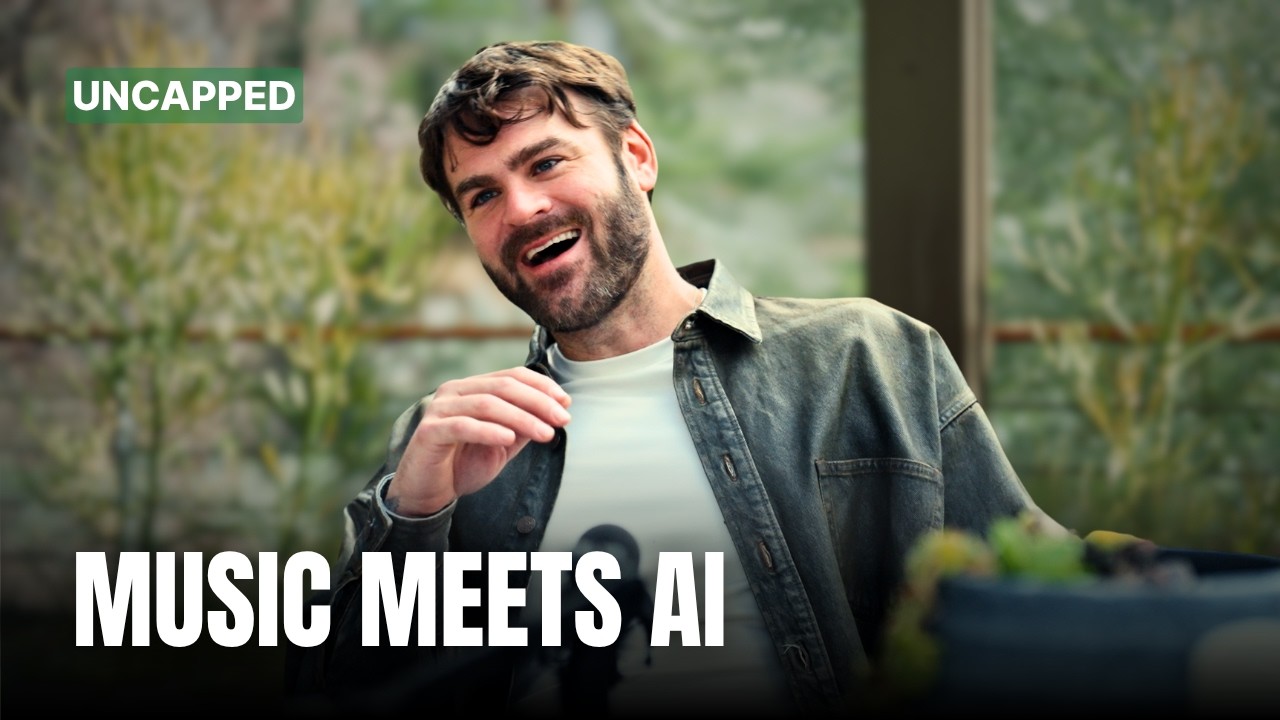
Alex Pall, wearing the dual hats of a celebrated musician and a shrewd venture capitalist, sat down with Jack Altman to dissect the intricate dance between artistic creation and business acumen. Their discussion, set against a backdrop of sun-drenched greenery, traversed the creative origins of The Chainsmokers' biggest songs, the nuanced world of venture investing, and the broader impact of technology, particularly AI, on the music industry. Pall’s insights offered a unique perspective for founders, investors, and tech professionals, illustrating how the same principles of vision, resilience, and adaptability underpin success across seemingly disparate fields.
The essence of true creativity, Pall contended, lies in its inherently non-formulaic nature. Reflecting on the genesis of hit songs, he highlighted that there’s no single blueprint for success. "The creative process is not ever formulaic. The songs never start in the same place or the same way," he explained, dismantling the notion that artistic masterpieces can be reverse-engineered. This sentiment resonates deeply within the startup ecosystem, where breakthrough innovations rarely emerge from predictable paths, instead often being the result of serendipity, persistent experimentation, and a willingness to embrace the unexpected.
Pall drew intriguing parallels between his music career and his venture capital endeavors, particularly in his approach to identifying and nurturing talent. He shared an anecdote about Jimmy Buffett, who, towards the end of his life, was building retirement communities for his fans. Buffett’s philosophy was simple: "I'm always serving my fans and always thinking about businesses that are extensions of who I am." This dedication to one's core audience and personal brand, Pall noted, is a transferable skill. It’s about building an authentic ecosystem around a central vision, whether that's a musical persona or a tech product.
The journey of creation is rarely a smooth one; it's often fraught with false starts and moments of self-doubt. Pall recounted the arduous, almost frustrating, process of collaborating with Chris Martin of Coldplay on "Something Just Like This." Martin, with his almost mystical approach to songwriting, would declare melodies were "sent down like from above." Initially skeptical, Pall and his partner Drew eventually came to understand the profound truth in this artistic surrender. The magic often reveals itself not through brute force, but by creating an environment where inspiration can strike, and then having the discipline to capture and refine it.